


 Food & Culture
Food & Culture
Kristang Cuisine in Malaysia: History, Dishes & Flavors
Explore Kristang cuisine, a vibrant fusion of Portuguese, Malay, Indian, and local influences born in Melaka. From devil's curry to sambal delights, learn its history, key dishes, and where to savor it today.
 Food & Culture
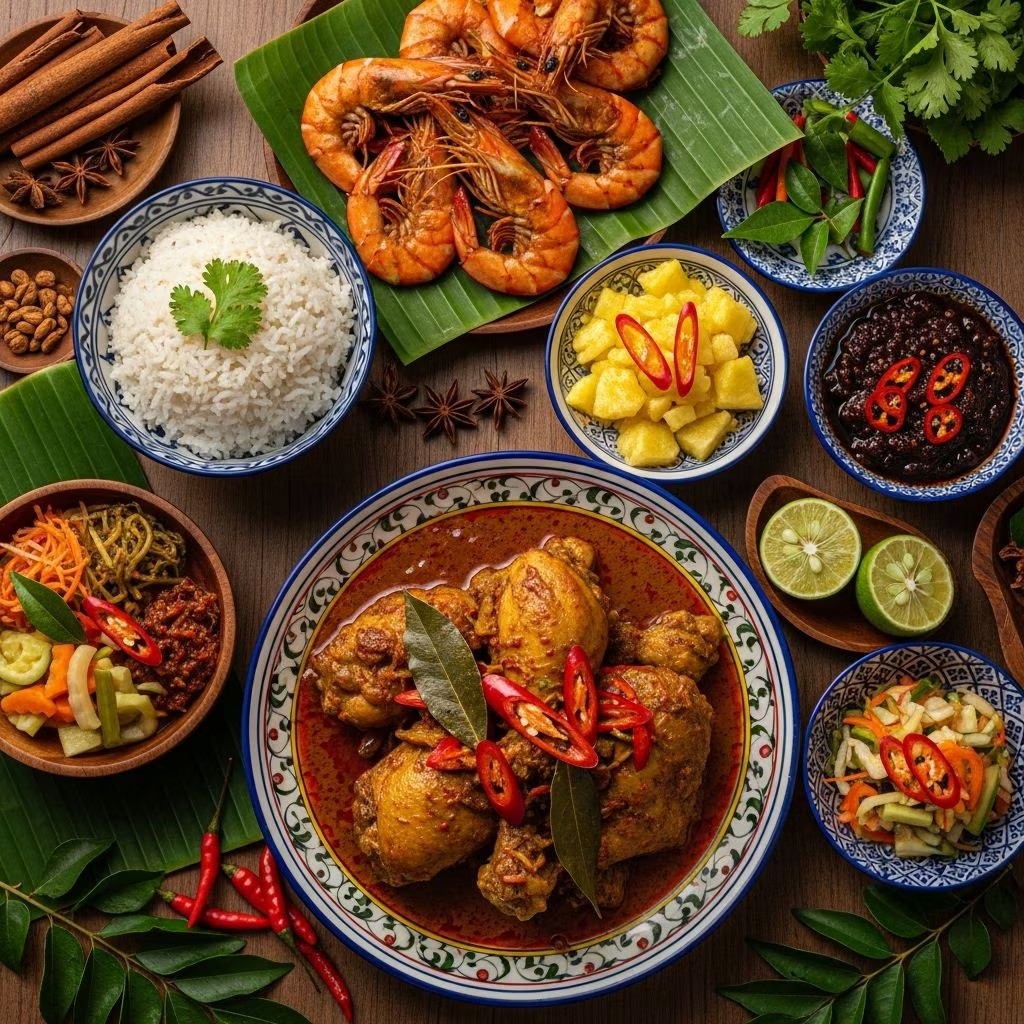
Kristang cuisine represents a unique culinary tradition in Malaysia, blending Portuguese colonial influences with local Malay, Indian, and Chinese elements to create dishes bursting with tangy, spicy, and umami-packed flavors. Rooted in the historic port city of Melaka, this food culture has endured for centuries, preserved by a small community of Portuguese-Eurasian descendants known as the Kristang.
The Origins of a Flavorful Fusion
The story of Kristang cuisine begins in 1511 when Portuguese forces arrived in Melaka, transforming the bustling trade hub into a colonial outpost. These settlers intermarried with local Malay women, giving rise to the Kristang people—a term derived from “Cristang,” meaning Christian in their Creole language. Over 130 years of rule, followed by Dutch and British eras, the community maintained their distinct identity through food, language, and customs.
Fishing formed the backbone of Kristang life, with men venturing into the Straits of Malacca to catch fresh seafood. Women crafted meals from these hauls, incorporating European staples like vinegar and mustard seeds alongside Asian spices such as galangal, turmeric, and chilies. This necessity-driven cooking evolved into a repertoire of bold, acidic profiles that set it apart from sweeter Malay or creamy Peranakan curries.
Today, fewer than 5,000 Kristang remain in Malaysia, mostly in Melaka’s Portuguese Settlement. Yet, their cuisine thrives in home kitchens and select eateries, passed down orally through generations, ensuring no two family recipes are identical.
Signature Ingredients That Define the Taste
Kristang dishes stand out for their liberal use of vinegar for tanginess, mustard seeds for sharpness, and fermented shrimp paste (belacan) for deep umami. Candlenuts thicken gravies, while galangal and ginger add aromatic heat. Unlike milder Malaysian fare, these elements create a piquant, less sweet experience.
- Belacan: Fermented shrimp paste, toasted and pounded into sambals for fishy intensity.
- Vinegar: Portuguese legacy, used in curries and sauces for acidity.
- Mustard Seeds: Ground for earthy bite in devil curry.
- Tamarind: Sour pulp that balances richness in pork and fish preparations.
- Chilies and Spices: Turmeric, galangal, and shallots for vibrant color and fire.
Pickled items like mangoes, vegetables, and salted fish provide sharp contrasts in side dishes, enhancing the meal’s complexity.
Iconic Dishes to Savor
Kristang cuisine shines in its holiday specialties and everyday comforts. Here’s a breakdown of must-try dishes:
| Dish | Main Ingredients | Flavor Profile | Occasion |
|---|---|---|---|
| Devil Curry (Kari Debal) | Chicken or pork, mustard seeds, vinegar, chilies, galangal | Fiery, tangy, aromatic | Christmas, weddings |
| Porku Tambrinyu | Pork, tamarind, spices | Sour, tender, comforting | Family meals |
| Sambal Belacan Fish | Fresh fish, shrimp paste, chilies, banana leaves | Umami, spicy, steamed | Daily seafood |
| Sambal Binagre Mackerel | Spanish mackerel, vinegar sambal, sweetness | Piquant, sweet-tangy | Fried steaks |
| Pork Sebak | Pork, chilies, raisins, vinegar, sugar | Sweet-spicy, addictive | Home dinners |
| Soy Limang Terung | Eggplant, soy sauce, lime | Silky, savory | Side dish |
Devil curry, the undisputed star, gets its name from its hellish heat, layering Portuguese, Indian, and Malay spices for a complex stew often served at festive gatherings.
Culinary Traditions and Community Life
Food in Kristang culture is inseparable from music, dance, and faith. Christmas feasts feature devil curry alongside sailor ballads and Portuguese attire. Game nights and weddings overflow with stuffed pickles, desserts, and generous proteins reflecting Chinese and Malay inspirations.
Recipes remain guarded family secrets, adapted from oral lore rather than written texts. This preserves authenticity but challenges wider dissemination. Chefs like Melba Nunis highlight pork tambrinyu as evoking home, underscoring cuisine’s emotional core.
Where to Experience Kristang Flavors Today
Melaka remains the epicenter, with home-based operations offering the most genuine tastes. On Praya Lane, Martin Theseira serves family-style meals in a historic wooden house—think baked snapper in chili-candlenut sauce or eggplant in soy-lime. Reservations via Facebook are essential.
Other spots in Melaka’s Portuguese Settlement provide devil curry and sambals. Singapore and Kuala Lumpur host pop-ups, but authenticity peaks in Melaka.
- Praya Lane home dinners: Intimate, variable menus.
- Portuguese Settlement eateries: Festive atmospheres with music.
- Hotels like The Majestic Malacca: Modern twists by Kristang staff.
The Future of Kristang Culinary Heritage
As the community shrinks, efforts to document and share recipes gain urgency. Festivals, cooking classes, and media spotlight younger generations adapting traditions without dilution. This cuisine’s resilience mirrors the Kristang spirit—vibrant, fused, enduring.
FAQs
What makes Kristang cuisine unique?
It fuses Portuguese vinegar and mustard with Malay-Indian spices, yielding tangy, spicy dishes unlike sweeter Malaysian curries.
Is devil curry really that spicy?
Yes, its heat from chilies and mustard earns the ‘devil’ moniker, but layers of flavors balance the fire.
Can vegetarians enjoy Kristang food?
Options like soy limang terung exist, though meat and fish dominate; adaptations are common.
Where’s the best place for Kristang meals?
Melaka’s Praya Lane and Portuguese Settlement for authentic home cooking.
How old is Kristang cuisine?
Over 500 years, from 1511 Portuguese arrival in Melaka.
References
- For Malaysia’s Kristang Population, the Devil’s in the Curry — Whetstone Magazine. 2023-10-15. https://www.whetstonemagazine.com/journal/for-malaysias-kristang-population-the-devils-in-the-curry
- Malacca: Treasures from a Kristang Kitchen — Notes Plus Ultra. 2018-05-24. https://notesplusultra.com/2018/05/24/malacca-treasures-from-a-kristang-kitchen/
- Everything you need to know about Malaysia’s Kristang cuisine — Lonely Planet. 2023-01-01. https://www.lonelyplanet.com/articles/malaysia-kristang-cuisine
- Kristang Cuisine and Kristang Legacy — Steemit. 2017-12-01. https://steemit.com/blog/@wnfdiary/kristang-cuisine-and-kristang-legacy
- Notes on Kristang cuisine with chef Melba Nunis — Tatler Asia. 2022-11-10. https://www.tatlerasia.com/dining/food/kristang-cuisine-chef-melba-nunis
← Previous
Best Things to Do in Beijing: Top Sights, Food & Travel Tips
Next →
Best Time to Visit Boston: Season-by-Season Guide
Related Reading
More in Food & Culture
Food & Culture Food & Culture
 Food & Culture
Best Places to Eat in Rome: Neighborhood Dining Guide
 Food & Culture
 Food & Culture