

 Travel Essentials
 Travel Essentials

Discover Kumamoto's blend of history, arts, and nature: iconic castles, traditional crafts, performing arts, local foods, and immersive experiences await.
 Travel Essentials
Kumamoto City, nestled in west-central Kyushu, stands as a vibrant hub where ancient samurai legacies intertwine with modern life. This former castle town offers visitors an authentic dive into Japan’s feudal past through its imposing fortifications, artisanal crafts, dynamic festivals, and farm-fresh cuisine. Surrounded by natural wonders like the active Mt. Aso volcano, Kumamoto provides endless opportunities to engage with traditions that have endured for centuries.
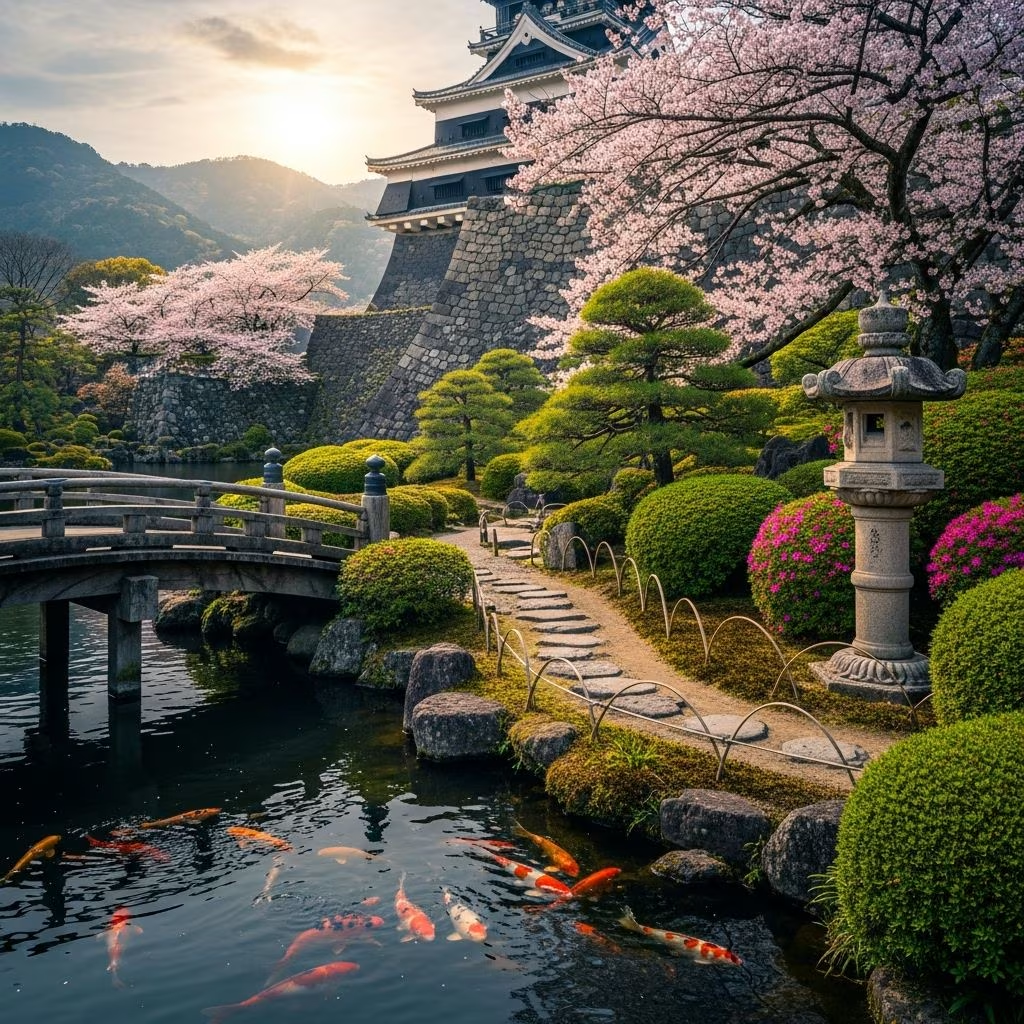
At the core of Kumamoto’s allure is its legendary castle, a masterpiece of defensive architecture constructed over 400 years ago. Built by feudal lord Kato Kiyomasa, the structure features towering stone walls reaching up to 20 meters and over 120 wells designed for prolonged sieges, ensuring its impregnability. The castle endured pivotal conflicts, including the 1877 Satsuma Rebellion, symbolizing resilience amid historical turmoil.
Restored and reopened in 2021, the main keep now houses a museum detailing its evolution, from construction to earthquakes that tested its foundations. Visitors can wander the grounds, imagining the era when warriors patrolled these battlements. Beyond the castle, the surrounding Shimotemachi and Kamimachi districts preserve Edo-period streetscapes, blending shopping arcades with historic edifices that evoke daily life in a bustling castle town.
Kumamoto’s warrior heritage shines through connections to legendary figures like Miyamoto Musashi, Japan’s renowned swordsman. In the 17th century, Musashi trained castle guards here before retreating to meditate in nearby caves. Today, facilities like those in the Aso Caldera honor his teachings with hands-on sessions in kendo, judo, and even tea ceremonies, fostering discipline and mindfulness.
Kumamoto excels in traditional handicrafts, many designated as national treasures. Higo-Zogan, a metal inlay technique, adorns knives and tools with intricate gold and silver designs, originating from samurai sword fittings. Workshops in preserved towns like Kawashiri invite guests to craft their own pieces, connecting to Edo-era artisans.
Other highlights include Higo Temari embroidered thread balls, symbols of good fortune, and Obake no Kinta puppets, lively figures from folk performances. These crafts thrive in dedicated experience centers, allowing tactile immersion in techniques honed over centuries.
| Craft | Origin | Experience Offered |
|---|---|---|
| Higo-Zogan Inlay | Samurai metalwork | Knife decoration workshops |
| Higo Temari Balls | Edo folk art | Thread wrapping sessions |
| Kawashiri Blades | Historic smithing | Blade polishing classes |
Annual events pulse with Kumamoto’s spirited traditions. The September Fujisaki Hachimangu Autumn Festival culminates in a grand parade of over 10,000 zuihyo soldiers on decorated horses, reenacting processions led by Kato Kiyomasa. Music, shouts, and elaborate costumes fill the streets, drawing crowds to the castle area.
Performing arts flourish too: Higo-Koryu tea ceremony follows Sen no Rikyu’s minimalist principles, while Higo Rokka flower arranging reflects samurai aesthetics. Noh theater, a UNESCO treasure, graces stages in historic gardens, its masked dramas captivating audiences with haunting narratives.
Suizenji Jojuen Garden, a 17th-century marvel, miniaturizes Japan’s iconic landscapes around a central pond. Modeled after the 53 Stations of the Tokaido, it includes shrines, a Noh stage, and yabusame horseback archery grounds. Visitors sip matcha in thatched teahouses, nibbling wagashi sweets amid koi-filled waters, evoking lordly repose.
These spaces promote tranquility, with paths winding past manicured pines and miniature Mt. Fuji replicas, ideal for contemplation after urban explorations.
Kumamoto’s cuisine stems from mineral-rich soils yielding top-tier produce: watermelons, melons, eggplants, and tangerines lead national output. Farm-to-table ethos defines dining, with restaurants showcasing hyper-local ingredients.
Signature dishes include:
Sake tastings at breweries like Zuiyo reveal nuanced flavors from pure groundwater. Pair with wagashi-making sessions using anko bean paste for a sweet finale.
Kumamoto prioritizes participation. Guided tours blend archery, tea lessons, and brewery visits, often with English support. Fruit-picking at orchards offers seasonal joys, while calligraphy workshops in tatami rooms let creativity flow with brush and ink.
Calligraphy sessions mimic local routines, inscribing kanji amid serene Japanese rooms. Heritage breweries teach sake production, from rice polishing to fermentation secrets.
Kumamoto’s position near Mt. Aso enriches cultural pursuits. Caldera retreats host Musashi-inspired training amid volcanic vistas, merging physical arts with dramatic scenery. Daily life integrates the castle’s silhouette, a perpetual reminder of heritage.
Autumn, especially September, hosts the grand Fujisaki parade; spring brings hanami parties.
Yes, kyudo and kendo sessions welcome novices with patient instructors.
The keep reopened in 2021 with exhibits; grounds are always open.
Basashi horsemeat, karashi renkon, and local ramen highlight regional flavors.
Many tours, including archery and sake tastings, offer certified English-speaking leaders.
