


 Food & Culture
Food & Culture
Kyoto Food Guide: Kaiseki, Tofu, Nishiki Market & Wagashi
Explore Kyoto's rich food heritage with guides to kaiseki, shojin ryori, tofu delights, street eats at Nishiki Market, traditional sweets, noodles, and local drinks.
 Food & Culture
Kyoto stands as a beacon of Japan’s gastronomic heritage, where centuries-old techniques blend with seasonal ingredients to create dishes that delight the senses. This ancient capital offers a spectrum of flavors, from intricate multi-course banquets to humble street snacks, all rooted in local traditions and Buddhist influences. Visitors can immerse themselves in tofu masterpieces, vegan temple fare, bustling market stalls, and delicate confections paired with matcha.
Elegant Multi-Course Feasts: Kaiseki Mastery
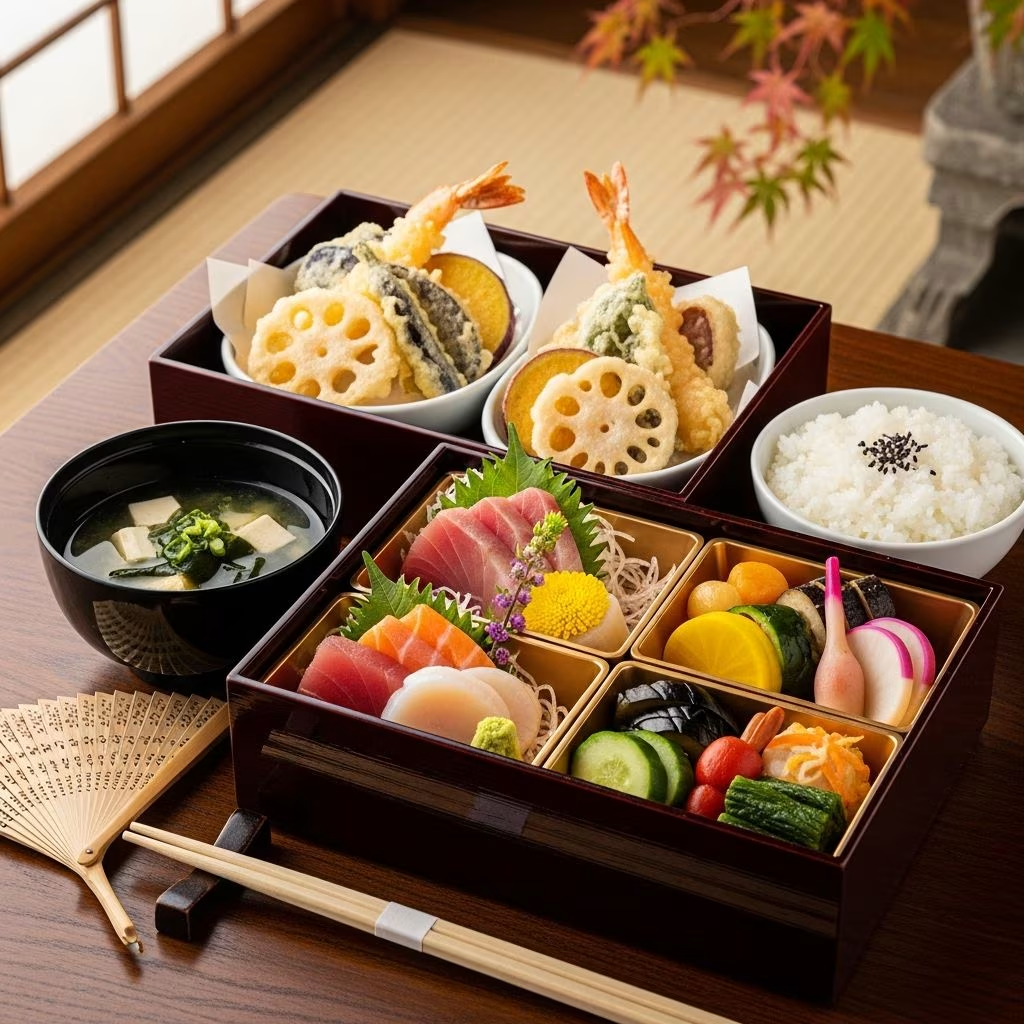
At the pinnacle of Kyoto’s dining scene sits **kaiseki**, a refined art form of multi-course meals that evolved from tea ceremony rituals. Each dish showcases the chef’s skill in balancing textures, colors, and flavors, often featuring seasonal produce like fresh river fish, mountain vegetables, and edible flowers. These meals emphasize harmony with nature, served in serene settings that enhance the experience.
Renowned establishments like Hyōtei, with over 400 years of history, offer atmospheric dining amid historic gardens. Here, expect meticulously plated courses starting from around US$250 for dinner, earning Michelin recognition for their precision. For a more accessible yet innovative take, Roan Kikunoi in Gion provides kaiseki from US$130, blending tradition with contemporary twists amid geisha district vibes. Kyoto Kitcho Arashiyama combines these feasts with stunning garden views, making it ideal for special occasions.
- Key elements of kaiseki: Appetizers (sakizuke), soup (suimono), sashimi, grilled items (yakimono), steamed dishes, rice, and pickled vegetables.
- Portions are small to allow savoring each bite.
- Pair with local sake or shochu for authenticity.
Buddhist-Inspired Vegan Elegance: Shojin Ryori
For those seeking plant-based refinement, **shojin ryori** delivers Buddhist vegetarian cuisine that’s as visually stunning as kaiseki but free of animal products. Originating from Zen temple practices, it prioritizes fresh, seasonal vegetables, tofu, seaweed, and wild greens arranged in artistic displays. This fare promotes mindfulness, with every element symbolizing impermanence and gratitude.
Temple settings provide the perfect backdrop. Shigetsu at Tenryū-ji in Arashiyama offers set menus from US$30 to US$70, surrounded by zen gardens that inspire tranquility. Modern spots like Choice craft vegan cheese in-house for dishes under US$15, while Ain Soph Journey impresses with plant-based curry, paella, burgers, and fluffy pancakes. These options cater to diverse palates without compromising Kyoto’s essence.
| Venue | Location | Price Range (US$) | Highlights |
|---|---|---|---|
| Shigetsu | Arashiyama | 30-70 | Temple ambiance, seasonal veggies |
| Choice | Central Kyoto | Under 15/dish | House-made vegan cheese |
| Ain Soph Journey | City center | Under 15/dish | Global vegan fusion |
Tofu: The Silky Soul of Kyoto Cuisine
Kyoto’s pure waters from the mountains produce some of Japan’s finest **tofu**, a staple transformed into myriad forms. From creamy fresh blocks to innovative sweets, tofu embodies the city’s minimalist philosophy—simple ingredients yielding profound taste.
Yudofu, simmered tofu in clear broth, shines at places like Yodofu Sagano in Arashiyama or Junsei Shoin near Nanzen-ji. Dip in ponzu sauce to elevate its subtle soy notes; courses range US$25-40, including yuba (tofu skin). Izakayas grill agedofu for a crispy exterior with cold beer. Street vendors at Saga Tofu Ine sell tofu doughnuts and ice cream for US$2.50, proving versatility.
- Yudofu: Buddhist gentle simmer, light and warming.
- Yuba: Delicate skin skimmed from soy milk.
- Agedofu: Deep-fried pockets, pub favorite.
Nishiki Market: Kyoto’s Vibrant Food Heart
Known as “Kyoto’s Kitchen,” **Nishiki Market** buzzes with over 100 stalls along a narrow arcade north of Shijō-dōri. This sensory overload features seafood, pickles, tea, sake, and ready-to-eat delights like yakitori skewers and pounded mochi. Arrive early (opens 9am) for fresh samples and fried tamagoyaki omelets.
It’s perfect for grazing: try gyoza with yuzu soy, karaage chicken, or yatsuhashi sweets near temples. Vendors offer tofu treats and seasonal pickles, making it ideal for picnics amid Kyoto’s temples.
Artisan Sweets and Tea Rituals: Wagashi Wonders
**Wagashi**, Kyoto’s traditional confections, are edible art paired with bitter matcha to balance sweetness. Mochi-like textures filled with anko bean paste or kuzukiri (arrowroot noodles) evoke seasons through shapes like cherry blossoms.
Kagizen Yoshifusa in Gion, with 300 years of legacy, serves these in serene tea rooms for under US$10. Convenience stores offer affordable versions, but specialists like those near Kiyomizu-dera excel in matcha ice cream and yatsuhashi.
Iconic Noodles and Comfort Bowls
Slurpy **nisshin-soba** at Matsuba near Gion features sweet stewed mackerel over soba (US$12), invented in 1882. Ramen fans queue at Honke Daiichi-Asahi for shoyu broth with chashu since 1947. These bowls provide hearty, history-laden satisfaction.
Drinks to Savor: Sake, Shochu, and Matcha
Kyoto’s beverages mirror its cuisine. Crisp sake from local breweries pairs with kaiseki; Nishiki stalls offer tastings. Shochu and matcha lattes abound in cafes like % Arabica or Weekenders Coffee.
Practical Tips for Food Explorers
- Reserve kaiseki/shojin ryori weeks ahead.
- Visit markets cash-only, early morning.
- Explore Arashiyama/Gion for clusters.
- Budget: Street food US$2-10; fine dining US$100+.
Frequently Asked Questions (FAQs)
What is the best time to visit Nishiki Market?
Early morning around 9am to avoid crowds and snag fresh samples.
Is Kyoto food vegetarian-friendly?
Yes, shojin ryori and tofu dominate; many spots like Ain Soph cater to vegans.
How much does kaiseki cost?
From US$130 at modern venues to US$250+ at Michelin-starred ones.
Where to try authentic wagashi?
Kagizen Yoshifusa in Gion for tea room experience under US$10.
Can I find cheap eats in Kyoto?
Absolutely—markets, izakayas, and street stalls offer bites from US$2.50.
References
- Japan Tourism Agency – Traditional Japanese Cuisine — Japan National Tourism Organization. 2024-01-15. https://www.jnto.go.jp/eng/regional/kyoto/cuisine.html
- Michelin Guide Kyoto 2025 — Michelin Guide. 2025-03-10. https://guide.michelin.com/jp/en/kyoto
- Kyoto City Official Travel Guide – Markets and Street Food — Kyoto City Government. 2025-06-20. https://kyoto.travel/en/gourmet/nishiki.html
- UNESCO Intangible Cultural Heritage – Washoku — UNESCO. 2013-12-04 (last updated 2024). https://ich.unesco.org/en/RL/washoku-traditional-dietary-cultures-of-the-japanese-notably-for-the-celebration-of-gion-matsuri-00869
- Tenryu-ji Temple Official Site – Shojin Ryori — Tenryu-ji Temple. 2025-02-28. https://www.tenryuji.com/en/shojinryori/
On This Page
Elegant Multi-Course Feasts: Kaiseki Mastery Buddhist-Inspired Vegan Elegance: Shojin Ryori Tofu: The Silky Soul of Kyoto Cuisine Nishiki Market: Kyoto's Vibrant Food Heart Artisan Sweets and Tea Rituals: Wagashi Wonders Iconic Noodles and Comfort Bowls Drinks to Savor: Sake, Shochu, and Matcha Practical Tips for Food Explorers Frequently Asked Questions (FAQs)← Previous
Budapest Nightlife Guide: Best Ruin Bars, Clubs & Party Spots
Next →
Best Parks and Gardens in Seville: A Green Guide
Related Reading
More in Food & Culture
Food & Culture Food & Culture
 Food & Culture
Best Places to Eat in Rome: Neighborhood Dining Guide
 Food & Culture
 Food & Culture