

 Travel Essentials
 Travel Essentials

Explore Kyoto's must-see destinations including ancient temples, geisha districts, and unique cultural activities for an unforgettable Japanese experience.
 Travel Essentials
Kyoto stands as Japan’s cultural epicenter, preserving centuries of tradition while offering visitors an extraordinary window into classical Japanese civilization. As the nation’s former imperial capital, this ancient city showcases an unparalleled collection of temples, shrines, traditional districts, and refined cultural practices. Whether you’re a first-time visitor or returning explorer, Kyoto presents diverse experiences that cater to every travel style and interest.
The journey through Kyoto’s spiritual landscape invariably begins with encountering towering vermillion gates that form natural passages through mountain forests. One of Japan’s most recognizable religious sites attracts pilgrims and tourists who traverse thousands of these striking structures ascending into the hills. The experience combines physical activity with spiritual contemplation, as visitors navigate steep pathways lined with diminutive shrines and stone guardian statues.
This particular sanctuary represents more than a visual spectacle; it embodies the layered history of Japanese folk religion and architectural tradition. Early morning visits offer the distinct advantage of encountering fewer crowds and experiencing the serene atmosphere that has drawn devotees for generations. The full circuit through the upper trails typically requires approximately two hours of hiking, rewarding perseverance with panoramic vistas and deepening solitude as altitude increases.
Kyoto’s neighborhoods serve as open-air museums where traditional wooden architecture lines narrow stone-paved streets. The southern eastern district encompasses some of the city’s most meticulously preserved areas, characterized by paper lanterns, wooden facades, and intimate alleyways that evoke centuries past. This zone attracts visitors seeking authentic glimpses of pre-modern Japanese urban life.
Within this district, the geisha quarter represents Kyoto’s most famous neighborhood, where traditional teahouses continue operating and elegantly dressed entertainers navigate evening streets en route to performances. The main thoroughfare featuring wooden structures and intimate venues creates an atmosphere distinctly separate from contemporary Japan. Many visitors enhance their experience by donning traditional kimonos for daytime exploration, creating photographic memories while respectfully engaging with living cultural spaces.
Secondary streets branching from the main pathways offer equally compelling experiences for those seeking to venture beyond primary tourist corridors. Stone-laid passages with historical designation provide quieter settings for observation and cultural appreciation. Evening and early morning hours prove optimal for capturing authentic moments before crowds accumulate.
Kyoto’s religious architecture encompasses structures representing over a thousand years of continuous development and aesthetic refinement. Several temples achieve UNESCO World Heritage status, recognizing their cultural significance and architectural achievement. These complexes extend far beyond single buildings, comprising multiple structures, gardens, water features, and forest settings that collectively create immersive spiritual environments.
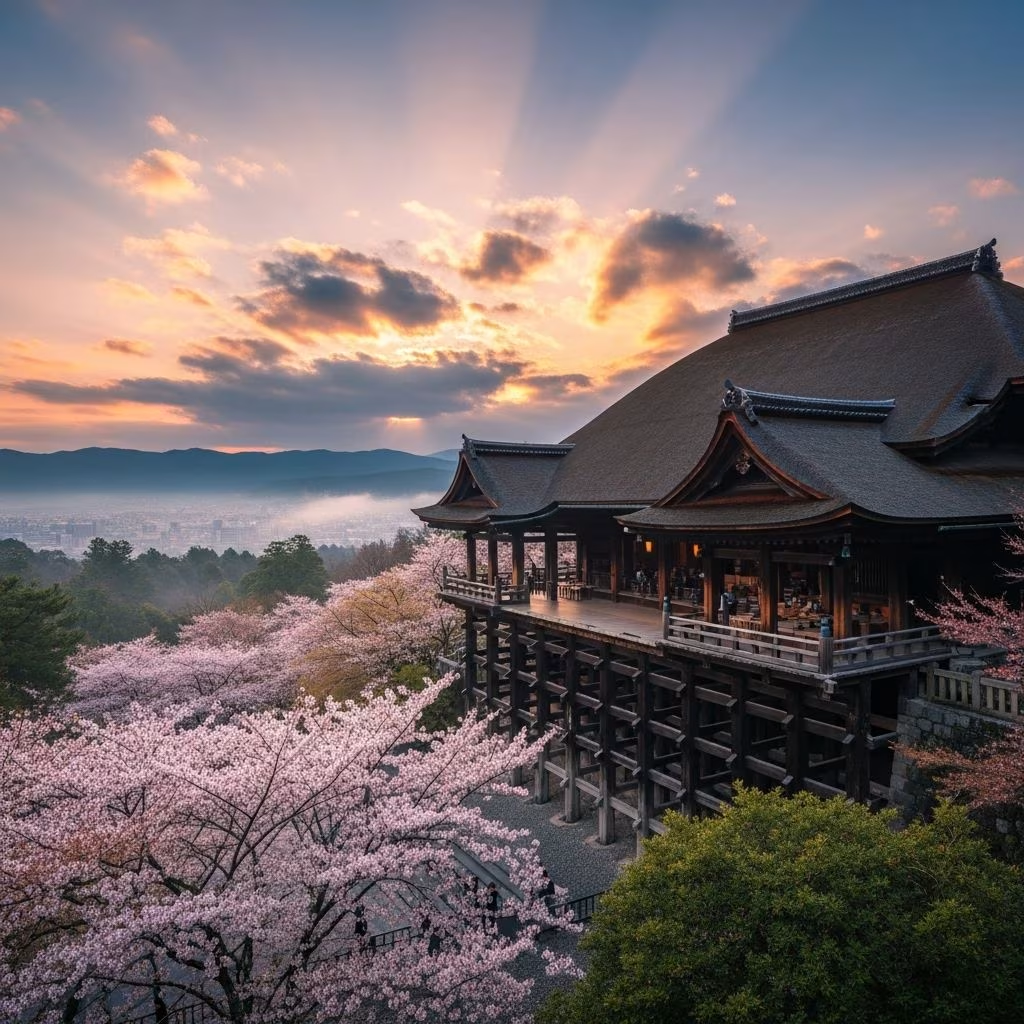
One particularly renowned temple features a dramatically elevated wooden structure built without nails, demonstrating sophisticated pre-industrial engineering techniques. The main hall houses significant religious artwork while surrounding buildings contain additional shrines, pagodas, and meditation spaces. A distinctive feature involves entering complete darkness as part of a wish-making ritual, creating memorable sensory experiences that distinguish this site from conventional temple visits.
Another celebrated temple showcases gold leaf covering that creates luminous reflections in surrounding water features, particularly striking during morning and golden hour lighting conditions. This UNESCO-designated site attracts visitors seeking visual beauty alongside spiritual contemplation. The adjoining tea garden provides opportunities for traditional beverage consumption in historically appropriate settings.
Kyoto maintains several gardens designed specifically for meditation and aesthetic contemplation, representing Zen Buddhism’s visual philosophy. Rock gardens arranged in patterns within carefully raked sand invite extended observation and personal reflection. These spaces intentionally minimize conventional beauty in favor of suggesting natural landscapes through abstract representation.
After meditation sessions, circumambulating reflective ponds and manicured garden paths allows for slower-paced exploration and continued mental quietude. These environments provide respite from urban energy and opportunity for morning activities that prioritize tranquility over rushed sightseeing. The design principles underlying such spaces reflect centuries of philosophical and aesthetic tradition.
Kyoto’s geisha districts host seasonal performances featuring elaborately costumed entertainers executing traditional music, dance, and theatrical presentations. These spectacles occur during specific periods including April and November, drawing enthusiasts of classical performing arts. The extravagant costume details, hairstyle arrangements, and choreographed movements provide visual education regarding historical aesthetic standards and artistic training required for professional status.
Attending such performances offers privileged access to artistic forms rarely experienced outside traditional contexts. The combination of multiple performers, live musical accompaniment, and elaborate stage design creates comprehensive entertainment experiences that justify travel planning around performance schedules.
Kyoto’s food culture reflects regional ingredients, seasonal availability, and centuries of refined preparation techniques. Central markets concentrate hundreds of vendors offering fresh produce, prepared foods, and specialty ingredients. Walking through these spaces provides sensory immersion in Japanese culinary traditions and opportunities for sampling artisanal products unavailable elsewhere.
Specialty shops within market areas focus on specific categories including preserved vegetables, dried seafood, and regional confections. Vendors frequently offer sampling opportunities, enabling educated purchasing decisions. The market environment itself creates vibrant social spaces where daily life intersects with tourism.
Kyoto’s rivers and waterways provide alternative experiences distinct from temple and district exploration. Boating excursions navigate through scenic gorges while revealing landscape features inaccessible from standard pathways. These adventures combine mild physical activity with natural environment appreciation.
Canal-side walking routes offer quieter alternatives to congested central districts. Peaceful water reflections and limited commercial activity create restorative experiences for visitors seeking slower-paced engagement with the city. Evening strolls along water features provide romantic atmospheres and sunset viewing opportunities.
Beyond urban boundaries, Kyoto’s surrounding regions maintain active tea cultivation and production. Farm tours provide education regarding seasonal harvesting, processing techniques, and quality assessment methods. Visitors participate in hands-on activities, connecting abstract knowledge with tangible experience.
Tea ceremonies conducted within authentic settings offer ritualized learning experiences emphasizing mindfulness, proper etiquette, and aesthetic appreciation. These sessions typically occur within dedicated spaces designed according to specific architectural principles. Participants learn preparation methods while consuming freshly whisked beverages in contemplative settings.
Kyoto’s central location enables convenient access to complementary destinations within reasonable travel distances. Nearby cities and natural areas provide contrasting experiences and extended cultural immersion. Regional transportation networks facilitate easy transitions between locations, enabling flexible itinerary adjustments.
Adjacent wildlife reserves and mountain environments introduce natural history elements and outdoor recreation into culturally-focused itineraries. Temple complexes in surrounding areas sometimes receive fewer visitors than central Kyoto sites, offering less congested alternatives for those prioritizing tranquility.
Timing Strategies: Early morning arrivals at popular sites significantly improve experiences through reduced crowding and superior lighting conditions for photography. Arriving by 8 AM at heavily visited locations enables productive exploration before midday peaks.
Entry Fees and Reservations: Most temples charge modest admission fees ranging from free to approximately 3,400 yen for premium experiences like immersive art installations. Advance online booking often enables discounted rates and guaranteed entry during peak periods.
Transportation Methods: Train access provides efficient connections between central Kyoto and outlying attractions. Local bus networks supplement rail service, though routes require advance study. Bicycle rentals enable flexible independent exploration of moderate distances.
Seasonal Considerations: Cherry blossom season and autumn foliage periods attract peak visitor volumes, potentially compromising experience quality. Shoulder seasons offer favorable weather combined with manageable crowds. Winter temperatures rarely descend to severe levels, enabling year-round visitation.
Respecting local customs enhances experiences while demonstrating appreciation for hosting communities. Certain areas maintain photography restrictions that visitors must observe without exception. Temple grounds typically require shoe removal in specific buildings, necessitating convenient footwear choices.
Geisha districts particularly require sensitivity regarding unsolicited photography. These spaces remain active working environments rather than performance venues, and residents deserve privacy during non-performance hours.
Spring (March-May) and autumn (September-November) offer optimal weather conditions and spectacular natural scenery. However, these periods attract larger crowds. Winter provides fewer visitors and pleasant cool temperatures, while summer heat and humidity can challenge some travelers.
Three to four days allow exploration of major sites without excessive rushing. Five or more days enable relaxed pacing and discovery of less-visited locations. Minimum two-day visits permit experiencing primary attractions, though this requires condensed scheduling.
Kimono rental remains optional but enhances cultural immersion and photography experiences. Numerous rental shops operate throughout central districts, typically charging 3,000-8,000 yen for full costumes. Renters receive styling assistance and benefit from local hospitality extended to traditionally-dressed visitors.
Independent exploration enables flexible pacing and personal discovery. Professional guides provide historical context, cultural interpretation, and access to areas typically restricted to unguided visitors. Both approaches offer distinct advantages depending on travel preferences.
Multi-day bus passes provide unlimited public transportation access and cost savings for active explorers. Train passes supplement bus coverage, particularly for accessing outlying sites. Pay-per-journey tickets suit visitors making limited daily trips.
