

 Travel Essentials
 Travel Essentials

Comprehensive guide to experiencing Kyrgyzstan's dramatic mountain scenery, cultural heritage, outdoor adventures, and authentic nomadic hospitality.
 Travel Essentials
Nestled in the heart of Central Asia, Kyrgyzstan represents one of the world’s most compelling destinations for travelers seeking authentic outdoor experiences combined with vibrant cultural traditions. This mountainous nation, often referred to as the “Switzerland of Central Asia,” offers visitors an extraordinary blend of pristine wilderness, nomadic heritage, and genuine hospitality that remains relatively undiscovered by mainstream tourism. Whether you’re an avid trekker, cultural enthusiast, or simply someone yearning to escape the well-worn tourist paths, Kyrgyzstan delivers experiences that challenge conventional travel narratives.
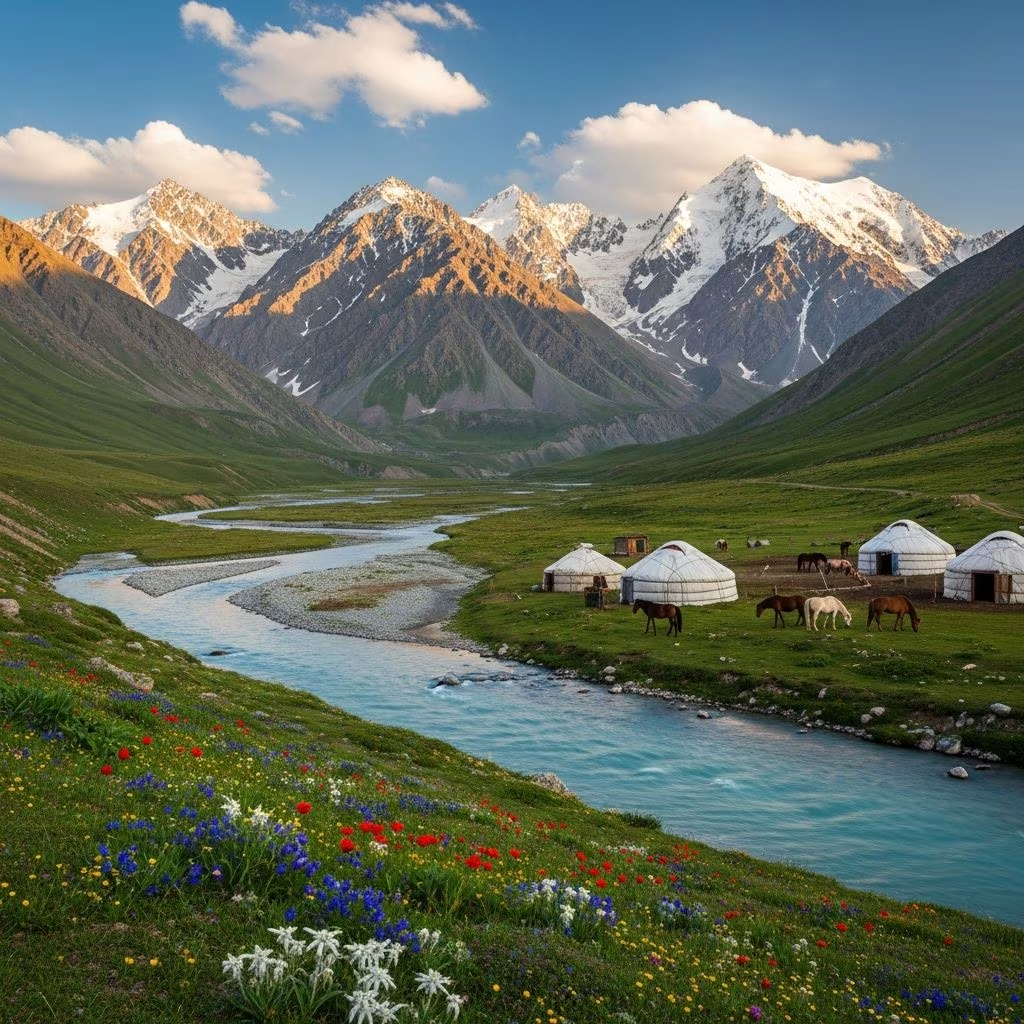
Kyrgyzstan’s defining characteristic is its dramatic topography, where towering peaks and expansive mountain valleys dominate nearly every direction. The country’s landscape is characterized by rugged terrain that shapes both the travel experience and the daily lives of its inhabitants. The terrain transitions from verdant alpine meadows to stark high-altitude plateaus, creating diverse ecosystems that support both traditional pastoral communities and remarkable wildlife populations.
The most celebrated geographic feature is Issyk-Kul Lake, recognized as the world’s second-largest alpine lake, which sits at considerable elevation surrounded by mountain ranges. Beyond this iconic water body, the country encompasses numerous valleys, canyon formations, and lesser-known lakes that offer equally compelling experiences for the adventurous traveler. The geological diversity means that dramatic landscape shifts occur within relatively short distances, allowing visitors to experience multiple environmental zones throughout their journey.
Timing your visit to Kyrgyzstan significantly impacts your experience and the activities available to you. Summer months, particularly from late June through September, represent the prime travel window when major trekking and horseback riding routes become fully accessible. During this period, high mountain passes are navigable, alpine meadows bloom with seasonal wildflowers, and weather conditions are most favorable for extended outdoor pursuits.
However, summer also coincides with peak tourism activity. Despite this increased visitation, crowding remains minimal compared to mainstream destinations, with only the most celebrated locations attracting noticeable visitor concentrations. This seasonal advantage allows travelers to experience significant freedom even during the busiest months.
For those preferring milder temperatures and fewer visitors, spring (April through June) and autumn (late August through October) offer compelling alternatives. These shoulder seasons present excellent conditions for day hikes and moderate treks, though some high-altitude routes may still require special preparation. Spring particularly rewards visitors with vibrant wildflower displays across alpine meadows, while autumn delivers clear skies and stable weather patterns ideal for photography and extended explorations.
Most Kyrgyzstan itineraries begin in Bishkek, the capital city, which serves as the primary international entry point and transportation hub. Bishkek presents a fascinating contradiction—a laid-back urban environment characterized by Soviet-era architecture combined with contemporary cafes and emerging cultural venues. A day or two exploring the capital provides essential orientation and access to administrative services before venturing into the countryside.
While Bishkek functions as the logistical center, Karakol emerges as the adventure gateway, positioned strategically for accessing premier trekking destinations and serving as a basecamp for mountaineers. Located on the northeastern shore of Issyk-Kul Lake, Karakol combines modest urban amenities with proximity to world-class mountain terrain. Tokmok, situated approximately one hour from Bishkek, provides access to historically significant sites including the Burana Tower, an eleventh-century minaret representing Central Asia’s Silk Road heritage.
Lake Son-Köl represents an essential Kyrgyzstan experience, particularly for travelers with limited time. This high-elevation alpine lake, situated at approximately 11,500 feet, offers a transformative mountain experience accessible within a short journey from Bishkek. The interplay of changing light across the water, combined with encircling mountain vistas and the absence of cellular connectivity, provides immediate psychological distance from urban environments. Visitors can engage in horseback exploration along shorelines or participate in traditional yurt stays within nomadic communities.
Issyk-Kul Lake offers different recreational possibilities, functioning as Central Asia’s primary water-based recreation center. Beyond its distinction as the world’s eighth-deepest lake, Issyk-Kul provides opportunities for kayaking, paddleboarding, and beach camping. The lake’s expansive shoreline, combined with surrounding mountain panoramas, creates opportunities for multi-day circumnavigation journeys or relaxed lakeside rest periods between mountain adventures.
Kyrgyzstan’s hiking opportunities range from accessible day excursions to challenging multi-week expeditions. The Ala-Köl Pass trek, requiring two to three days of continuous walking, delivers spectacular mountain vistas and access to remote alpine terrain. This particular route showcases the dramatic elevation changes and pristine wilderness that characterize Kyrgyzstan’s interior mountain regions.
Song Kul Lake’s approach represents one of the country’s most celebrated trekking opportunities, offering a comprehensive expression of Kyrgyzstan’s natural and cultural dimensions. The paths leading to this high-altitude lake traverse some of Central Asia’s most dramatic terrain, featuring lush alpine meadows reminiscent of Iceland or New Zealand, interspersed with traditional pastoral settlements and wild horse populations. Three-day hiking routes enable visitors to experience the complete transformation across multiple elevation zones and ecological systems.
Kyrgyzstan’s nomadic heritage remains actively practiced rather than merely preserved for tourism. Summer Community-Based Tourism festivals celebrate traditional horse sports, eagle hunting, and epic storytelling traditions rooted in centuries of Central Asian culture. These seasonal celebrations provide authentic encounters with practices that define Kyrgyz identity and worldview.
Wildlife-based tourism opportunities include snow leopard safaris in remote mountain regions and birdwatching expeditions during migration seasons, when thousands of species traverse Central Asian flight corridors. These specialized experiences connect visitors with Kyrgyzstan’s ecological significance and the conservation efforts protecting endangered species.
Beyond major lakes and established trekking routes, Kyrgyzstan contains numerous remarkable natural features worth exploration. The Skazka Canyon, earning its “Fairy Tale Canyon” designation through otherworldly rock formations and Martian-like landscapes, provides stark visual contrast to the country’s alpine meadows. Barskoon Waterfalls demonstrate the dramatic hydrological features resulting from Kyrgyzstan’s precipitation patterns and geological structure, creating spectacular cascades within Tien Shan mountains.
Ala Archa National Park functions as Bishkek’s most accessible mountain escape, offering day-trip opportunities for visitors with limited time or physical conditioning. The park’s proximity to the capital makes it ideal for acclimatization hikes or recovery days between more challenging mountain pursuits.
Kyrgyzstan’s transportation network reflects its mountainous terrain and limited infrastructure development. Hitchhiking represents a culturally integrated travel method, with shared transportation deeply embedded in local practice. However, vehicle rental or hiring experienced guides provides greater flexibility for explorers seeking customized itineraries and access to remote locations.
Public transportation exists in larger settlements but operates inconsistently regarding schedules and frequency. Long-distance road travel requires tolerance for mountainous terrain, with significant sections of highway traversing unpaved or poorly maintained routes. Despite these challenges, the journey itself becomes an integral part of the travel experience, offering opportunities to observe landscape transitions and encounter local communities along the way.
Slow travel functions as the default mode in Kyrgyzstan—extensive driving on mountain roads combined with extended periods on foot or horseback means that rapid destination-hopping contradicts the country’s fundamental character. Successful itineraries embrace this reality, allocating generous time for travel between locations and allowing for spontaneous detours.
| Duration | Geographic Focus | Primary Activities | Ideal Traveler Profile |
|---|---|---|---|
| 3-4 Days | Bishkek and Ala Archa | City exploration, day hiking, cultural sites | Limited time travelers, culture-focused visitors |
| 7 Days | Issyk-Kul Lake and Song Kul | Lake activities, moderate trekking, nomadic stays | First-time visitors, balanced adventure seekers |
| 10-14 Days | Northern and eastern regions | Extended treks, wildlife observation, cultural immersion | Experienced outdoor enthusiasts |
| 2+ Weeks | Southern loop (Naryn, Osh, Alay Valley) | Challenging mountain expeditions, remote exploration | Seasoned trekkers, specialized adventure travelers |
Kyrgyzstan accommodates diverse lodging preferences without requiring substantial financial expenditure. Yurt stays integrate visitors into pastoral communities, offering opportunities for cultural exchange and practical understanding of nomadic livelihoods. Tourist yurt camps provide intermediate options combining traditional aesthetics with modest contemporary amenities.
Urban accommodations in Bishkek and Karakol range from basic guesthouses to contemporary boutique establishments. Wild camping represents a beloved option for budget-conscious travelers and outdoor enthusiasts, with Kyrgyzstan earning reputation as an exceptionally affordable destination for primitive camping. The combination of genuinely welcoming communities and minimal commercialization means that camping costs remain negligible compared to mainstream destinations.
Travelers should verify current visa requirements and entry conditions with appropriate governmental authorities, as regulations may shift. International flight access typically routes through Bishkek’s Manas International Airport, serving as the primary entry point for most visitors.
High-altitude activities require adequate physical conditioning and altitude acclimatization time. The dramatic elevation changes characterizing Kyrgyzstan’s terrain—with many destinations situated above 10,000 feet—demands respect for acclimatization protocols and awareness of altitude-related health considerations.
Mountain weather changes rapidly in Kyrgyzstan, necessitating comprehensive gear including layered clothing, waterproof protection, and appropriate footwear. Equipment availability in country remains limited, making advance packing essential rather than convenient.
Seven days represents the practical minimum for experiencing meaningful variety, allowing time for city exploration, major lake visits, and introductory hiking. However, Kyrgyzstan rewards extended stays—the country’s dispersed attractions and mountainous terrain mean that additional weeks enable substantially deeper engagement with culture and landscape.
Kyrgyzstan accommodates various fitness levels through diverse activity options. Day hiking around populated areas and lake-based activities suit moderate fitness levels, while extended mountain treks require advanced conditioning and altitude acclimatization experience.
Solo travel in Kyrgyzstan is exceptionally feasible and remarkably safe. The combination of welcoming communities, established guesthouse networks, and common shared travel practices creates favorable conditions for independent exploration. Numerous travelers undertake solo journeys through the country annually without complications.
Summer mountain weather requires layered systems accommodating dramatic temperature shifts between elevations. Even during warm months, high-altitude destinations demand insulating layers, windproof protection, and waterproof outer garments. Winter travel requires specialized cold-weather gear and limited accessibility to certain regions.
Kyrgyzstan distinguishes itself through authentic cultural preservation, dramatic landscape diversity, and tourism infrastructure that remains proportional to rather than invasive to local communities. The country represents a travel destination where personal agency, physical capability, and time allocation directly determine experience quality. Visitors rarely regret time invested in Kyrgyzstan, as the combination of natural grandeur, cultural authenticity, and genuine hospitality creates lasting impressions that challenge and transform conventional understanding of adventure travel.
The country’s appeal extends beyond scenic photography or adventure completion metrics—Kyrgyzstan fundamentally delivers the psychological restoration and perspective shift that travelers increasingly seek from extended time in wilderness environments. Whether motivated by mountain ambition, cultural curiosity, or simple escape from interconnected modernity, Kyrgyzstan provides genuine pathways to those objectives.
