


 Food & Culture
Food & Culture
La Boqueria Market Barcelona: Food Lover’s Guide
Comprehensive guide to La Boqueria Market in Barcelona, covering history, visiting times, food highlights, and insider tips for an authentic market experience.
 Food & Culture
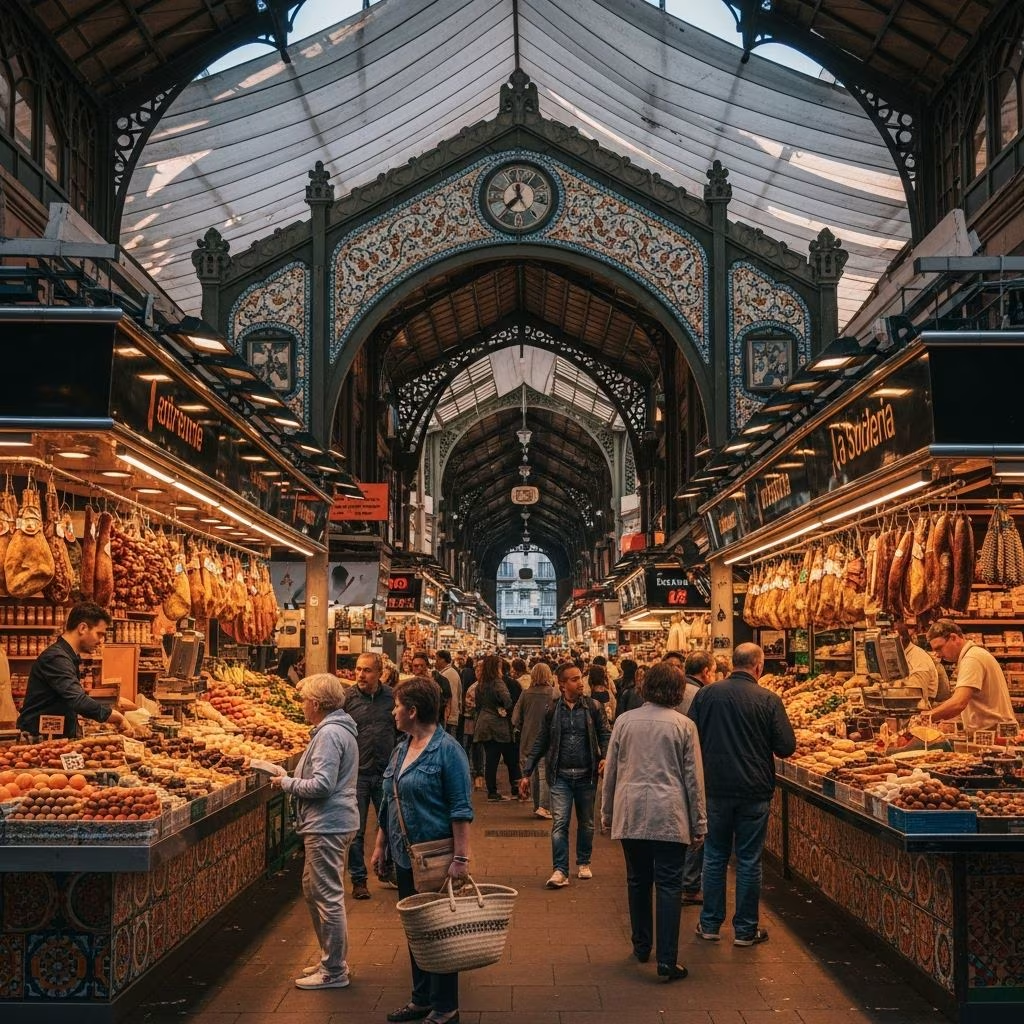
Mercat de Sant Josep de la Boqueria stands as one of Barcelona’s most celebrated culinary institutions, drawing food enthusiasts from around the globe to experience its vibrant energy and exceptional offerings. Situated along La Rambla, the city’s most prominent pedestrian thoroughfare, this market has evolved from a simple municipal marketplace into a world-renowned gastronomic destination. For visitors seeking authentic Barcelona culture beyond the typical tourist attractions, La Boqueria represents an essential experience that captures the essence of Catalan food traditions and contemporary urban market life.
Historical Significance and Architectural Evolution
The origins of La Boqueria trace back several centuries, with the market establishing its presence in the heart of Barcelona as far back as 1217. However, the structure visitors encounter today reflects a much more recent transformation. The current market hall dates to 1840, designed specifically as Barcelona’s primary municipal marketplace. The building occupies the grounds of the former Convent de Sant Josep monastery, which was destroyed by fire during the early nineteenth century, making way for this commercial enterprise.
The market’s architectural character significantly reflects the vision of Catalan architect Josep Mas i Vila, whose original design established the foundational layout that remains recognizable today. A defining aesthetic element arrived in 1914 when Antoni de Falguera contributed a striking stained-glass Modernista gate alongside an ornamental metal roof, infusing the structure with the artistic sensibilities characteristic of Catalonia’s artistic movement. These architectural additions transformed La Boqueria from a purely functional space into an aesthetically distinctive landmark that complements Barcelona’s broader urban character.
Navigating the Physical Space and Layout
La Boqueria encompasses approximately 2,500 square meters of covered market space, housing more than 300 individual vendor stalls across its interior. This substantial size can initially seem overwhelming to first-time visitors, yet understanding the market’s organization helps optimize the shopping and eating experience. The official website provides a detailed map of all 330 stalls, enabling visitors to chart efficient routes if seeking specific products or vendors.
The market’s spatial organization creates distinct zones with different atmospheres and purposes. The front section nearest the La Rambla entrance tends toward tourism-focused establishments, featuring the photogenic fruit smoothie bars and vibrant juice stands designed to appeal to passing pedestrians. These stalls, while visually striking and convenient, typically represent premium pricing and less authentic market experiences. The true treasures of La Boqueria—where locals actually conduct their shopping and where proprietors have operated for generations—lie deeper within the market’s interior corridors. Navigating toward the back sections reveals serious seafood vendors displaying whole fish on ice, specialized butchers offering cuts unavailable in conventional retail settings, and cheese merchants with international selections that expand conventional cheese knowledge.
Optimal Visiting Hours and Crowd Management
Timing significantly influences the La Boqueria experience, as the market’s character transforms dramatically throughout each day. The market operates from 8 am to 8:30 pm Monday through Saturday, with the notable exception of Sunday closures. However, opening hours do not necessarily align with optimal visiting conditions. Until 10 am, many stalls remain in preparation phases, with vendors still unpacking merchandise and arranging products on display. Boxes and organizational materials occupy walking spaces, creating navigational challenges and suggesting that arriving precisely at opening time does not guarantee the best experience.
The window between 8 am and 10 am represents the genuine sweet spot for market visits. During these hours, crowds remain manageable while vendors have sufficiently prepared their offerings. Professional chefs from Barcelona’s restaurants strategically time their market visits during these morning hours, selecting the freshest available ingredients for their establishments’ daily service. This professional activity provides an interesting backdrop to the shopping experience, allowing visitors to observe how culinary professionals evaluate quality produce and negotiate with longtime vendors.
By 11 am, visitor volume noticeably increases, and by noon, navigating through dense crowds becomes challenging. Weekend visits and peak holiday periods intensify these crowd dynamics considerably. Those seeking a more relaxed, authentic market atmosphere should plan visits during weekday mornings, avoiding holiday periods and tourist seasons when possible. Fish stalls operate with limited hours on Mondays, remaining closed during this day of the week, which represents an additional scheduling consideration for visitors specifically interested in seafood offerings.
Practical Access and Transportation Information
La Boqueria’s central location makes accessing the market straightforward for most Barcelona visitors. The market’s official address is La Rambla, 91, located in the 08001 postal district. For those relying on public transportation, the Liceu metro station on the L3 green line provides the closest access point. From the metro turnstile, the market entrance requires only approximately one minute of walking to reach.
The market sits approximately midway down La Rambla’s length. From Plaça de Catalunya—Barcelona’s principal central plaza—the market lies about eight minutes walking distance downhill, appearing on the right side of the street. Visitors departing from the Columbus Statue and Barcelona’s cruise port terminal can reach the market within five minutes walking uphill, finding it on their left. The pedestrian-friendly character of Barcelona’s central neighborhoods means many accommodation options throughout the city center remain within reasonable walking distance, making navigation to La Boqueria accessible even without transportation assistance.
Transportation Quick Reference
- Metro: Liceu station on L3 (green line); one-minute walk to entrance
- Walking: Eight minutes downhill from Plaça de Catalunya
- Walking: Five minutes uphill from Columbus Statue
- Address: La Rambla, 91, 08001 Barcelona
Culinary Highlights and Must-Try Products
La Boqueria’s international reputation rests significantly on its exceptional ingredient quality and impressive variety. The market showcases an extensive range spanning fresh seafood, cured meats, produce, spices, nuts, dried goods, and prepared foods available for immediate consumption. This diversity means virtually every culinary interest finds representation within the market’s stalls.
Spanish cured meats represent perhaps the most celebrated offerings, with jamón ibérico de Bellota commanding particular attention. This premium cured ham derives from acorn-fed pata negra (black-hoofed) pigs, developing a distinctive sweet, nutty flavor profile with marbled fat distribution that melts elegantly when sliced paper-thin. Market tapas bars serve this delicacy at premium prices; instead, purchasing directly from butchers like Xarcuteria Barrachina (stand 395) provides substantially better value while supporting established vendors. Beyond premium jamón, visitors should explore fuet, a thin, dry-cured Catalonian sausage offering complex flavor development, and butifarra, a fresh pork sausage seasoned with sea salt and pepper representing Catalan culinary tradition.
Fresh seafood constitutes another market cornerstone. Vendors display whole fish on ice, representing daily catches available for immediate purchase or consumption at market-based seafood tapas establishments. The variety accommodates everything from casual visitors seeking simple fresh preparations to professional chefs selecting specific specimens for complex dishes.
Fresh produce ranges from conventional fruits and vegetables to more specialized ingredients. Fruit juice stands operate throughout the market, blending fresh smoothies that represent convenient, refreshing options for market exploration. Spices, nuts, and dry ingredients fill additional stalls, supporting both home cooking and professional culinary needs. Handicrafts and farmer’s market goods provide non-food alternatives for those seeking artisanal products beyond conventional grocery items.
Strategic Shopping Guidance for Market Navigation
Visiting La Boqueria effectively requires understanding several local customs and practical considerations. Upon arrival, a friendly greeting in Catalan—”bon dia” (“hello”)—establishes respectful engagement with stallholders and sets an appropriate tone for interactions. This cultural acknowledgment often results in more welcoming vendor interactions and potentially better recommendations.
Most contemporary stalls accept card payments; however, maintaining spare change remains prudent for smaller purchases, particularly at certain traditional vendors who may prefer cash transactions. Visitors should bring their own tote bags or reusable shopping carriers to transport purchases, as the market’s environmental consciousness increasingly emphasizes sustainable shopping practices rather than single-use packaging.
Photography etiquette merits consideration. While La Boqueria’s visual richness invites documentation, stallholders deserve respect and consent before photographing their displays. A polite request typically results in enthusiastic cooperation, particularly from vendors accustomed to international visitors.
The strategic shopping principle of avoiding front-entrance stalls applies broadly. These highly visible positions attract tourist attention and command premium prices, often representing less authentic market experiences. Moving deeper into the market’s interior reveals genuinely better prices, lesser-known vendors with multi-generational operational histories, and fewer concentrated tourist groups. Many stalls are owned by fourth and fifth-generation heirs maintaining family traditions and expertise accumulated over decades.
Food Consumption Opportunities Within the Market
Beyond shopping for ingredients, La Boqueria functions as an active dining destination. Tapas bars throughout the market serve prepared dishes featuring fresh market ingredients, creating opportunities to experience authentic Spanish small plates and local specialties. These establishments range from counter-service options accommodating standing consumption to more substantial dining arrangements. The quality and authenticity of offerings vary considerably; earlier visiting times often present fresher preparations as kitchens have not yet processed large service volumes.
Guided tour experiences represent another consumption avenue. Small group tours led by trained local chefs provide structured market exploration combined with hands-on culinary instruction. These tours typically involve ingredient selection from market stalls followed by preparation and consumption of traditional Spanish lunch dishes under professional guidance, creating immersive cultural experiences alongside practical cooking knowledge.
Addressing Common Misconceptions
While La Boqueria maintains its reputation as one of the world’s finest markets—repeatedly voted to top positions in international market rankings—discussions occasionally surface regarding its evolution toward tourist-oriented commercialization. The market serves dual functions simultaneously: it remains a working marketplace where professional chefs and local residents purchase ingredients, while also functioning as a major tourist attraction. Understanding this dual nature helps visitors maximize authentic experiences. Strategic navigation toward less-trafficked interior sections, adherence to optimal visiting times, and respectful vendor interaction significantly enhance the likelihood of experiencing the market’s genuine character rather than purely tourist-oriented performances.
Frequently Asked Questions
What items should I prioritize purchasing at La Boqueria?
Premium Spanish cured meats (particularly jamón ibérico), fresh seafood, artisanal cheeses, and fresh produce represent the market’s strongest offerings. These items often carry higher quality than conventional retail alternatives and support traditional producers.
Is visiting La Boqueria worth the time and effort?
For food enthusiasts, cultural tourists, and anyone interested in authentic Barcelona experiences, La Boqueria absolutely merits visitation. The market represents not merely a shopping venue but a cultural institution reflecting Catalan food traditions and contemporary urban market life. It ranks among the world’s finest markets and delivers on its considerable reputation when visited strategically.
Can I eat full meals at La Boqueria, or only snacks?
The market accommodates both options. Tapas bars serve prepared dishes ranging from simple small plates to more substantial offerings. Visitors can construct complete meals through multiple small purchases or enjoy market browsing combined with specific food experiences rather than comprehensive dining.
Do I need cash to shop at La Boqueria?
Most stalls accept card payments in contemporary Barcelona; however, maintaining spare cash remains advisable for certain vendors and smaller purchases. Carrying both payment methods ensures smooth transactions throughout market exploration.
Practical Visitor Considerations
La Boqueria remains open year-round with consistent operating hours, making it accessible during most Barcelona visitation windows. The market maintains free entry, with costs limited to actual food and product purchases according to individual preferences and budgets. The covered structure provides weather protection, making market visits feasible regardless of Barcelona’s seasonal conditions. The total market area and vendor count enable several hours of exploration without exhausting available options, though visitors can optimize their time based on specific interests and shopping objectives.
Combining La Boqueria visits with broader Barcelona exploration enhances overall travel experiences. The central La Rambla location positions the market within walking distance of numerous attractions, museums, and dining establishments, enabling efficient integration into comprehensive city itineraries. The market functions effectively both as a primary destination worthy of dedicated time and as a convenient exploratory stop during La Rambla traversal.
References
- La Boqueria Barcelona: Incredible Food You Don’t Want to Miss — Migrationology. Accessed April 2026. https://migrationology.com/la-boqueria-market-barcelona/
- La Boqueria Market: Top Snacks and Stalls + Food Itinerary — Barcelona Hacks. Accessed April 2026. https://barcelonahacks.com/la-boqueria-market-barcelona/
- La Boqueria Market – A Foodie’s Guide to Visiting Like a Local — Spanish Sabores. Accessed April 2026. https://spanishsabores.com/barcelonas-boqueria-market-spanish-food/
- 5 Top Tips for Visiting La Boqueria Market — Devour Tours. Accessed April 2026. https://devourtours.com/blog/visit-la-boqueria-market/
- The Lonely Planet Guide to Barcelona’s Mercat de la Boqueria — Lonely Planet. Accessed April 2026. https://www.lonelyplanet.com/articles/guide-to-mercat-la-boqueria-barcelona
- Insiders Guide to the Mercat de la Boqueria in Barcelona — Forever Barcelona. Accessed April 2026. https://www.foreverbarcelona.com/guide-to-mercado-de-la-boqueria-in-barcelona/
- La Boqueria Market Barcelona: A Food Lover’s Complete Guide — Beth Graham. Accessed April 2026. https://bethgraham.com/la-boqueria-market-in-barcelona/
On This Page
Historical Significance and Architectural Evolution Navigating the Physical Space and Layout Optimal Visiting Hours and Crowd Management Practical Access and Transportation Information Culinary Highlights and Must-Try Products Strategic Shopping Guidance for Market Navigation Food Consumption Opportunities Within the Market Addressing Common Misconceptions Frequently Asked Questions Practical Visitor Considerations← Previous
Best Scenic Train Travel in the USA: Top Amtrak Routes & Tips
Next →
Best Places to Visit in Azerbaijan: Baku, Sheki, Gobustan & More
Related Reading
More in Food & Culture
Food & Culture Food & Culture
 Food & Culture
Best Places to Eat in Rome: Neighborhood Dining Guide
 Food & Culture
 Food & Culture