

 Travel Essentials
 Travel Essentials

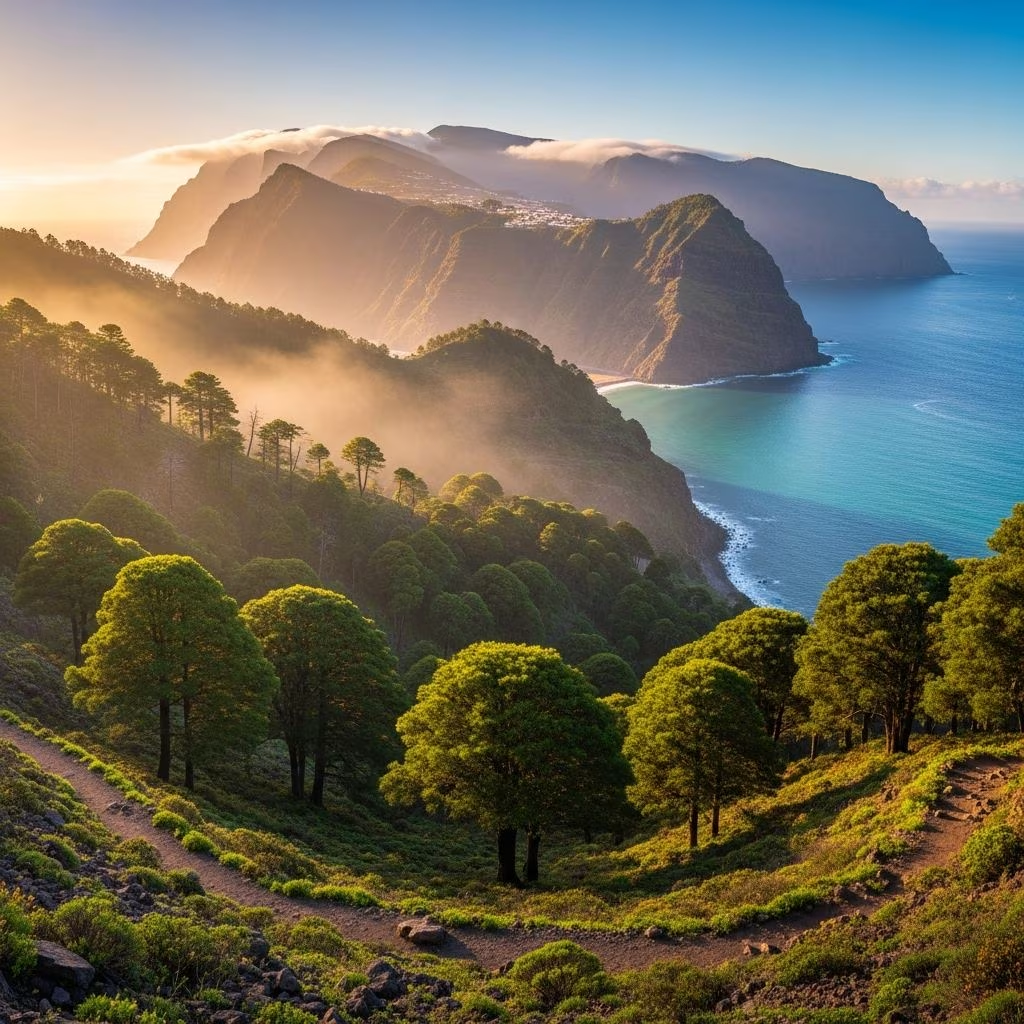
Explore La Gomera's unspoiled nature, from Garajonay National Park's ancient laurel forests to charming coastal towns and unique cultural traditions like Silbo Gomero.
 Travel Essentials
La Gomera stands out as the second-smallest Canary Island, covering just 370 square kilometers of dramatic terrain that blends lush valleys, ancient forests, and stark volcanic peaks. Unlike its more crowded neighbors, this verdant paradise offers a peaceful retreat for nature enthusiasts, hikers, and those seeking authentic island life.
This island captivates with its unique geography: over 30% forested, featuring the rare laurel woods of Garajonay National Park, a UNESCO site preserving ecosystems from prehistoric times. Its volcanic dormancy—over two million years—results in softer, greener landscapes compared to the rugged blacks of Tenerife or Lanzarote. Year-round mild weather, with winter highs around 20°C, makes it ideal for outdoor pursuits.
Visitors praise its uncrowded beaches, intricate hiking networks, and cultural quirks like Silbo Gomero, a whistled language still taught in schools. Road trips reveal viewpoints at every turn, while coastal spots buzz with dolphin-watching opportunities.
Ferries from Tenerife’s Los Cristianos port provide the most scenic arrival, taking 50 minutes to an hour to reach San Sebastián de la Gomera. Multiple daily sailings by Fred Olsen and Naviera Armas accommodate cars, though renting on-island is simpler due to narrow roads. Flights land at the small airport near Playa Santiago, mainly from Tenerife or Gran Canaria.
La Gomera’s compact size belies its diverse regions, from northern misty highlands to sunny southern coasts. Here’s a breakdown of key areas:
| Region | Highlights | Best For |
|---|---|---|
| San Sebastián | Columbus history, Torre del Conde, pebble beach | History buffs, ferry arrivals |
| Valle Gran Rey | Golden beaches, whale watching, arty La Calera | Beach lovers, relaxation |
| Vallehermoso | Valley confluence, hiking access, authentic vibe | Hikers, nature immersion |
| Agulo | Whitewashed houses, banana groves, viewpoints | Picturesque villages |
| Hermigua | Lush valley, palm honey tastings, coastal charm | Foodies, scenery |
[10]
La Gomera’s heart is its nature. Dominating the center, Garajonay National Park spans misty laurel forests, evoking Jurassic-era vibes. Trails from Laguna Grande visitor center lead to Alto de Garajonay, the island’s 1,487m summit. Route 17 offers a 4.5km loop with wildflowers in spring and panoramic vistas.
Roque de Agando, an iconic eroded volcanic plug, towers dramatically, symbolizing the island’s geology. Access via viewpoints or short hikes for stunning photos.
Remote beaches like Playa de Guancha demand foot or boat access, rewarding with pristine pebbles amid cliffs.
With over 300km of paths, La Gomera excels in trekking. Beginners enjoy forest boardwalks; experts tackle multi-day GR131 crossing ravines and peaks.
Pack water, sturdy shoes, and check weather—mists can roll in quickly. Visitor centers at Juego de Bolas and Laguna Grande provide maps.
La Gomera’s indigenous Guanche roots shine through Silbo Gomero, a whistled communication system mimicking Spanish, used across valleys. Catch demonstrations at festivals or San Sebastián’s museums. The Archaeological Museum details pre-conquest life, while Torre del Conde, a 15th-century fort, links to Columbus’s 1492 voyage.
Villages like Agulo preserve balcones (wooden balconies) and colonial architecture, offering glimpses into rural Canary life.
Island cuisine emphasizes fresh seafood, tropical fruits, and staples like papas arrugadas—wrinkly salted potatoes with mojo sauce. Try palm honey from Hermigua, goat stews (estofado de cabra), and almogrote cheese spread. Valle Gran Rey’s eateries pair catches with local wines.
Narrow, winding roads like GM1 and GM2 demand cautious driving—rent small cars or join tours. Buses connect towns affordably. Accommodations range from paradores in San Sebastián to rural fincas in valleys and beachfront apartments in Valle Gran Rey.
Pack layers for microclimates: cool highlands, warm coasts. ATMs are sparse outside capitals; euros accepted everywhere.
Boat tours from Valle Gran Rey spot dolphins and whales year-round. Golf enthusiasts enjoy the scenic course. Road trips to miradors like Los Roques yield photographer’s dreams. For adrenaline, kayak secluded coves or cycle coastal paths.
Yes, with easy trails, beaches, and cultural demos, though rugged terrain suits active families best.
Spring (March-May) for wildflowers; year-round mildness avoids summer crowds.
4-7 days for hikes, villages, and relaxation; day trips possible from Tenerife.
Many flat paths exist; stick to marked trails and check conditions.
Absolutely—year-round tours from southern ports boast high sighting rates.
Day 1: Arrive San Sebastián, explore history, beach relax.
Day 2: Drive to Garajonay, hike Route 17.
Day 3: Northern valleys—Agulo, Vallehermoso viewpoints.
Day 4: Valle Gran Rey beaches, boat tour.
Day 5: Remote hikes or Hermigua food trail.
Day 6: Free for GR131 segment or golf.
La Gomera rewards patient explorers with profound tranquility and raw beauty, far from mass tourism. Its forests whisper ancient secrets, trails challenge and inspire, and sunsets over the Atlantic seal unforgettable memories.
