


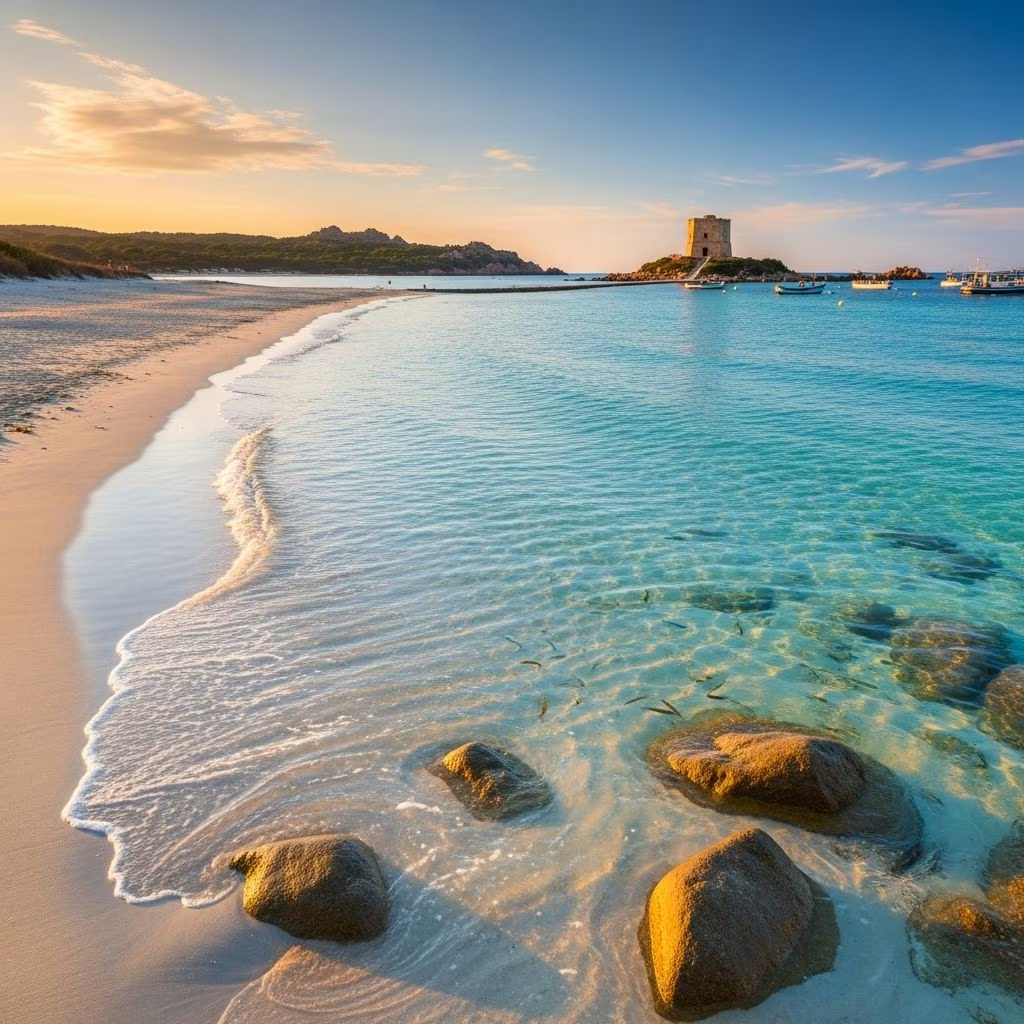
Nestled on the northwestern coast of Sardinia near the small fishing village of Stintino, La Pelosa Beach has earned international recognition as one of Europe’s most spectacular coastal destinations. With its powder-white sand and crystalline turquoise waters that rival Caribbean beaches, this Mediterranean treasure attracts thousands of visitors annually seeking to experience its pristine beauty. However, what many potential visitors don’t immediately realize is that accessing this iconic beach now involves a structured system of reservations, fees, and specific guidelines designed to balance tourism with environmental preservation.
Understanding the Conservation Challenge
The decision to implement access controls at La Pelosa didn’t emerge arbitrarily. Over the past decades, the beach faced significant environmental pressure from unregulated tourism. The dunes behind the beach suffered considerable damage as visitors trampled vegetation in pursuit of optimal sunbathing locations, while erosion threatened the delicate ecosystem that makes this beach distinctive. Local authorities commissioned comprehensive studies to determine the maximum sustainable visitor capacity that would prevent further geological and ecological harm. This research-driven approach demonstrates a commitment to long-term preservation rather than short-term tourism revenue maximization.
Daily Visitor Limitations and Capacity Management
La Pelosa operates under a strict daily visitor cap designed to protect its environment. The beach accommodates a maximum of 1,500 visitors per day during the peak protection period. This limitation applies primarily between May 15 and October 15, when tourism pressure reaches its highest levels. The allocation system divides available spots into two categories: 500 places available for unrestricted booking at any time, and 1,000 places that can only be reserved within a 48-hour window before your intended visit. This tiered approach encourages spontaneous visits while preventing excessive advance reservations that could artificially inflate demand.
Children under 12 years of age are exempt from the booking requirement and entry fees, making La Pelosa particularly accessible for family vacations. This consideration recognizes that younger children require special accommodations and encourages intergenerational travel to this remarkable destination.
Entry Fee Structure and Payment Details
Access to La Pelosa during the peak season (May 15 to October 15) requires payment of €3.50 per person per day. While this fee may seem modest compared to attractions in other Mediterranean destinations, it serves multiple purposes. The revenue generated directly funds ongoing beach maintenance, erosion control infrastructure, and ecosystem restoration projects. Local officials describe the charge as a fair contribution toward preserving what many consider to be Sardinia’s most precious natural asset. Mayor Antonio Diana has articulated the philosophical framework behind this system through the phrase ‘La Pelosa una volta ma per tutti’—roughly translated as ‘La Pelosa for everyone, but one time only’—reflecting the principle that while access is available, it shouldn’t be unlimited for individual visitors.
During the winter months (October 16 to May 14), the beach operates without entry fees or visitor restrictions, providing budget-conscious travelers and those seeking quieter experiences with opportunities to visit without these economic barriers.
The Reservation System and Booking Process
All visitors intending to access La Pelosa during peak season must complete the reservation process through official channels. The primary booking platform is the dedicated website spiaggialapelosa.it, which provides a user-friendly interface for checking availability and securing your spot. An official mobile application also offers an alternative booking method, accommodating visitors who prefer smartphone-based reservations. The online-only booking requirement eliminates the possibility of walk-up visits and ensures that staff can accurately manage capacity and environmental impact.
The 48-hour advance booking window for 1,000 daily allocations encourages flexibility while preventing excessive overcrowding. Visitors should note that last-minute plans may result in denial of entry if capacity has been reached, making advance planning essential for those with fixed travel dates.
Mandatory Equipment and Beach Rules
La Pelosa enforces several specific regulations to maintain environmental integrity and visitor safety. Most notably, visitors must place a mat or protective barrier under beach towels—a requirement that may seem unusual but serves the critical function of preventing sand disturbance and protecting dune vegetation. Violations of this rule result in fines, demonstrating that enforcement occurs consistently rather than intermittently.
Additional restrictions include absolute prohibitions on removing sand, seashells, or stones from the beach. This rule recognizes that seemingly minor personal souvenirs collectively create significant ecological damage when multiplied across thousands of annual visitors. Smoking is completely forbidden on the beach premises, further protecting both the environment and the experience of other visitors.
Active monitoring and police patrols maintain compliance throughout operating hours. Local authorities take these regulations seriously, and visitors should anticipate that violations may result in financial penalties or, in extreme cases, removal from the beach.
Optimal Timing for Your Visit
Strategic scheduling dramatically enhances the La Pelosa experience. Early morning arrivals before 8:30 AM typically provide the most relaxed conditions and shortest wait times. By reaching the beach during this window, visitors enjoy more spacious areas, clearer water for swimming and snorkeling, and superior photography conditions with favorable light angles. Alternatively, late afternoon visits around golden hour offer beautiful lighting and noticeably thinned crowds as earlier visitors depart.
Beyond daily timing strategies, seasonal considerations significantly impact the experience. June and September represent optimal months, offering comparable natural beauty to peak summer months while experiencing substantially lower visitor numbers. These shoulder-season periods provide the best balance between weather conditions suitable for water activities and manageable crowd levels.
Activities and Experiences at La Pelosa
The shallow, crystalline waters extending tens of meters from shore create ideal conditions for diverse recreational activities. Swimming and wading appeal to families with young children, who can safely enjoy water exploration in the consistently shallow depths. The calm conditions make floating and leisurely swimming particularly pleasant for extended periods without significant exertion.
Snorkeling opportunities exist along rocky areas near the historic Torre della Pelosa, a 16th-century structure visible from the beach that adds historical character to the setting. Paddleboarding and kayaking rentals available on-site provide alternative ways to explore the surrounding waters and nearby Isola Piana island. More adventurous visitors may attempt windsurfing on breezier days, though the typically calm conditions favor relaxation over high-intensity water sports.
Photography enthusiasts find La Pelosa exceptionally rewarding, with the combination of white sand, turquoise water, historic tower, and distant island creating compositional elements that consistently produce striking images. Professional and amateur photographers alike should arrive early or during golden hour to maximize lighting quality.
Weather and Environmental Considerations
While the minimal wave action creates ideal swimming conditions, this same characteristic makes beach umbrellas challenging to secure during windy periods. Visitors should either pack umbrella anchors or arrange rentals from beach operators who provide appropriately weighted equipment. The shallow bay provides natural protection from larger swells, but weather conditions can change rapidly, and visitor comfort depends partly on wind direction and intensity.
| Season | Visitor Cap | Entry Fee | Booking Required | Crowd Level |
|---|---|---|---|---|
| May 15 – October 15 | 1,500/day | €3.50 | Yes | High |
| October 16 – May 14 | Unlimited | None | No | Low |
Alternative Beaches and Backup Options
While La Pelosa represents an exceptional destination, Sardinia offers other stunning alternatives when La Pelosa reaches capacity or if your travel dates don’t align with optimal conditions. Cala Goloritzé, located on the island’s east coast, ranks alongside La Pelosa among Sardinia’s premier beaches and may offer somewhat lower visitor pressure. Other northwestern coastal areas provide excellent swimming and scenic views with potentially easier access.
Frequently Asked Questions
Q: Can I visit La Pelosa without advance reservations?
A: During peak season (May 15 to October 15), advance reservations are mandatory. Walk-up visits risk being turned away if daily capacity has been reached. During winter months, no reservations are required.
Q: Are children’s entry fees the same as adult fees?
A: Children under 12 are completely exempt from entry fees and booking requirements, making La Pelosa particularly family-friendly.
Q: What happens if I violate beach rules?
A: Violations, particularly the mandatory beach mat requirement, result in fines enforced by local police patrols. Serious violations may result in removal from the beach.
Q: Can I visit multiple times during my vacation?
A: Technically yes, but the guiding principle ‘La Pelosa una volta ma per tutti’ suggests that multiple visits during a single vacation period contradicts the conservation philosophy. Each reservation requires individual payment and booking.
Q: What is included in the €3.50 fee?
A: The fee funds beach maintenance, erosion control, ecosystem restoration, and administrative costs. It does not include equipment rentals or food services, which remain separate.
References
- La Pelosa Beach: Conservation and Access Guidelines — Stintino Municipality & Sardinia Regional Government. 2024. Information derived from official beach management protocols regarding visitor capacity, reservation systems, and conservation measures.
- Environmental Impact Assessment: La Pelosa Beach Dune Erosion Study — Sardinia Environmental Protection Authority. 2023. Research documenting the ecological damage from unregulated tourism and recommendations for sustainable visitor management.
- Mediterranean Beach Conservation: Lessons from La Pelosa — World Forum on Natural Capital. 2019. Analysis of innovative tourism management strategies implemented to protect coastal ecosystems while maintaining visitor access.

