

 Travel Essentials
 Travel Essentials

Complete travel guide covering documentation, transportation, cultural insights, safety measures, and practical tips for first-time visitors to Lagos, Nigeria.
 Travel Essentials
Lagos stands as West Africa’s most dynamic metropolis, attracting visitors from around the globe seeking authentic cultural experiences, vibrant nightlife, and economic opportunity. With a population exceeding 20 million residents, this sprawling coastal city presents both exciting possibilities and genuine planning challenges for travelers. Understanding key aspects of Lagos before your arrival ensures a smoother transition and more rewarding exploration of this fascinating destination.
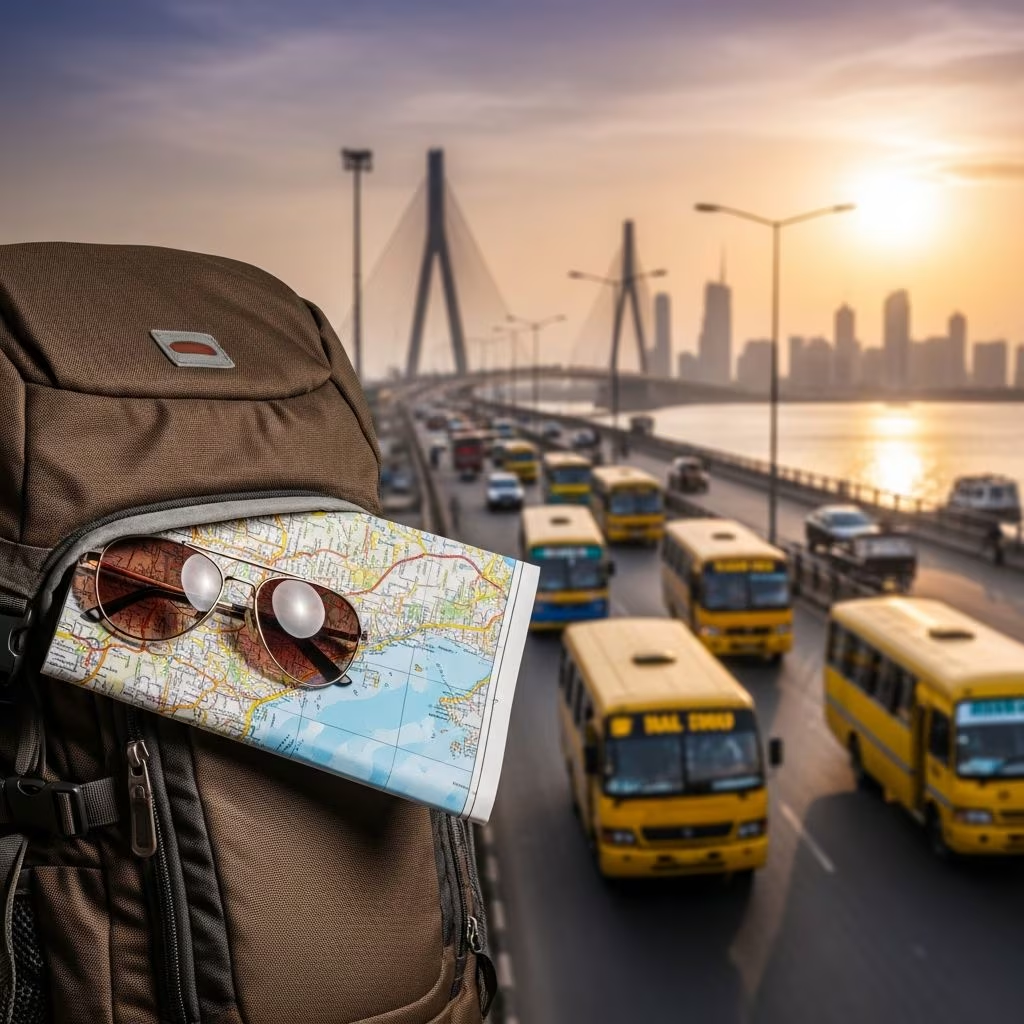
The city divides into two primary zones: Lagos Island and Lagos Mainland, connected through several bridges that serve as crucial transportation corridors. The Island represents the newer, more cosmopolitan section featuring modern infrastructure, upscale accommodations, and premium dining establishments. Most international visitors concentrate their activities here, finding familiar amenities alongside authentic experiences. The Mainland, while more sprawling and traditionally residential, offers genuine cultural immersion and lower price points for budget-conscious travelers.
Your accommodation choice significantly influences your overall experience. Staying on the Island provides proximity to tourist attractions and established tourist infrastructure, though expect higher costs for hotels, restaurants, and services. The Mainland offers more authentic encounters with local life and substantially reduced expenses, though transportation to Island attractions requires additional planning and time.
Securing proper documentation represents your first essential step. Nigeria requires most international visitors to obtain a visa prior to arrival, though certain nationalities qualify for visa-on-arrival programs. Apply for your visa well in advance through the appropriate Nigerian embassy or consulate in your country, as processing times vary considerably depending on your location and current demand volumes.
Beyond your passport, vaccination records warrant careful attention. The Centers for Disease Control and Prevention recommends yellow fever vaccination for travelers to Nigeria, and proof of vaccination is required for entry into several countries if you travel onward from Lagos. Additionally, ensure routine vaccinations remain current, including measles, tetanus, and hepatitis protection. Carry comprehensive travel insurance that covers medical evacuation, as healthcare services in Lagos, while available, may not meet standards familiar to visitors from developed nations.
The Nigerian Naira (₦) serves as the official currency, with exchange rates fluctuating based on international oil markets and economic conditions. Major airports maintain money exchange bureaus offering reasonable rates upon arrival, eliminating the necessity to exchange funds before traveling. However, exchange rates at airport facilities typically prove slightly less favorable than rates available in the city proper at established banks and licensed exchange houses.
Withdraw naira from ATMs rather than exchanging large sums upfront, as this provides better rates and reduces the burden of carrying substantial cash. Credit cards receive acceptance at major hotels, restaurants, and shopping centers, though many local establishments operate cash-only. Maintaining a mix of payment methods and modest cash reserves ensures flexibility throughout your stay.
Transportation presents one of Lagos’s most challenging aspects for visitors. The city’s congestion is legendary, with rush hours creating gridlock that can extend even short distances into hour-long journeys. If you visit during December—locally known as “Detty December”—when diaspora communities return home for holidays, traffic intensifies dramatically throughout the month.
Rather than renting vehicles and navigating independently, engage reliable transportation services or hire drivers familiar with city routes. Ride-sharing applications operate effectively within Lagos, offering convenient booking through smartphones and transparent pricing. Alternatively, arrange transportation through your hotel concierge, which guarantees vetted drivers and proper insurance coverage. When using any taxi service, verify license plates and driver identification before entering vehicles.
Time your activities strategically around traffic patterns. Major congestion occurs during morning rush hours (6-10 AM) and evening rush hours (4-8 PM) on weekdays. Planning non-essential travel outside these windows dramatically improves your movement efficiency throughout the city.
Lagos experiences tropical weather year-round, with consistently high temperatures and humidity creating a challenging environment for visitors accustomed to cooler climates. The dry season (November through March) presents more comfortable conditions with reduced rainfall, while the rainy season (April through October) brings intense downpours that often worsen traffic conditions. Plan indoor activities during peak rainy periods and pack waterproof gear regardless of season.
Sun protection proves essential even for brief outdoor exposure. Apply high-SPF sunscreen regularly and reapply after water contact or heavy perspiration. Lightweight, breathable clothing in natural fibers helps manage the intense heat, while hat and sunglasses provide additional protection during daytime exploration.
English serves as Nigeria’s official language, ensuring you can conduct most transactions and interactions in English. However, Lagos’s indigenous population speaks Yoruba extensively, and you’ll hear this language throughout daily life. Additionally, the city hosts migrants from across Nigeria speaking Igbo, Hausa, and numerous other languages, creating a multilingual environment.
Learning basic Yoruba greetings and courtesies demonstrates respect and often opens friendly interactions with locals. Simple phrases like “Bawo?” (How are you?) and “Obrigado” (Thank you) enhance your cultural engagement. Most service industry professionals in tourist areas communicate comfortably in English, though patience and clear communication benefit all parties.
Lagos’s food scene reflects Nigeria’s diverse heritage and contemporary cosmopolitan influences. Essential dishes worth experiencing include suya (grilled spiced meat), jollof rice, and various swallow preparations (starch-based sides like fufu or eba served with soups). Street food represents some of the city’s most authentic and affordable cuisine, though assess vendor hygiene practices before purchasing.
Many dishes incorporate considerable spice, potentially challenging visitors unaccustomed to fiery flavors. Communicate clearly regarding spice preferences when ordering, and sample cautiously if your tolerance for heat remains uncertain. Vegetarian options exist but require explicit specification, as traditional Nigerian cuisine emphasizes meat and fish-based proteins. Tap water safety remains questionable; purchase bottled water or request filtered water at established establishments.
Lagos experiences periodic power interruptions despite being Nigeria’s most developed city. Hotels typically maintain backup generators and inverters, ensuring consistent power for guest comfort. Guesthouses and Airbnb accommodations vary significantly in their infrastructure resilience. When booking private accommodations, inquire specifically about backup power systems and read reviews from previous guests regarding reliability.
Water supply fluctuations similarly affect accommodation quality. Establish whether your lodging maintains consistent water pressure and whether water quality issues have appeared in guest reviews. Hotels generally provide superior water infrastructure compared to residential properties.
Nigerians generally display warmth and hospitality toward visitors, though understanding social expectations smooths interactions considerably. Greetings matter significantly in Nigerian culture—brief acknowledgment establishes respect and rapport. When entering shops or restaurants, greet staff before conducting transactions, as this acknowledgment signals courtesy.
Dress codes vary by context. While Lagos displays cosmopolitan attitudes toward clothing, modest dress in traditional neighborhoods and religious spaces demonstrates respect. Religious sites require specific dress codes; remove shoes before entering certain spaces and cover shoulders and legs appropriately.
Bargaining occurs in markets and informal settings, with negotiation expected as part of the transaction process. However, prices at established shops and restaurants remain fixed. Never photograph individuals without explicit permission, as many Nigerians maintain concerns about image usage.
While Lagos carries a reputation for crime, millions of residents live safely through practical awareness and sensible precautions. Avoid displaying valuable items including expensive jewelry, cameras, and electronics. Keep portable devices and wallets secure and out of sight. Use hotel safes for documents and excess cash rather than carrying them throughout the day.
Arrange airport pickup through your hotel or established services rather than negotiating independently with unknown taxi drivers. Traveling with companions, especially after dark, enhances personal security. Avoid isolated areas at night and use established restaurants and entertainment venues in well-populated areas.
Certain neighborhoods experience higher crime rates; your hotel concierge can identify areas to avoid and recommend safe routes for your intended activities. Emergency services exist but may respond slowly; maintain copies of important documents and contact information for your embassy.
Lagos offers diverse experiences across cultural, natural, and entertainment domains. The Lekki Conservation Centre provides serene respite with nature trails and wildlife encounters. The Nike Centre for Art and Culture showcases contemporary Nigerian artwork and traditional crafts. Tarkwa Bay Beach offers coastal relaxation and water sports opportunities. Lagos Beaches present stunning ocean vistas ideal for swimming, though swim in designated areas with proper safety supervision.
Freedom Park, located in a restored colonial prison building, provides historical context and contemporary cultural programming. The Makoko floating community offers authentic glimpses into informal settlement life, though visit respectfully and consider hiring local guides who ensure cultural sensitivity and appropriate compensation.
Register with your embassy before departing your home country. Maintain updated emergency contact information and ensure someone knows your itinerary and accommodation details. Download offline maps of Lagos, as internet connectivity occasionally falters in certain areas. Establish communication plans with family, specifying check-in times and reliable contact methods.
Arrive with flexibility and patience—Lagos operates on its own timeline, and rigidity regarding schedules creates frustration. Embrace spontaneity and remaining open to unexpected experiences, as these often produce the most memorable moments. Connect with local residents who typically display genuine interest in sharing their city with respectful visitors.
