

 Travel Essentials
 Travel Essentials

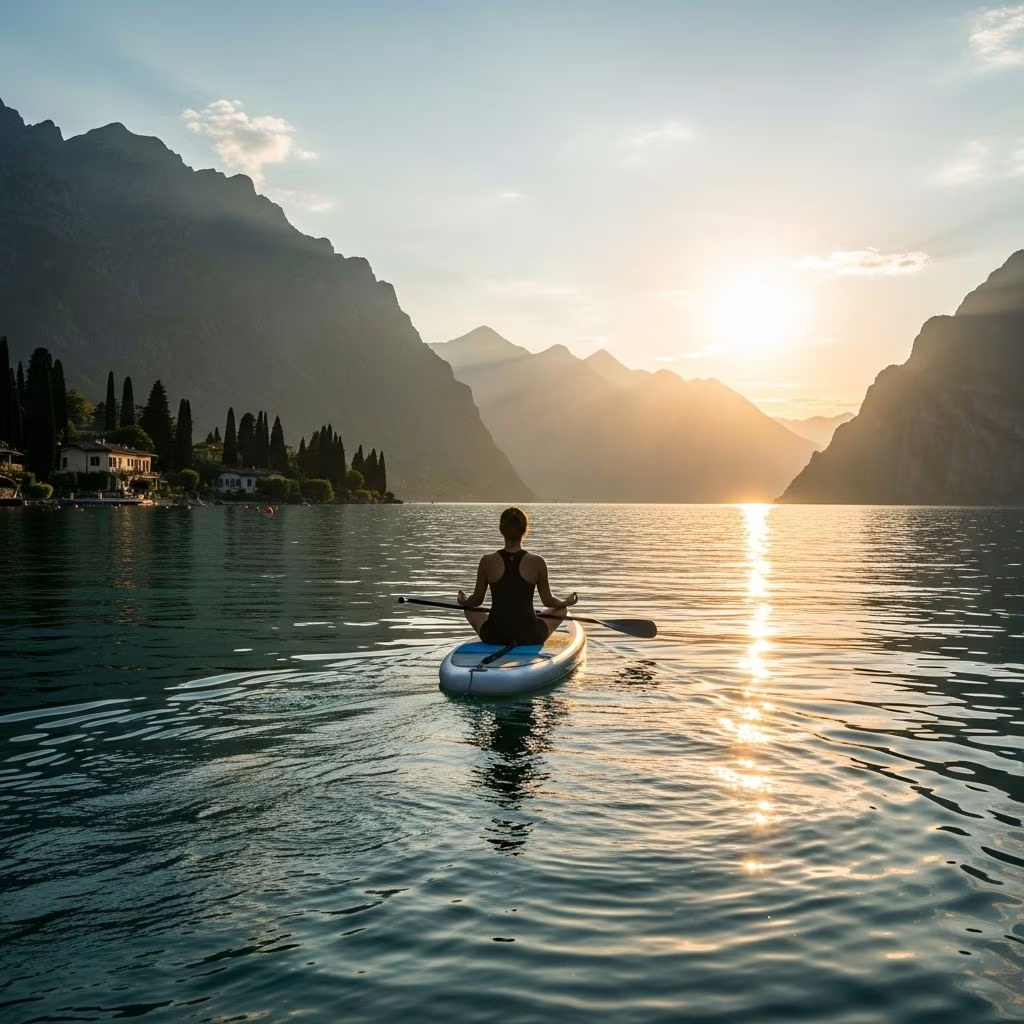
Explore the therapeutic power of wellness retreats at Lake Garda. Learn how mindfulness, nature, and holistic practices create lasting personal transformation and renewed vitality.
 Travel Essentials
In today’s hyperconnected world, the constant stream of notifications, deadlines, and responsibilities creates a psychological burden that many of us carry silently. The pressure to maintain productivity while managing emotional complexities leaves countless individuals feeling mentally exhausted and spiritually disconnected. For those seeking genuine restoration beyond conventional relaxation, wellness retreats offer a pathway toward meaningful personal transformation. Nestled in the dramatic landscape of northern Italy, Lake Garda serves as an ideal setting for such journeys, combining natural beauty with world-class therapeutic facilities designed to facilitate deep healing and self-discovery.
The contemporary wellness industry has evolved significantly beyond simple spa treatments. Modern retreats recognize that genuine restoration requires a comprehensive approach addressing physical, mental, and emotional dimensions simultaneously. This holistic philosophy integrates evidence-based therapeutic practices with ancestral wellness traditions, creating synergistic effects that conventional approaches often miss. The rise of retreat-based wellness reflects a growing awareness that sustainable personal transformation requires dedicated time away from daily stressors, combined with professional guidance and structured support systems.
The effectiveness of wellness retreats lies in their ability to create protected environments where participants can safely explore their inner landscape without external interruptions. Unlike day-spa experiences or home-based wellness routines, immersive retreat settings provide the continuity and depth necessary for meaningful psychological shifts. When combined with natural settings—particularly those featuring water elements and mountainous terrain—the therapeutic potential amplifies considerably. Lake Garda’s geographic characteristics, situated between Alpine foothills and Mediterranean climate zones, create an environment that facilitates both grounding and inspiration.
Transformative wellness retreats begin with comprehensive assessment processes that honor individual differences in health status, emotional patterns, and wellness objectives. Rather than applying generic protocols, sophisticated retreat centers conduct detailed intake evaluations examining sleep quality, stress manifestations, nutritional habits, and underlying emotional dynamics. This diagnostic phase serves multiple functions: it gathers essential baseline information, establishes therapeutic rapport between guests and practitioners, and creates a foundation for customized programming that addresses specific needs.
The assessment process typically includes consultations with medical professionals trained in both conventional and integrative medicine. These practitioners review personal health history, current symptoms, lifestyle patterns, and wellness aspirations to develop individualized protocols. This personalized approach ensures that each participant receives treatments and activities specifically calibrated to their unique circumstances, rather than experiencing a one-size-fits-all program. The psychological benefit of this customization extends beyond treatment efficacy—it communicates genuine care and recognition of one’s individuality, factors that significantly enhance the retreat experience.
Central to most comprehensive wellness retreats are practices designed to recalibrate the nervous system and restore conscious connection with the physical body. Breathwork represents one of the most accessible yet profoundly effective modalities for achieving this recalibration. Conscious breathing practices activate the parasympathetic nervous system, the physiological mechanism responsible for rest, recovery, and emotional regulation. When practiced in natural outdoor settings—particularly in gardens designed specifically to support meditative awareness—breathing exercises become multisensory experiences that engage sight, sound, smell, and proprioceptive awareness simultaneously.
Movement practices including yoga, Pilates, and energy-focused exercises serve complementary functions in the wellness journey. These modalities develop body awareness, release accumulated physical tension, and create opportunities for experiencing joy and vitality in the physical form. Guided practices conducted in panoramic settings overlooking natural landscapes enhance the psychological benefits by connecting bodily awareness with environmental awareness. The combination of structured movement, conscious breathing, and natural beauty creates states of flow where mental chatter naturally diminishes and present-moment awareness naturally emerges.
While relaxation constitutes an important component of retreat experiences, sophisticated spa treatments serve deeper therapeutic functions. Specialized massages, water-based therapies, and energy-work sessions address specific physical and emotional patterns. Techniques drawing from Traditional Chinese Medicine—such as meridian-based massage and shiatsu—work with the body’s energetic systems to promote circulation, release blocked emotions, and restore vital life force. Water-based therapies exploit the unique properties of warm mineral-rich waters, creating weightless environments where the body can release chronic tension patterns.
The immersive quality of advanced spa treatments—often conducted in specially designed environments with controlled lighting, temperature, and sensory atmospheres—facilitates profound relaxation states that extend beyond the treatment session. When guests experience genuine physical release during therapeutic bodywork, this often accompanies emotional release as well. Feelings, memories, and psychological patterns stored in muscular and connective tissue frequently emerge during deep tissue work, providing opportunities for processing and integration. This somatic dimension of spa work explains why authentic wellness retreats produce psychological benefits that traditional spa visits typically do not generate.
Transformative retreat experiences incorporate specialized nutrition programs that view food as therapeutic intervention rather than mere sustenance. Rather than restrictive diets or intensive cleanses, sophisticated programs emphasize mindful eating practices and nutrient-dense preparations that support the body’s natural detoxification and renewal processes. Guided foraging activities—exploring retreat grounds to identify and harvest edible herbs and botanicals—combine physical activity with educational engagement and sensory activation.
Meals prepared specifically for retreat participants incorporate therapeutic principles from multiple culinary traditions, emphasizing whole foods, seasonal ingredients, and preparation methods that maximize nutritional vitality. When dining occurs in contemplative settings with attention to flavor, aroma, and texture, eating becomes a meditative practice that nourishes not only the body but also psychological well-being. Cooking classes conducted by professional chefs provide participants with practical knowledge enabling them to continue therapeutic eating practices after returning home, extending the retreat’s benefits into daily life.
World-class wellness facilities recognize that the physical environment profoundly influences therapeutic outcomes. Intentional design incorporates elements that support different therapeutic functions: vast spa complexes featuring multiple pool types, sauna variations, steam rooms, and temperature-contrast therapies; dedicated meditation and yoga spaces oriented toward natural light and panoramic views; gardens designed to stimulate sensory awareness and facilitate grounded presence; relaxation zones positioned to maximize views of natural landscapes.
The scale of comprehensive wellness facilities—often spanning thousands of square meters—enables simultaneous accommodation of diverse guest preferences and therapeutic modalities. Some guests may engage in structured activities while others practice solitude; some prefer vigorous fitness training while others embrace gentle, restorative approaches. This design flexibility respects individual variation in wellness journeys and prevents the experience from feeling regimented or prescriptive. The integration of natural materials, water features, and access to outdoor environments within facility design maintains connection to natural cycles even during indoor activities.
Wellness retreats navigate the tension between social connection and personal introspection by creating flexible structures that honor both needs. Shared activities build community among participants while individual treatments and personal practice time provide necessary solitude for internal work. This balanced approach recognizes that meaningful personal transformation often emerges in dialogue with others undergoing similar journeys, yet also requires periods of quiet self-reflection without social demands.
The composition of retreat participants influences the overall experience significantly. Communities comprising predominantly local seekers often maintain different cultural norms than internationally diverse groups. Italian wellness retreat traditions, for example, emphasize balance between restoration and enjoyment—embracing both meditative practices and the pleasures of fine cuisine, natural beauty, and leisurely social engagement. This philosophical orientation contrasts with more austere wellness approaches that emphasize deprivation as purification. Retreats embodying this balanced philosophy prove more sustainable and psychologically beneficial for many participants than those promoting extreme restriction.
The true measure of retreat effectiveness lies not in the immediate experience but in lasting behavioral and psychological changes evident weeks and months afterward. Sophisticated retreat centers provide integration support through follow-up practices, take-home resources, and guidance for maintaining therapeutic gains. Participants receive practical tools enabling continuation of beneficial practices within home environments and work contexts. This integration focus acknowledges that retreat experiences represent beginning points rather than endpoints in wellness journeys.
The neuroplasticity research demonstrates that sustained behavioral change requires repetition and environmental support. Retreat experiences create powerful neural patterns through intensive immersion, yet these patterns require reinforcement through continued practice to become stable and automatic. Participants who maintain meditation practices, continue specialized nutrition approaches, and regularly practice breathwork techniques show significantly greater long-term benefits than those who discontinue practices upon returning home. Effective retreat programs prepare participants for this reality by teaching sustainable practices and realistic expectations rather than promising permanent transformation based on week-long experiences.
Selecting an appropriate wellness retreat requires honest self-assessment regarding specific needs, learning preferences, and realistic expectations. Different retreat centers emphasize varying modalities—some focus on intensive detoxification, others emphasize emotional processing, while still others prioritize fitness and longevity. Examining program philosophies, therapeutic staff credentials, facility amenities, and participant testimonials provides essential information for informed decision-making.
Consider these factors when evaluating retreat options:
Wellness retreats, particularly those set in naturally beautiful locations like Lake Garda and designed with genuine therapeutic sophistication, offer opportunities for meaningful personal transformation that rarely emerge through conventional life patterns. The combination of professional therapeutic support, structured practices, natural beauty, freedom from daily obligations, and immersion in wellness-focused community creates conditions for significant psychological and spiritual growth.
The benefits typically extend far beyond the retreat period itself. Participants report sustained improvements in stress resilience, emotional clarity, and life satisfaction months after completing programs. Many describe shifts in life priorities, renewed capacity for joy, and transformed relationships with their bodies and inner selves. While individual results vary based on personal engagement and subsequent lifestyle choices, the retreat experience establishes new neural patterns and psychological capacities that persist when properly maintained.
For those navigating the accumulated stress, emotional complexity, and sense of disconnection characteristic of modern life, investing time and resources in immersive wellness experiences represents a powerful act of self-care and self-respect. Such retreats communicate that your well-being matters, your restoration matters, and taking dedicated time for your own healing and growth constitutes a worthy use of resources and attention. In cultures that systematically devalue rest and introspection, this simple acknowledgment itself carries transformative power.
