

 Travel Essentials
 Travel Essentials

Discover Lake Powell's remote beauty, water recreation opportunities, camping on pristine beaches, and exceptional stargazing experiences in Glen Canyon.
 Travel Essentials
Nestled across the Arizona-Utah border, Lake Powell stands as one of North America’s most spectacular natural attractions, combining crystalline waters with dramatic desert landscapes. This massive reservoir stretches across more than 1,960 miles of jagged shoreline when at full capacity, creating an intricate network of canyons, beaches, and hidden coves that rival many coastal destinations in terms of scenic beauty and recreational diversity. Whether you seek adventure on the water, solitude in remote backcountry, or opportunities to witness the cosmos in pristine conditions, Lake Powell delivers an unforgettable experience that captures the essence of the American Southwest.
Lake Powell represents the second-largest human-made reservoir in the United States, created by the completion of Glen Canyon Dam in the 1960s. The sheer magnitude of this water body becomes apparent when examining its dimensions. The extensive shoreline measurement of approximately 1,960 miles exceeds the combined coastlines of California, Oregon, and Washington, providing visitors with seemingly endless opportunities for exploration and discovery.
The lake encompasses 96 distinct side canyons alongside hundreds of smaller coves and bays, each presenting unique geological formations and recreational opportunities. This complex geography makes Lake Powell fundamentally different from traditional lakes accessed by surrounding roadways. Instead, approximately 90 percent of the shoreline remains inaccessible by vehicle, requiring water-based transportation to reach the most remarkable destinations and hidden natural wonders.
The diverse recreational opportunities available at Lake Powell attract millions of visitors annually who engage in various water-based activities suited to different interests and skill levels:
The houseboating culture at Lake Powell maintains particularly strong roots, with families planning annual summer excursions aboard floating accommodations. These vessels provide comfortable bases for multi-day explorations of remote areas while offering modern amenities and sleeping arrangements for extended stays. The diversity of recreational options means that visitors of varying ages and physical abilities can find activities matching their preferences and comfort levels.
Lake Powell’s canyon systems represent some of the most visually striking environments in North America, featuring towering sandstone cliffs, narrow slot canyons, and colorful geological strata accumulated over millions of years. The region’s distinctive geology stems from the Colorado Plateau’s complex tectonic and erosional history, with multiple layers of sedimentary rock creating dramatic visual contrasts.
Notable canyon destinations accessible only by water include Labyrinth Canyon and Antelope Canyon, distinct from the more famous Antelope Canyon accessible by vehicle. These water-level slot canyons require navigating vessels through passages barely wider than kayaks, creating intimate experiences with geological formations that tower overhead. The interplay of light and shadow within these narrow passages produces photographic opportunities and sensory experiences impossible to obtain elsewhere.
The sandstone formations display varying colors from deep rust to pale tan, creating visual variation as lighting conditions shift throughout the day. Early morning and late afternoon light particularly accentuates these color variations and textural details, making these times optimal for photography and visual appreciation of the landscape’s aesthetic qualities.
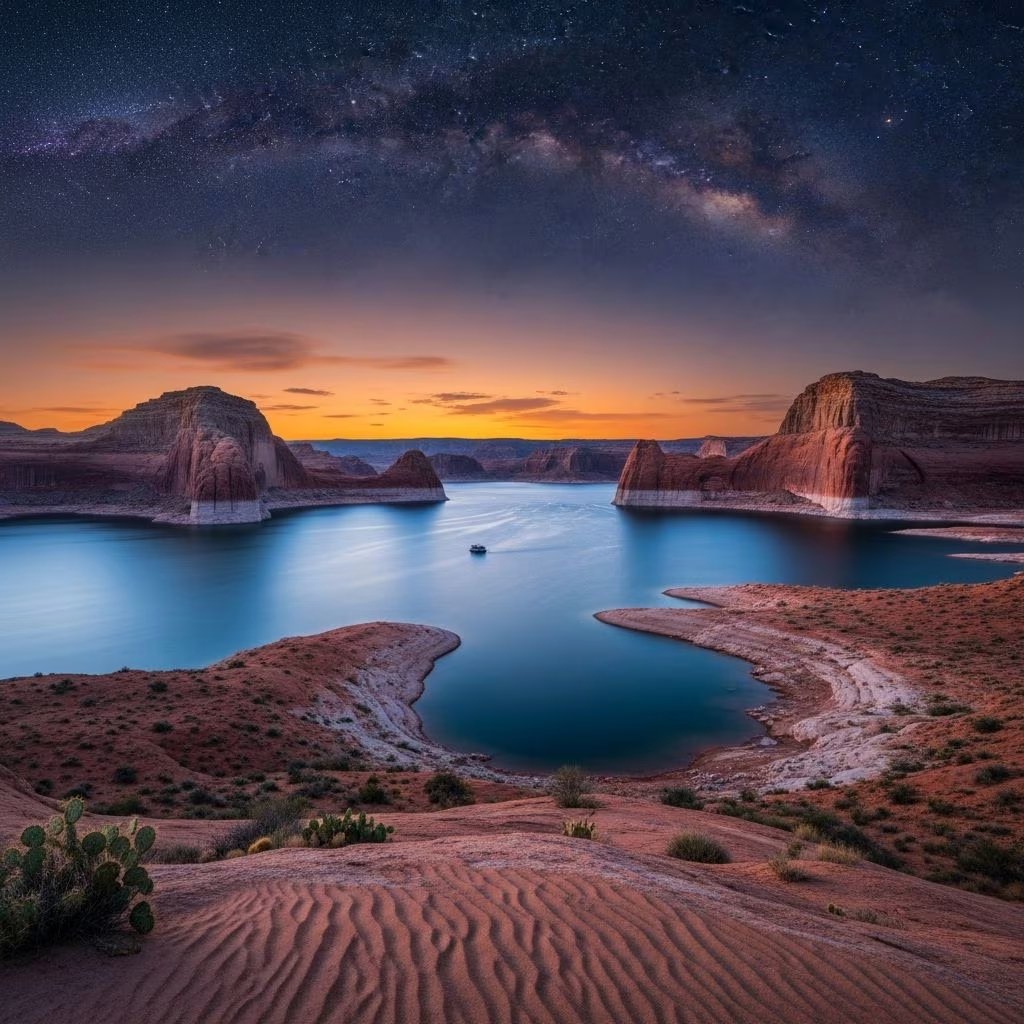
Glen Canyon National Recreation Area was officially designated as an International Dark Sky Park in 2018, positioning Lake Powell among the finest stargazing destinations in the continental United States. This designation recognizes the area’s exceptional conditions for astronomical observation, resulting from the combination of minimal light pollution and clear desert air conditions.
On cloudless nights, observers can witness the entire Milky Way stretching from horizon to horizon, displaying the galactic core with striking clarity and detail. The absence of artificial lighting allows human eyes to reach their maximum sensitivity to faint celestial objects, revealing star fields and nebulae invisible from locations affected by light pollution. Seasonal variations provide opportunities to observe different constellations and celestial events throughout the year, making return visits rewarding for astronomy enthusiasts.
The dark sky conditions complement the dramatic landscape features, creating compositional opportunities for astrophotography enthusiasts. Foreground elements including distinctive rock formations like Gunsight Butte combine with celestial subjects to produce compelling imagery that captures both terrestrial and cosmic beauty. Many photographers travel specifically to Lake Powell during favorable astronomical events or seasons known for optimal viewing conditions.
One of Lake Powell’s most appealing features for budget-conscious travelers involves the availability of primitive camping on virtually any beach throughout the lake on a first-come, first-served basis. This arrangement provides opportunities for experiencing the landscape intimately while minimizing camping expenses and facilitating spontaneous itinerary changes during multi-day excursions.
Primitive camping requires visitors to bring essential supplies including adequate fresh water, food provisions, and shade protection devices such as tarps or umbrellas. The desert environment offers minimal natural shelter and limited shade vegetation, necessitating preparedness for intense sun exposure and elevated temperatures, particularly during summer months.
Visitors traveling via watercraft must comply with environmental regulations requiring either built-in waste facilities or portable toilet systems with complete removal of human waste products. Pet owners similarly bear responsibility for collecting and removing animal waste, ensuring minimal environmental impact on sensitive desert ecosystems. These requirements reflect commitment to preserving the pristine conditions that define the Lake Powell experience.
Lake Powell and Glen Canyon National Recreation Area attract substantial visitor populations, with 2023 visitor counts reaching 5.2 million people annually. This figure surpassed attendance at renowned Zion National Park, demonstrating the destination’s powerful appeal to diverse visitor demographics. Visitor numbers fluctuate seasonally, with peak periods occurring during summer months when water temperatures reach comfortable levels and weather conditions optimize outdoor recreation opportunities.
Despite hosting millions of annual visitors, the expansive geography and remote accessibility of most shoreline areas allow visitors to encounter substantial solitude and tranquility. The 90-percent water-inaccessible shoreline effectively distributes visitor populations across enormous areas, preventing overcrowding at most locations. Visitors willing to venture beyond immediately accessible areas often discover complete isolation, pristine beaches, and unchanged natural environments seemingly untouched by human presence.
Successful Lake Powell experiences require thoughtful preparation accounting for the environment’s unique characteristics and remote nature:
| Consideration | Details |
|---|---|
| Water and Hydration | Carry abundant fresh water supplies; desert heat accelerates dehydration rates significantly |
| Navigation Equipment | GPS devices, maps, and communication devices essential for remote areas with limited cell service |
| Sun Protection | High-SPF sunscreen, protective clothing, hats, and sunglasses prevent severe burns from intense UV exposure |
| Boat Requirements | Fuel capacity, maintenance supplies, and safety equipment must accommodate multi-day remote excursions |
| Food Provisions | Non-perishable food items withstand heat exposure better than fresh foods |
Lake Powell’s water levels fluctuate significantly based on precipitation patterns in the Colorado River basin and regional drought conditions. Historical elevation averages rest around 3,639 feet, though current conditions reflect substantially lower water levels than optimal full-pool capacity. Present water volume stands approximately at 32 percent of full pool capacity, affecting accessible shoreline length and creating different aesthetic and recreational conditions compared to historical periods.
Water level variations influence beach accessibility, canyon configurations, and navigation routes. Lower water levels expose additional beaches and create new visual perspectives on canyon formations previously submerged. Conversely, higher water levels flood additional side canyons and enhance boating accessibility to certain regions, providing different recreational opportunities depending on seasonal conditions.
Preserving Lake Powell’s pristine conditions for future generations requires visitors to adopt responsible environmental practices throughout their stays. Proper waste management, including removal of all trash and human waste products, protects water quality and prevents ecological degradation. Minimizing disturbance to wildlife and respecting designated protected areas ensures that native species continue thriving within their natural habitats.
Visitors should refrain from collecting geological specimens, archaeological artifacts, or biological materials, leaving landscapes in original conditions for subsequent visitors to experience. Limiting group sizes and avoiding high-impact activities in sensitive areas demonstrates commitment to environmental preservation and ensures that remote locations maintain their wilderness character and ecological integrity.
What months offer optimal visitation conditions? Spring and fall provide comfortable temperatures, reduced heat intensity, and excellent visibility for both water recreation and stargazing. Summer months bring peak temperatures but clear skies, while winter conditions can be variable and less suitable for many activities.
Can visitors access Lake Powell without personal watercraft? Yes, charter services and tour operators provide guided experiences for those without personal boats. Multiple marinas offer equipment rentals including houseboats, fishing boats, and personal watercraft.
What camera equipment works best for astrophotography at Lake Powell? Wide-angle lenses with large apertures (f/2.8 or wider), high ISO capability, and full-frame sensors produce optimal results for capturing Milky Way images with terrestrial foreground elements.
Are there safety concerns for remote beach camping? Remote locations pose challenges including limited emergency services access, extreme temperature variations, and wildlife encounters. Visitors should file float plans with authorities, carry first aid supplies, and maintain communication devices.
