

 Travel Essentials
 Travel Essentials

Complete guide to visiting Lake Saimaa in southeastern Finland, featuring outdoor activities, wildlife encounters, local cuisine, and seasonal experiences.
 Travel Essentials
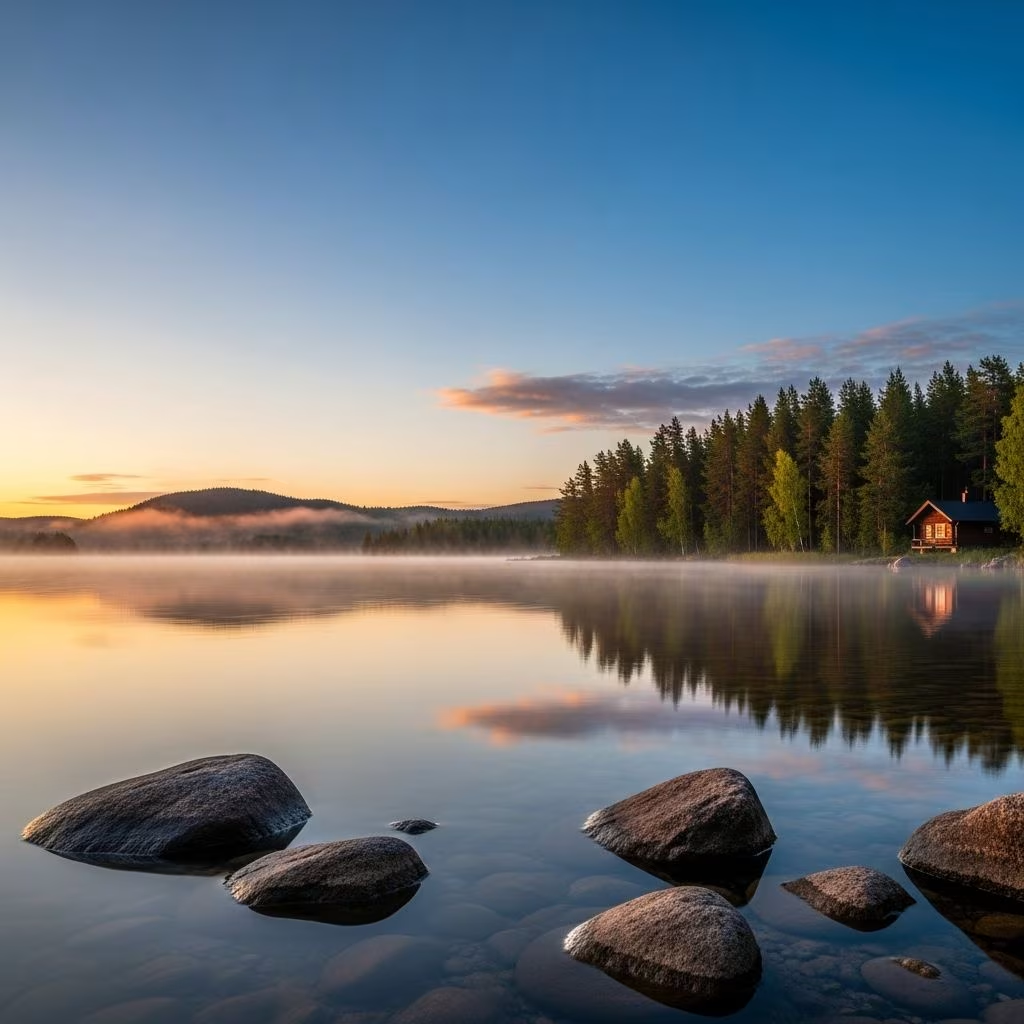
Nestled in southeastern Finland, Lake Saimaa represents one of Europe’s most captivating natural destinations, offering visitors an authentic glimpse into Nordic wilderness and Finnish culture. This extensive freshwater lake system, formed by glacial activity over 10,000 years ago, creates a labyrinthine landscape that attracts nature enthusiasts, adventure seekers, and cultural explorers throughout the year. The region encompasses charming towns including Mikkeli, Savonlinna, and Varkaus, each contributing unique character and attractions to the broader Saimaa experience.
Lake Saimaa holds the distinction of being Finland’s largest lake and Europe’s fourth-largest freshwater lake system. The lake encompasses approximately 15,000 islands scattered across its surface, creating a complex network of waterways that span roughly 15,000 kilometers of shoreline—among the world’s longest lake coastlines relative to water body size. This intricate geography stems from the region’s ice-age history, when massive glacial movements sculpted the landscape into the distinctive archipelago visible today.
The Saimaa UNESCO Global Geopark preserves this remarkable geological heritage, showcasing ancient rock formations and glacial landscapes that tell the story of millennia of natural transformation. The region also encompasses several national parks, including Linnansaari and Kolovesi in the Savonlinna area, offering protected spaces where visitors can experience pristine nature while supporting conservation efforts.
Perhaps the most compelling reason to visit Lake Saimaa is the opportunity to encounter the Saimaa ringed seal, one of the world’s rarest marine mammals found nowhere else on Earth. This endangered species has inhabited these waters for thousands of years, adapting to life in freshwater rather than salt water—a characteristic that distinguishes them from all other seal populations globally. The seals typically weigh between 40-90 kilograms and display distinctive ring-patterned markings across their fur.
The optimal period for seal observation occurs during late spring and early summer, following the ice melt when seals emerge to bask on rocks. Visitors seeking encounters with these elusive creatures should participate in guided eco-tourism expeditions led by knowledgeable professionals who maintain appropriate distances and prioritize animal welfare. Popular seal-watching routes include journeys through Linnansaari National Park, where experienced guides share insights about seal behavior and ecology without disturbing their natural activities.
Organizations managing these tours emphasize sustainable practices that balance tourism with species protection, ensuring that seal populations remain stable while allowing visitors meaningful wildlife experiences. The rarity of sightings makes each encounter particularly special, creating memorable moments that connect travelers with Finland’s unique biodiversity.
Lake Saimaa’s location and climate create distinct seasonal opportunities for outdoor recreation, with activities varying dramatically across the year. The region functions as a multifaceted recreation destination regardless of season.
During warmer months, the lake transforms into an aquatic playground for water sports enthusiasts. Kayaking and canoeing through the archipelago allows visitors to navigate narrow waterways between islands, discovering hidden coves and secluded beaches. Paddleboarding offers a more leisurely way to explore the calm waters, while swimming in the pure lake attracts those seeking refreshment in crystalline waters. Cycling along scenic routes connecting lakeside communities provides alternative perspectives on the landscape, with dedicated paths offering views of forests, wetlands, and distant water vistas.
Hiking trails crisscross the region, ranging from gentle walks suitable for families to challenging routes for experienced trekkers. The Punkaharju Ridge, a distinctive geological formation rising prominently from the landscape, offers particularly rewarding hiking with panoramic views extending across the lake system. Summer also represents peak season for forest foraging, with local guides leading expeditions to gather mushrooms, berries, and wild herbs that form the foundation of regional cuisine.
Winter transforms Lake Saimaa into a distinctly different but equally compelling destination. When ice thickens sufficiently, the frozen lake surface becomes accessible for ice skating, snowshoeing, and cross-country skiing. The phenomenon of ice swimming—immersing oneself briefly in frigid water before returning to heated saunas—represents an iconic Finnish winter tradition that growing numbers of international visitors wish to experience.
Snowshoeing through forests blanketed in white reveals winter ecology and wildlife tracks in the snow. The season also offers unique opportunities for seal observation, as ringed seals breathe through ice holes and sometimes rest on frozen surfaces. Winter’s longer darkness brings opportunities for northern lights viewing, though Lake Saimaa’s southern position means aurora visibility remains less predictable than in far northern Finland.
Beyond natural attractions, Lake Saimaa’s cultural landscape enriches visitor experiences through historical architecture and artistic traditions. Olavinlinna Castle, situated in Savonlinna, represents a medieval fortress dating from the 15th century, standing dramatically on an island within the lake itself. This fortress hosts the renowned Savonlinna Opera Festival, drawing international audiences for performances staged within the castle’s atmospheric stone walls.
The region supports additional cultural institutions including the Lusto Finnish Forest Museum, which interprets Finland’s forest heritage through interactive exhibits and displays. These venues complement the Mikkeli Music Festival, which celebrates musical traditions during summer months. The Imatranajo motorcycle races bring adrenaline-fueled excitement to the calendar, attracting motorsports enthusiasts from across Europe.
The Lake Saimaa region’s cuisine reflects the principle that food should draw directly from available natural resources—fish from glacial waters, mushrooms and berries from ancient forests, and produce from local farms. This farm-to-table philosophy has attracted Michelin-starred chefs and elevated the region into a respected culinary destination.
Vendace (Muikku) represents the region’s most iconic local delicacy—small whitefish pulled from Saimaa’s cold, pure waters and typically prepared fried whole with crispy tails attached. This humble fish captures the authentic taste of the lake and has been consumed by local populations for centuries.
Wild mushroom gathering occurs seasonally, with foragers venturing into forests to collect species including porcini and chanterelles. Karelian culinary traditions, with recipes passed through generations, feature prominently in regional restaurants. Specialty tea houses serve herbal infusions crafted from locally foraged botanicals, while farm-to-table restaurants emphasize seasonal menus reflecting current harvests.
The Sahanlahti Resort, located on Saimaa’s shores near Puumala, exemplifies the region’s gastronomic approach—a family-operated establishment in a restored watermill serving meals highlighting surrounding landscape ingredients. Tertti Manor and Wehmais Tea House complete a gastronomy circuit showcasing the region’s food culture diversity. These establishments often provide foraging experiences or cooking classes, allowing visitors to participate directly in ingredient collection and preparation.
Accommodation throughout the Lake Saimaa region ranges from luxury resorts to intimate cottages, accommodating various preferences and budgets.
Each season presents distinct advantages. Summer (June-August) offers warmest weather, maximum daylight hours, and complete accessibility to water-based activities. Spring (April-May) provides excellent seal-watching conditions as ice melts and seals bask on rocks. Autumn (September-October) delivers stunning landscape colors and milder temperatures suitable for hiking. Winter (December-February) appeals to those seeking northern experiences, though some activities become seasonally limited.
The region comprises several interconnected communities accessible by road, with scenic driving routes offering continuous lake views. The Puumala archipelago road, featuring 11 islands connected by bridges and a 24-hour free ferry service, demonstrates the region’s unique transportation infrastructure. Boat services connect various communities and provide access to islands and national parks. Cycling routes thread through lakeside landscapes, while walking trails emanate from most communities.
A meaningful visit requires minimum three to four days to experience primary attractions without excessive rushing. Week-long visits allow deeper exploration of multiple communities, extended hiking expeditions, and genuine cultural immersion. Seasonal considerations influence itinerary planning—summer visitors should prioritize water activities, while winter guests might emphasize saunas, cultural venues, and indoor food experiences.
| Activity | Summer | Autumn | Winter | Spring |
|---|---|---|---|---|
| Kayaking/Canoeing | ✓ Optimal | ✓ Good | ✗ Frozen | ✓ Good |
| Seal Watching | ✓ Good | ✓ Fair | ✓ Good | ✓ Optimal |
| Foraging | ✓ Optimal | ✓ Optimal | ✗ Limited | ✗ Limited |
| Hiking | ✓ Optimal | ✓ Optimal | ✓ Fair | ✓ Good |
| Sauna/Swimming | ✓ Optimal | ✓ Fair | ✓ Unique | ✓ Fair |
| Ice Activities | ✗ N/A | ✗ N/A | ✓ Optimal | ✗ Transition |
Sightings depend heavily on season, weather conditions, and luck. Late spring through early summer offers optimal chances, particularly during calm weather when seals bask on rocks. Guided tours maximize viewing probability by accessing prime seal locations, though sightings remain uncertain since these are genuinely rare animals. Most tours succeed in showing seals to at least some group members, though not all individuals may see them.
Ice swimming in the Lake Saimaa region occurs within controlled settings at established resorts with safety protocols, trained staff, and immediate sauna access for warming. Participants should understand the activity’s intensity and consult with organizers about health considerations. Those new to ice exposure should start with brief immersions and follow all safety guidance.
While vendace represents the signature fish, the region emphasizes mushroom-based dishes, wild berry preparations, and Karelian traditional recipes. Foraging culture permeates local cuisine, with chefs incorporating foraged herbs, mushrooms, and berries into seasonal menus. Farm-to-table principles dominate restaurant philosophies.
Yes, the region operates throughout all seasons, though activity options shift seasonally. Summer maximizes outdoor recreation options, while winter emphasizes cultural venues, thermal experiences, and specialized winter activities. Spring and autumn offer moderate conditions with fewer crowds.
Three to four days allows experiencing primary attractions without excessive rushing. Week-long visits enable deeper exploration, multiple community visits, and extended nature immersion. Even two-day rapid visits capture essential highlights for time-limited travelers.
The Saimaa ringed seal’s endangered status makes visitor behavior particularly consequential. Tourism revenue supports habitat protection and research funding, yet visitor presence requires careful management to minimize stress on seal populations. All guided eco-tours operating in the region implement sustainability protocols that prioritize species welfare. Visitors should respect distance guidelines, avoid sudden movements or loud noises, and support tourism operators demonstrating genuine conservation commitment rather than purely commercial interests.
Lake Saimaa represents far more than a geographic destination—it embodies a distinctive intersection of natural wonder, cultural authenticity, and ecological significance. The region’s complex landscape, rare wildlife, culinary traditions, and seasonal variations create a multifaceted travel experience appealing to diverse visitor interests. Whether pursuing outdoor adventures, cultural exploration, gastronomic experiences, or wildlife encounters, Lake Saimaa delivers memorable experiences reflecting authentic Finnish traditions and Nordic values. Strategic timing, proper preparation, and thoughtful activity selection ensure visits maximize personal satisfaction while supporting regional communities and conservation initiatives that preserve this remarkable landscape for future generations.
