

 Travel Essentials
 Travel Essentials

Explore Lake Yojoa, Honduras' largest lake nestled amid volcanoes and cloud forests. This guide covers activities, wildlife, accommodations, and tips for an unforgettable nature getaway.
 Travel Essentials
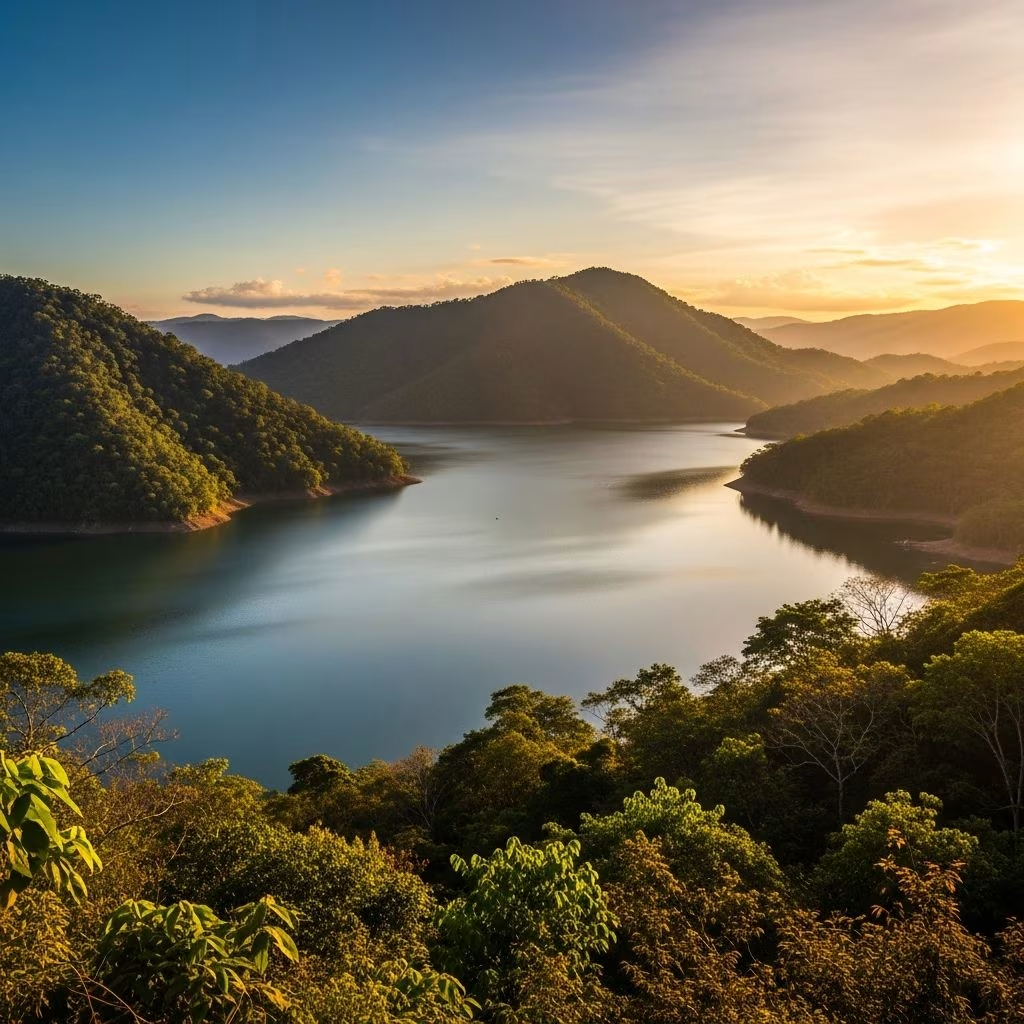
Honduras’ Lake Yojoa stands as the country’s premier natural wonder, covering 79 square kilometers in a volcanic basin framed by lush peaks. This expansive body of water, averaging 15 meters deep, offers a peaceful retreat for nature enthusiasts seeking biodiversity and adventure in one of Central America’s undervisited gems.
Lake Yojoa occupies a unique depression carved by ancient volcanic activity, encircled by cloud-shrouded mountains that create a misty, ethereal atmosphere. The lake’s formation ties into the region’s geological history, where tectonic shifts and eruptions shaped the dramatic landscape visible today. Its waters support a complex ecosystem, serving as a vital habitat for countless species amid Honduras’ diverse terrain.
The surrounding area blends tropical forests with highland meadows, fostering an environment where rare flora and fauna thrive. This biodiversity hotspot attracts scientists and travelers alike, highlighting the lake’s role in regional conservation efforts. Water levels fluctuate seasonally, influenced by heavy rains that replenish the basin from nearby rivers and streams.
Lake Yojoa boasts extraordinary biodiversity, with over 400 bird species recorded in the vicinity, including resplendent quetzals, kingfishers, and colorful hummingbirds. The cloud forests around the lake provide ideal conditions for these avian residents, making it a prime spot for ornithologists and casual observers.
Beyond birds, the region shelters howler monkeys, sloths, and a variety of reptiles amid its dense vegetation. The lake itself teems with freshwater fish like bass and tilapia, sustaining local fisheries. Conservation initiatives protect these habitats from encroachment, preserving the area’s natural splendor for future generations.
Visitors to Lake Yojoa immerse themselves in a range of outdoor pursuits tailored to different skill levels. Kayaking and paddleboarding glide across calm waters, offering panoramic views of the encircling peaks. For thrill-seekers, guided boat tours navigate hidden coves and reveal submerged volcanic features.
Hiking trails radiate from the lakeshore, leading to waterfalls like those at Pulhapanzak, where powerful cascades plunge into natural pools perfect for swimming. Mountain biking paths wind through forested slopes, providing exhilarating descents with rewarding vistas. Caving expeditions explore nearby limestone grottos filled with stalactites and ancient formations.
| Activity | Duration | Difficulty | Best For |
|---|---|---|---|
| Kayaking | 2-4 hours | Easy | Families, beginners |
| Hiking to Waterfalls | Half-day | Moderate | Adventure seekers |
| Birdwatching Tours | Full day | Easy | Nature lovers |
| Caving | 3-5 hours | Challenging | Experienced explorers |
The Lake Yojoa region shines through its farm-to-table cuisine, emphasizing fresh catches from the lake and produce from surrounding farms. Grilled tilapia, seasoned with local spices, headlines many menus, often served with plantains and rice. Traditional baleadas—tortillas stuffed with beans, cheese, and meats—offer portable street food favorites.
Agrotourism farms invite guests to pick coffee beans or tour pineapple plantations, culminating in meals prepared from harvested goods. Craft beers brewed with lake-filtered water pair perfectly with regional dishes, elevating dining to a sensory adventure. Markets brim with handmade cheeses and tropical fruits, providing picnic provisions for lake outings.
Lodging around Lake Yojoa ranges from eco-lodges to lakeside cabins, catering to various budgets and preferences. Properties like those directly on the water feature renovated rooms with verandas overlooking the lake, blending rustic charm with modern comforts. Free-standing cabins offer privacy and stunning sunrise views.
Family-run guesthouses provide homely atmospheres with home-cooked meals, while glamping sites deliver luxury tents amid nature. Many accommodations emphasize sustainability, using solar power and organic gardens. Booking in advance ensures access to prime locations during peak seasons.
Reaching Lake Yojoa involves a scenic drive from San Pedro Sula, about 1.5 hours away, via well-maintained roads. Public buses connect major cities, though private shuttles offer more flexibility. The area enjoys a reputation for safety, with friendly locals welcoming tourists.
Pack layers for variable weather—warm days contrast with cool evenings. Insect repellent and sturdy shoes are essentials for trails. Respect eco-guidelines by sticking to paths and avoiding single-use plastics. Spanish phrases enhance interactions, though many guides speak English.
Efforts to safeguard Lake Yojoa focus on habitat restoration and anti-pollution measures. Community-led projects plant native trees and monitor water quality, countering threats from agriculture and tourism growth. Visitors contribute by choosing sustainable operators and supporting local economies.
Future plans include expanded protected zones, ensuring the lake remains a viable ecotourism hub. Engaging responsibly allows this paradise to endure, balancing human enjoyment with ecological health.
The dry season from November to April offers ideal weather for outdoor activities, with fewer rains and clearer skies.
Yes, it’s considered one of Honduras’ safest natural areas, with low crime rates and helpful communities.
Guided fishing trips are available; check local regulations for permits and sustainable practices.
Numerous operators provide birdwatching, hiking, and cultural tours tailored to interests.
Fly to San Pedro Sula, then drive or bus about 1.5 hours southwest.
