


 Food & Culture
Food & Culture
Lambrusco Wine Guide: Emilia-Romagna’s Sparkling Red
Explore Lambrusco's history, grape varieties, production methods, and food matches in this guide to Italy's lively, low-alcohol sparkling reds from Emilia-Romagna.
 Food & Culture
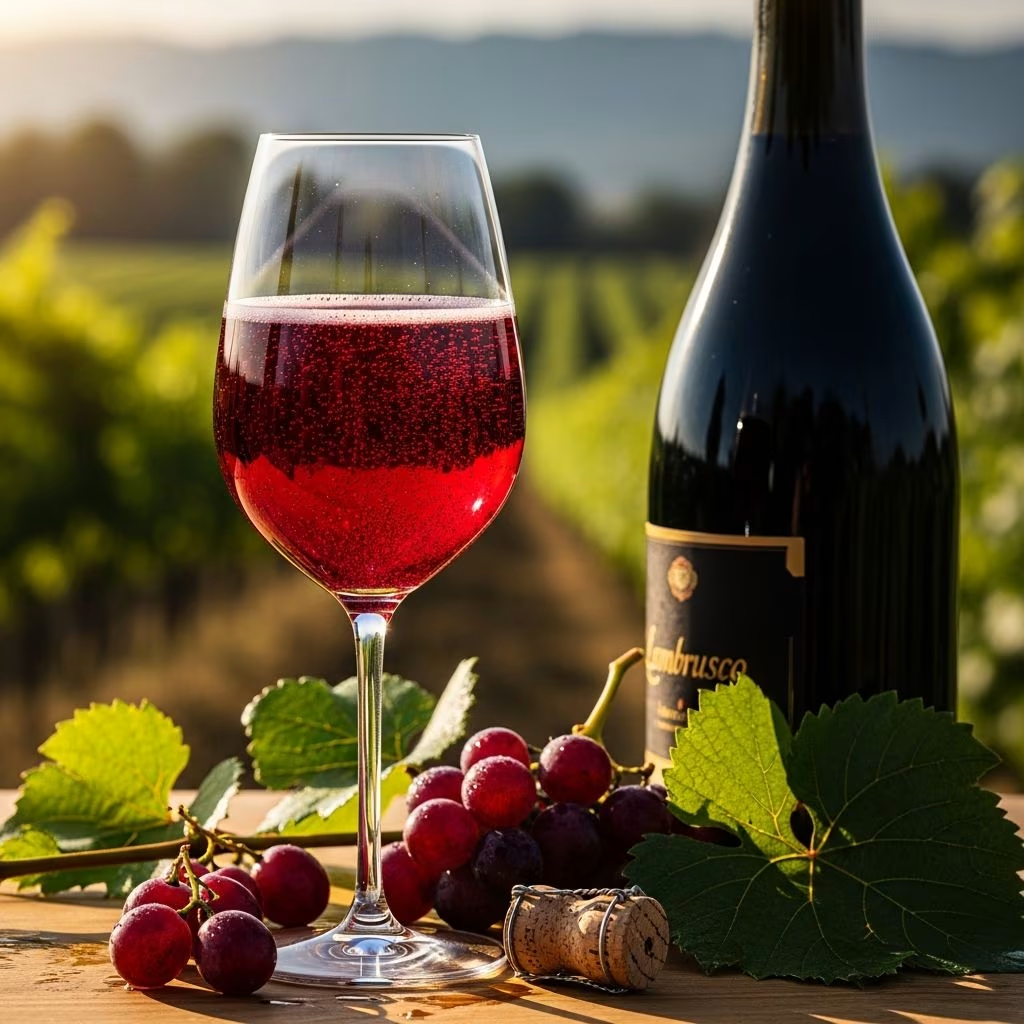
Italy’s Emilia-Romagna region produces Lambrusco, a family of sparkling red wines known for their lively bubbles, modest alcohol levels, and remarkable versatility with food. These wines, often misunderstood due to past mass-produced versions, have evolved into sophisticated expressions of local terroir and tradition.
The Roots of Lambrusco in Emilia-Romagna
Emilia-Romagna, often called Italy’s Food Valley, is the heartland of Lambrusco production, with over 70% of the grapes cultivated here. The landscape features fertile alluvial plains between Modena and Bologna, cooled by Apennine breezes that help the vines thrive in the humid climate. Lambrusco grapes, among Italy’s oldest, trace back to Etruscan times, evolving as climbing vines to combat humidity and mildew.
Today, production spans several DOC zones, including Lambrusco di Sorbara, Lambrusco Salamino di Santa Croce, and Lambrusco Grasparossa di Castelvetro. These areas yield wines that reflect their unique soils—sandy for lighter styles, clay-rich for fuller bodies. A small portion, about 9%, comes from Lombardy, adding subtle regional variations.
Key Grape Varieties Shaping Lambrusco’s Character
Lambrusco encompasses at least 17 grape varieties, with some experts noting over 60 biotypes. Winemakers select from 12 permitted grapes per DOC rules, creating single-varietal or blended wines.
- Lambrusco di Sorbara: Grown near Sorbara north of Modena on sandy soils, this grape yields pale, rosé-like wines with crisp acidity and red fruit notes. It’s dioecious (female-only), requiring pollination from varieties like Salamino.
- Lambrusco Grasparossa: From clay soils around Castelvetro, it produces deep ruby wines bursting with blackberry, plum, and cherry flavors, balanced by firm tannins and acidity.
- Lambrusco Salamino: Versatile and robust, it forms the backbone of many blends, contributing structure and dark fruit depth.
- Other notables: Varieties like Bugno Martino (Lombardy) and Frignano add diversity, while whites like Spergola bring savory, herbal twists in frizzante styles.
Blends allow producers to craft nuanced profiles, from elegant pinks to inky reds, showcasing the grape family’s range.
Production Methods: Crafting the Signature Sparkle
Most Lambruscos sparkle via the Charmat method, where second fermentation occurs in pressurized tanks, preserving fresh fruit and effervescence. This suits the wines’ low-alcohol profile (typically under 12% ABV) and soft, foamy mousse akin to beer foam.
Variations include:
- Frizzante: Lightly sparkling, ideal for savory expressions like Spergola-based wines with almond and herb hints.
- Spumante: Fully fizzy, from dry Sorbara to sweeter amabile styles.
- Metodo Classico: Bottle-fermented for complexity, as seen in premium Sorbara spumantes.
- Ancestral Method: Emerging pet-nat styles for cloudy, funky freshness.
These techniques highlight Lambrusco’s adaptability, from everyday sippers to artisanal gems.
Flavor Profiles Across Lambrusco Styles
Lambrusco’s diversity shines in its spectrum of tastes and colors. Pale Sorbara offers strawberry and citrus vibrancy, while Grasparossa delivers black fruit intensity with violet florals. Common threads include high acidity, gentle tannins, and refreshing bubbles that cut through richness.
| Style | Color & Body | Key Flavors | Sweetness Level |
|---|---|---|---|
| Sorbara | Pale pink, light | Red berries, crisp acidity | Dry to off-dry |
| Grasparossa | Deep ruby, medium | Black plum, cherry, spice | Dry to medium |
| Salamino Blends | Medium red, full | Dark fruit, tannic grip | Off-dry to sweet |
| Amabile | Purple, bold | Rich fruit, balanced sugar | Medium-sweet |
This table illustrates how soil, grapes, and sweetness tailor Lambrusco for varied palates.
Perfect Food Pairings for Lambrusco
Lambrusco excels with Emilia-Romagna’s cuisine: prosciutto, mortadella, tortellini in brodo, and balsamic-glazed dishes. Its acidity and bubbles cleanse palates from fatty meats and creamy pastas.
- Dry Sorbara with seafood risotto or light charcuterie.
- Grasparossa with barbecue, burgers, or pumpkin ravioli—fruit notes enhance spices.
- Sweet amabile alongside blue cheeses or spicy sausages.
- Chilled Salamino with pizza or fried foods for refreshing contrast.
Beyond Italian fare, it pairs with global grilled meats, curries, and even chocolate desserts, proving its worldwide appeal.
From Past Stereotypes to Modern Renaissance
In the 1970s-80s, cheap, syrupy imports tarnished Lambrusco’s image as ‘soda pop’ wine. Young producers have revived it with organic, low-intervention methods, focusing on terroir-driven dry styles. Artisanal wineries emphasize single vineyards and minimal sulfur, earning acclaim from sommeliers.
Climate resilience and low ABV make Lambrusco ideal for warm climates, like New Orleans summers. Its foamy pour and food-friendliness position it as a casual yet refined choice.
Visiting Lambrusco Country: A Wine Lover’s Itinerary
Plan a trip to Modena’s plains: tour Cantina della Volta for metodo classico, or Bertolani for Spergola frizzantes. Cycle vineyard trails, taste at producers between Modena and Reggio Emilia, and pair sips with local balsamic tours. Festivals like those in Sorbara celebrate the harvest with feasts and fizz.
Accommodations in agriturismi offer immersive stays amid vines, blending wine education with Emilia’s culinary heritage.
Tasting Notes and Buying Tips
Seek bottles labeled by DOC for authenticity. Chill to 10-12°C for optimal bubbles. Start with affordable Grasparossa, graduate to Sorbara metodo classico. Look for ‘secco’ (dry) for elegance or ‘amabile’ for sweetness.
Producers to watch: those blending tradition with innovation, yielding vibrant, complex sparklers.
Frequently Asked Questions (FAQs)
What is Lambrusco wine?
A sparkling red from Emilia-Romagna, made from Lambrusco grapes via Charmat or other methods, known for low alcohol and food versatility.
Is Lambrusco sweet or dry?
Ranges from secco (dry) to dolce (sweet); modern styles lean dry and crisp.
How should I serve Lambrusco?
Chill to fridge temperature, serve in tulip glasses to capture its foamy mousse.
What foods pair with Lambrusco?
Charcuterie, pasta, barbecue, cheeses—its bubbles cut richness.
Where is Lambrusco produced?
Mainly Emilia-Romagna (Modena, Reggio Emilia), small amounts in Lombardy.
References
- Lambrusco: Emilia-Romagna’s Sparkling Star — Melanie Young, Melaniefabulous.substack.com. 2023. https://melaniefabulous.substack.com/p/lambrusco-emilia-romagnas-sparkling
- Lambrusco is Italy’s Sparkling Red Wine That is Bubbly & Bold — Vero Vino. N/A. https://verovino.com/vero-blog/lambrusco-italian-dry-red-sparkling-wine-organic-natural-fizzy-vino-low-alcohol
- A deep dive into the diversity of styles of Lambrusco — Winefriend.org. N/A. https://winefriend.org/italy/emilia-romagna/the-diversity-of-styles-of-lambrusco/
- Lambrusco: Rediscover this Italian Sparkling delight — Cellar Tours. N/A. https://www.cellartours.com/blog/italy/lambrusco-rediscover-this-italian-sparkling-delight
- Lambrusco: One Wine, Many Styles — The Connected Table. N/A. https://theconnectedtable.com/lambrusco-one-wine-many-styles-fizzy-fresh-low-alcohol-and-versatile/
On This Page
The Roots of Lambrusco in Emilia-Romagna Key Grape Varieties Shaping Lambrusco's Character Production Methods: Crafting the Signature Sparkle Flavor Profiles Across Lambrusco Styles Perfect Food Pairings for Lambrusco From Past Stereotypes to Modern Renaissance Visiting Lambrusco Country: A Wine Lover's Itinerary Tasting Notes and Buying Tips Frequently Asked Questions (FAQs) References← Previous
Frank Lloyd Wright Great Lakes Cruises with Victory
Next →
Free Things to Do in Burgundy: Vineyards, Tastings & Festivals
Related Reading
More in Food & Culture
Food & Culture Food & Culture
 Food & Culture
Best Places to Eat in Rome: Neighborhood Dining Guide
 Food & Culture
 Food & Culture