

 Travel Essentials
 Travel Essentials

Explore Lancaster, NH—gateway to outdoor adventures, historic sites, cultural attractions, and charming local dining in New England's North Country.
 Travel Essentials
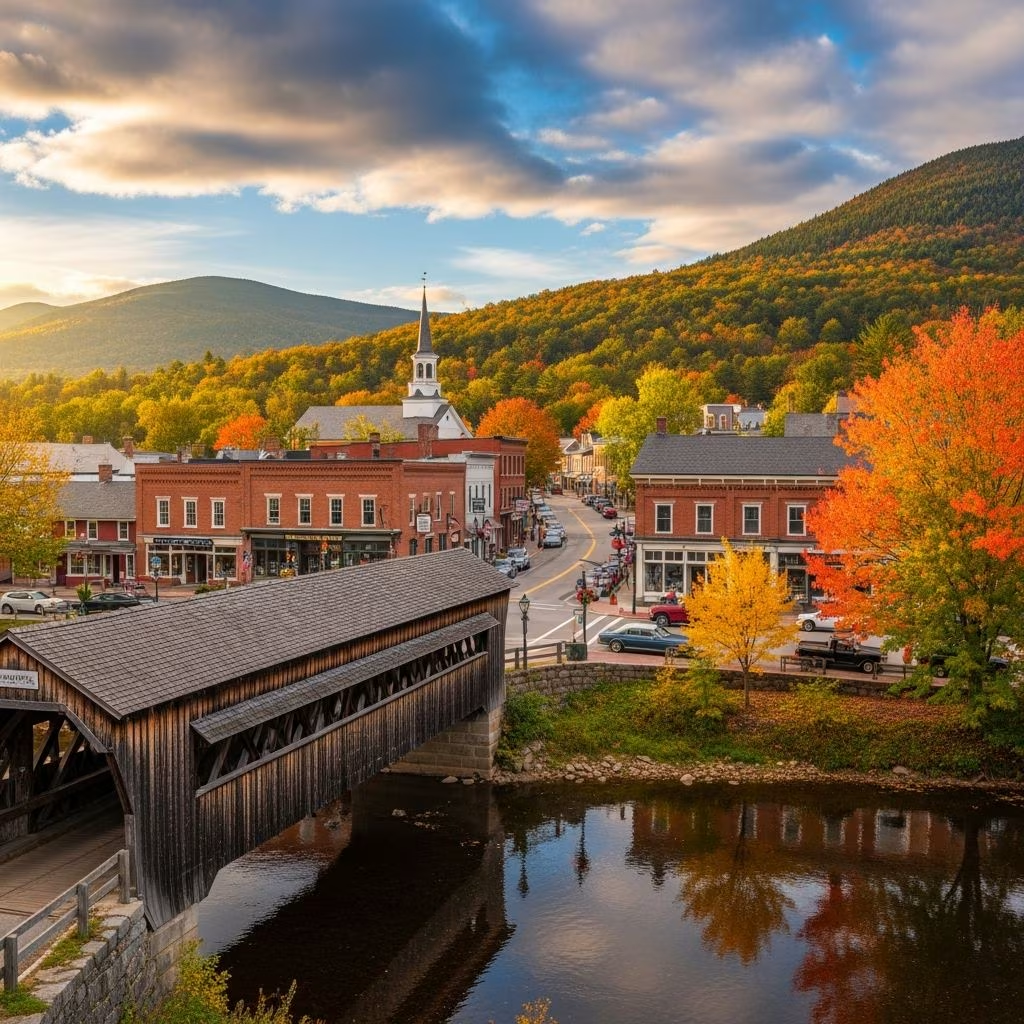
Perched at the intersection of natural beauty and rich historical significance, Lancaster stands as one of New Hampshire’s most compelling destinations. Located in Coos County along the Connecticut River, this charming town of approximately 3,200 residents serves as the threshold to the Great North Woods Region, offering visitors an authentic glimpse into New England’s North Country heritage and outdoor character.
Lancaster’s location provides immediate access to some of northern New Hampshire’s most treasured landscapes. Situated within proximity to the White Mountain National Forest and home to Mt. Cabot—one of the state’s four thousand-foot peaks—the town functions as a natural hub for explorers and adventure seekers. The Connecticut River borders the community to the west, with Vermont’s scenic landscape visible across the water.
The town’s founding in 1764 established it as a market center for the surrounding region, a role it maintains today through its historic downtown corridor and local commerce. This long-standing commercial tradition has evolved into a welcoming destination that balances preservation with modern visitor accommodations.
Walking through Lancaster reveals layers of architectural history reflected in its downtown landscape. Main Street showcases numerous Victorian-era structures that continue to house local businesses, galleries, and dining establishments. These preserved buildings provide a tangible connection to the town’s nineteenth-century prosperity.
Notable architectural elements include a distinctive redbrick courthouse dating from 1887, which anchors the southern end of Main Street and remains an iconic landmark. The town’s religious heritage is evident through several well-maintained churches that line the thoroughfare, contributing to the area’s distinctive New England character.
Lancaster boasts two remarkable covered bridges that exemplify the region’s engineering heritage:
These structures serve both functional and aesthetic purposes, inviting visitors to appreciate the craftsmanship of earlier generations while accessing the surrounding natural areas.
One of Lancaster’s premier attractions, Weeks State Park preserves the former summer estate of John Wingate Weeks, a conservation pioneer who championed forest preservation in New Hampshire. Spanning 446 acres, the property encompasses multiple trails for exploration and includes a distinctive stone fire tower positioned on Mount Prospect.
The mansion on the grounds functions as a museum open to the public, allowing visitors to understand the lifestyle and conservation philosophy of the estate’s historical owner. The observation tower provides panoramic vistas encompassing Mount Washington and Vermont’s Green Mountains, making it an essential stop for those seeking both historical context and natural beauty.
Lancaster’s appeal extends throughout all seasons, with distinct activities tailored to each time of year:
The warmer months invite extensive hiking through mountain trails that wind through the surrounding landscape, offering encounters with regional wildlife and stunning panoramic vistas. Mountain biking opportunities satisfy enthusiasts seeking two-wheeled adventures on varied terrain. Fishing in local waterways provides peaceful respite for those preferring quieter outdoor experiences. Autumn transforms the landscape into a canvas of golden and crimson hues, making fall one of the most photographically rewarding seasons.
When snow blankets the region, Lancaster becomes a hub for winter sports enthusiasts. Snowshoeing expeditions through snow-covered forests provide a meditative experience amid frosted landscapes. Nearby ski resorts offer alpine and cross-country skiing opportunities suitable for various skill levels, drawing winter sports enthusiasts from throughout the Northeast.
Despite its modest size, Lancaster maintains a vibrant cultural scene:
The Lancaster Congregational United Church of Christ, prominent on Main Street, contributes to the town’s cultural atmosphere and represents the spiritual heritage of the community.
Lancaster’s dining scene reflects both traditional North Country cuisine and contemporary culinary trends:
| Establishment Type | Examples | Characteristics |
|---|---|---|
| Bakeries & Cafes | Polish Princess Bakery, The Granite Grind | Farm-fresh ingredients, homemade specialties, vegetarian options |
| Breweries | Copper Pig Brewery | Craft beverages, pub atmosphere, local brewing traditions |
| Traditional American | Smokin T’s BBQ, Lancaster House of Pizza, Scorpio’s Pizzaria | Hearty portions, casual dining, family-friendly venues |
The Polish Princess Bakery gains recognition for its artisanal baked goods and cafe atmosphere, while Copper Pig Brewery exemplifies the craft beverage movement gaining momentum in northern New Hampshire. Local farmers’ markets provide opportunities to sample seasonal produce directly from regional growers.
No visit to Lancaster would be complete without experiencing Fuller’s Sugarhouse, a family-operated business that expanded to open a Main Street location in 1998. This establishment represents the continuation of traditional maple syrup production methods and offers authentic North Country products unavailable elsewhere.
While Lancaster serves as a destination unto itself, its position makes it an excellent base for exploring adjacent attractions:
Lancaster’s appeal remains consistent throughout the year, though seasonal activities vary significantly. Summer and early fall offer optimal conditions for hiking and outdoor exploration, with comfortable temperatures and extended daylight hours. Winter transforms the landscape for snow-based activities, though visitors should prepare for cold temperatures and variable road conditions. Spring brings wildflowers and rushing streams, while autumn delivers unparalleled foliage viewing opportunities.
Most visitors spend two to four days in Lancaster, allowing sufficient time to explore downtown attractions, visit Weeks State Park, and undertake at least one significant hiking excursion. The town’s proximity to numerous regional destinations makes it an excellent multi-day base for broader exploration of the White Mountains and Great North Woods.
Lancaster’s significance extends beyond its immediate attractions. As the gateway to the Great North Woods Region, the town provides access to tens of thousands of acres of undeveloped forest, pristine waterways, and mountain wilderness. This positioning makes Lancaster an ideal starting point for visitors seeking deeper immersion in northern New Hampshire’s natural environment.
The Connecticut River, which defines Lancaster’s western boundary, creates a natural corridor for understanding regional geography and historical transportation patterns. The river’s presence shaped the town’s original settlement and continues to influence its character today.
What distinguishes Lancaster among New Hampshire destinations is its commitment to authentic community character rather than pursuing aggressive tourist development. Local businesses reflect genuine regional identity, and visitors encounter residents going about daily life rather than performing roles in a commercialized environment. This authenticity proves especially appealing to travelers seeking genuine connections with places they visit.
Lancaster functions as the gateway to the Great North Woods Region and provides access to Mt. Cabot, Weeks State Park, and portions of the White Mountain National Forest, making it a principal hub for outdoor recreation in northern New Hampshire.
Yes. Beyond hiking and natural attractions, visitors can access nearby Santa’s Village in Jefferson, enjoy performances at local theaters, explore downtown shops and galleries, and experience regional culinary traditions.
Summer through early fall provides optimal conditions for outdoor activities, while winter offers snow-based recreation. Each season offers distinct attractions and experiences suited to different visitor preferences.
A two to four-day visit allows sufficient time to experience primary attractions while maintaining flexibility for spontaneous exploration and relaxation in this unhurried community setting.
Weeks State Park preserves the legacy of John Wingate Weeks, a conservation pioneer instrumental in protecting New Hampshire’s forests from logging operations, with the historic mansion and observation tower providing educational and recreational value.
