


 Food & Culture
Food & Culture
Liberdade, São Paulo: Japan’s Cultural Heart in Brazil
Explore Liberdade's rich Japanese heritage, street markets, temples, festivals, and cuisine in São Paulo's iconic Asian district, a must-visit for culture lovers.
 Food & Culture
São Paulo’s Liberdade district stands as a remarkable cultural crossroads, where the traditions of Japan and other Asian nations thrive amid Brazil’s urban energy. Home to the largest Japanese diaspora outside Japan, this neighborhood offers visitors an immersive journey into Eastern customs through its architecture, food, markets, and events.
The Roots of a Unique Diaspora
The story of Liberdade begins in the early 20th century when Japanese immigrants arrived in Brazil, initially drawn to coffee plantations in São Paulo state. Facing challenging conditions, many relocated to the city around 1912, settling in Liberdade due to affordable rents. What started as a modest immigrant enclave evolved into a thriving hub, now boasting around 1.9 million people of Japanese descent across Brazil, with Liberdade at its epicenter.
Over decades, these pioneers established shops, factories for tofu and traditional garments, hostels, and even schools for their children. This self-sustaining community transformed a former military outpost into a vibrant Asian quarter, symbolizing resilience and adaptation.
Iconic Streetscapes and Architecture
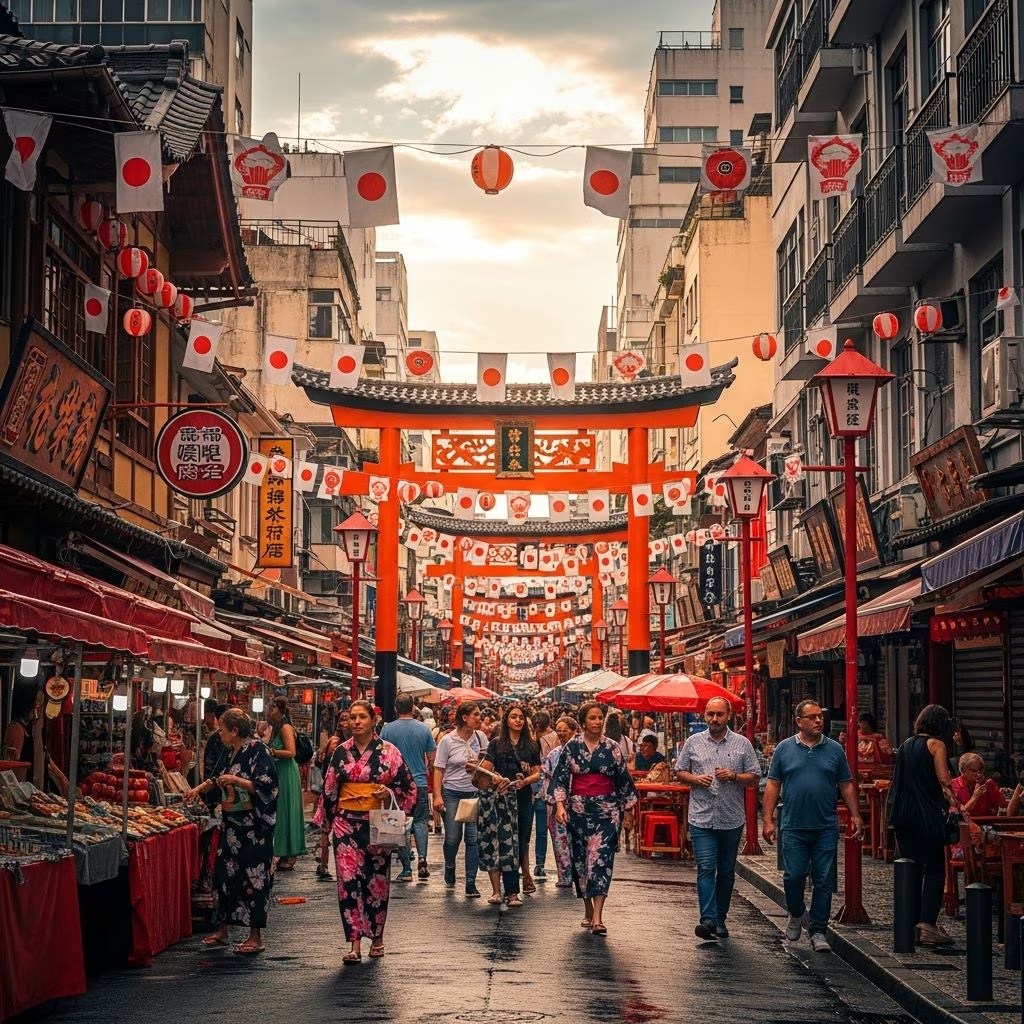
Strolling through Liberdade feels like stepping into Asia. Streets like Rua Galvão Bueno are lined with red paper lanterns (chochin) swaying overhead, torii gates marking sacred paths, and facades mimicking pagodas and temples from Japan, China, and Korea. Even modern buildings, such as a Bradesco Bank branch resembling a Japanese castle, add to the whimsical charm.
These visual elements create an otherworldly atmosphere, especially at dusk when lights illuminate the alleys. Anime-inspired murals and koi ponds further enhance the district’s appeal, drawing in locals and tourists alike.
- Key Visual Highlights: Red lanterns, torii gates, pagoda-style roofs, street art with manga influences.
- Best Time to Explore: Weekends for peak vibrancy; evenings for illuminated beauty.
Weekend Feirinha: A Sensory Feast
The beating heart of Liberdade is its weekend street market, known as Feirinha da Liberdade, running Saturdays and Sundays from 8am to 6pm since 1973. This open-air bazaar sprawls around Praça da Liberdade, overflowing with stalls selling crafts, imported goods, and street food.
Food options tantalize with Japanese staples like yakisoba noodles, tempura, takoyaki (octopus balls), and Brazilian twists such as pastel filled with sushi ingredients. Sugarcane juice quenches thirst amid the crowds. Shoppers hunt for manga, anime merchandise, kimonos, ceramics, and spices—perfect souvenirs at accessible prices.
Arrive early to beat lines; parking is scarce, so metro is ideal (Liberdade station on Line 1-Blue).
Culinary Delights from East to West
Liberdade’s dining scene elevates São Paulo’s status as a sushi capital, thanks to its massive Japanese-Brazilian population. Neighborhood eateries range from casual stalls to historic gems.
| Restaurant | Specialty | Notable Feature |
|---|---|---|
| Hinodê | Traditional kaiseki, sushi | Oldest in district; wooden decor, flags, ambient music evoking old Japan. |
| Kabura | Ramen, gyoza | Cozy spot on Galvão Bueno; highly rated for authenticity. |
| Espaço Kazu | Varied Asian fusion | Multiple outlets; ideal for groups seeking variety. |
Chinese and Korean influences add dim sum and bibimbap, creating a pan-Asian palette. Sushi and sashimi dominate citywide, but Liberdade offers the purest expressions.
Sacred Spaces and Cultural Landmarks
Beyond commerce, Liberdade nurtures spirituality and history. Key sites include:
- Museu Histórico da Imigração Japonesa no Brasil: Chronicles 100+ years of migration with artifacts, photos, and stories of early settlers.
- Templo Busshinji: Soto Zen Buddhist center for meditation and services.
- Templo Quannin do Brasil: Serene spot for reflection amid urban bustle.
These venues provide deeper insights into immigrant struggles and triumphs, revitalized in 2008 for Crown Prince Naruhito’s visit.
Festivals That Light Up the Year
Liberdade pulses with annual celebrations blending Japanese traditions and local flair:
- January: Chinese New Year – Dragon dances, fireworks, lion parades.
- April: Hanamatsuri – Buddha’s birthday with flower offerings.
- June: Sumo Championship – Live wrestling demos.
- July: Tanabata Matsuri – Star Festival with bamboo wishes, music, dances, and food stalls.
- December: Toyo Matsuri & Mochi Tsuki – Oriental fair and New Year rice-pounding.
These events draw massive crowds, amplifying the district’s multicultural vibe.
Modern Liberdade: Anime, Youth, and Diversity
While Japanese roots run deep, Liberdade now embraces Chinese and Korean communities, evident in bilingual signs and mixed eateries. Commerce has diversified, with many shops Chinese-run, yet the Japanese essence endures.
Young Brazilians flock here for otaku culture—anime, manga stores like Livraria Sol and Fonomag stock imports on Japanese animation, comics, origami books, and crafts. Praça da Liberdade becomes a cosplay haven on weekends.
Revitalization projects preserve this blend, making it a nexus for nostalgia, Japanophiles, and returnees from Japan.
Practical Tips for Your Visit
- Getting There: Liberdade Metro (Line 1-Blue); easy from Centro.
- Best Days: Weekends for markets; weekdays for quieter temple visits.
- Tours: Guided food walks cover history and tastings like Japanese pastel.
- Tips: Wear comfy shoes for cobblestones; cash for stalls; try before buying food.
FAQs
What makes Liberdade unique?
It’s the world’s largest Japanese community outside Japan, featuring authentic Asian architecture, food, and festivals in São Paulo.
Is Liberdade only Japanese?
No, it includes strong Chinese and Korean influences, creating a broader Asian enclave.
When is the best time to visit the market?
Saturdays and Sundays, 8am-6pm; arrive before 11am to avoid crowds.
Are there vegetarian options?
Yes, abundant in tempura, veggie sushi, tofu dishes, and salads.
Can I visit temples?
Absolutely; Templo Busshinji and Quannin welcome respectful visitors.
Why Liberdade Captivates
Liberdade exemplifies São Paulo’s multicultural fabric, offering an accessible portal to Asia. From historic migrations to contemporary anime fandom, it bridges continents, inviting all to savor its flavors, sights, and stories. Whether sampling street eats or joining a festival, this district delivers unforgettable experiences in Brazil’s megacity.
References
- Liberdade: São Paulo with a Japanese Accent — Iberia Joven. 2023. https://joven.iberia.com/liberdade-sao-paulo-with-a-japanese-accent/
- Neighborhood Liberdade – Japanese community — Places to Visit Brazil. 2024. https://placestovisitbrazil.com/neighborhood-liberdade/
- Liberdade (district of São Paulo) — Wikipedia. 2024-04-15. https://en.wikipedia.org/wiki/Liberdade_(district_of_S%C3%A3o_Paulo)
- Walking São Paulo’s Japanese Neighborhood A Liberdade Street — YouTube (Nippon.com). 2023. https://www.youtube.com/watch?v=QKyOdylxcak
- Experience the Japanese culture in São Paulo’s, Bairro da Liberdade — Live the World. 2023. https://www.livetheworld.com/post/experience-the-japanese-culture-in-sao-paulo-s-bairro-da-liberdade-sa9t
- Liberdade (Bairro da Liberdade) Tours and Tickets — Viator. 2024. https://www.viator.com/Sao-Paulo-attractions/Liberdade/d5112-a17430
- Japan-Town – Review of Liberdade — TripAdvisor. 2023. https://www.tripadvisor.com/ShowUserReviews-g303631-d317946-r131648364-Liberdade-Sao_Paulo_State_of_Sao_Paulo.html
- São Paulo’s Asiatown: A Little Piece of Japan Halfway Around the World — Nippon.com. 2023-06-20. https://www.nippon.com/en/japan-topics/g00973/
On This Page
The Roots of a Unique Diaspora Iconic Streetscapes and Architecture Weekend Feirinha: A Sensory Feast Culinary Delights from East to West Sacred Spaces and Cultural Landmarks Festivals That Light Up the Year Modern Liberdade: Anime, Youth, and Diversity Practical Tips for Your Visit FAQs Why Liberdade Captivates← Previous
Best Food Markets in Sicily: Palermo, Catania & Syracuse
Next →
Bangkok Travel Guide: Top Temples, Markets, Food & Views
Related Reading
More in Food & Culture
Food & Culture Food & Culture
 Food & Culture
Best Places to Eat in Rome: Neighborhood Dining Guide
 Food & Culture
 Food & Culture