

 Travel Essentials
 Travel Essentials

Discover Liberia’s pristine beaches, lush rainforests, and authentic West African culture—an off-the-beaten-path destination for adventurous travelers.
 Travel Essentials
Nestled on the western coast of Africa, Liberia represents one of the continent’s most underutilized travel destinations, offering visitors an authentic and largely undiscovered experience. This nation, bordered by Sierra Leone, Guinea, and Côte d’Ivoire, covers approximately 111,369 square kilometers and boasts a distinctive character shaped by its unique historical narrative and diverse natural landscapes. Despite international perceptions, Liberia continues to welcome travelers seeking genuine African experiences away from mainstream tourist corridors.
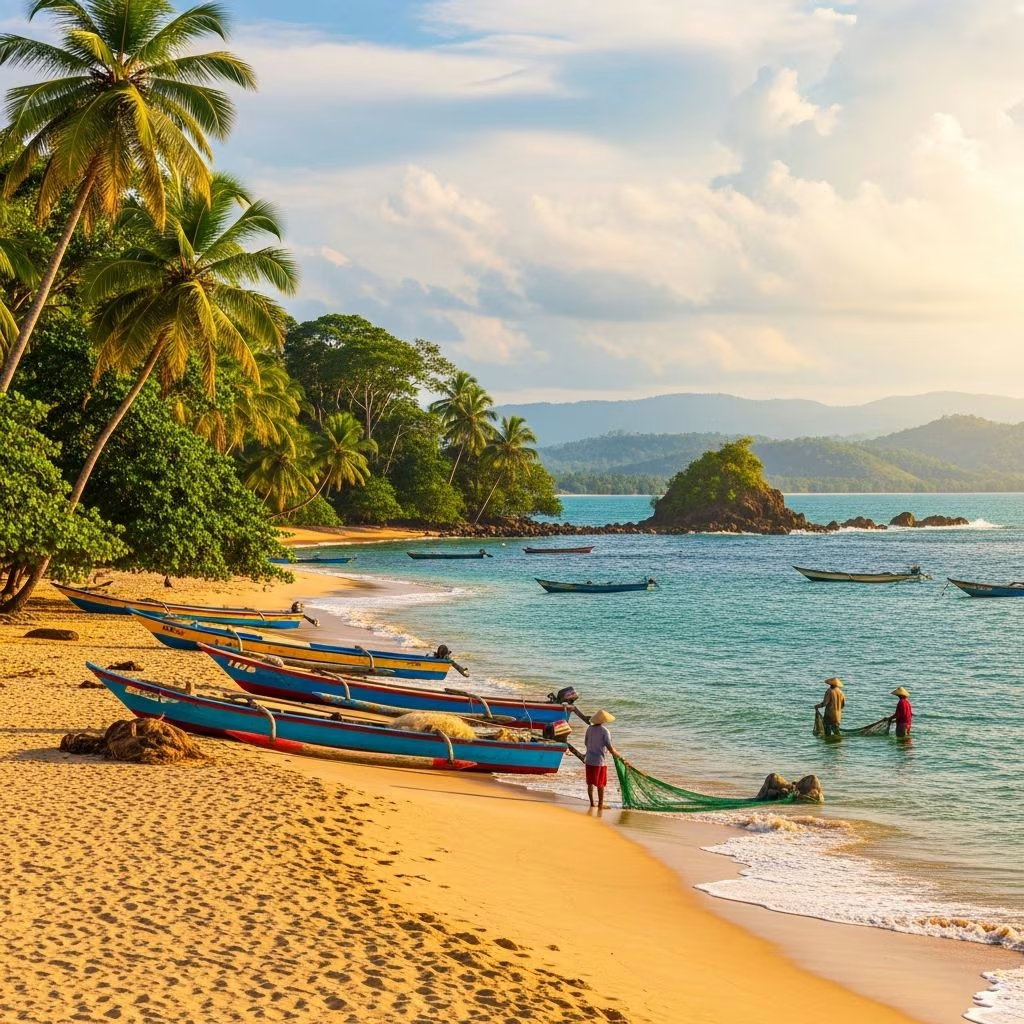
Liberia’s geography presents a fascinating tapestry of ecological zones and natural features. The country’s coastline stretches along the Atlantic Ocean, providing access to some of West Africa’s most pristine and unspoiled beaches. What distinguishes Liberia’s coastal regions is their remarkable lack of commercial overdevelopment—the sparse infrastructure that exists remains predominantly low-key and environmentally conscious, allowing visitors to experience relatively untouched shorelines.
Moving inland from the coast, the landscape transforms dramatically. Tropical rainforests blanket significant portions of the interior, creating dense ecosystems that support remarkable biodiversity. These rainforests transition gradually into savanna regions and mountain ranges, particularly toward the interior borders. This varied topography creates distinct microclimates and habitats, supporting numerous plant and animal species found nowhere else on Earth. The environmental diversity makes Liberia particularly appealing for nature enthusiasts, wildlife photographers, and ecologically conscious travelers.
Monrovia, Liberia’s capital and largest urban center, serves as the primary entry point for international visitors. Named after United States President James Monroe, the city reflects this historical connection through its architecture and cultural influences. As the nation’s chief Atlantic port and commercial hub, Monrovia functions as the de facto gateway to Liberia’s broader attractions and experiences.
The capital city itself offers a mix of urban development and laid-back coastal charm. While more developed accommodation options and dining establishments concentrate in Monrovia, visitors should approach expectations realistically—this is not a luxury resort destination. Instead, Monrovia provides authentic cultural immersion, local markets bursting with activity, and a genuine sense of contemporary West African urban life. The city’s vibrant energy reflects the broader character of modern Liberia: hopeful, energetic, and actively rebuilding.
Liberia’s beaches represent perhaps the nation’s most immediately appealing attraction. The country’s limited mainstream tourism status has preserved these coastal areas in their natural state, allowing visitors to experience pristine sandy shores with minimal commercial infrastructure. The beaches vary considerably in character and activity level, accommodating different traveler preferences and comfort levels.
Surf enthusiasts will find dedicated coastlines offering excellent wave conditions. Several beach areas near Monrovia provide accessible surfing opportunities, combining aquatic adventure with tropical coastal scenery. For travelers seeking oceanfront accommodation, select properties—including eco-conscious establishments like Libassa Lodge—offer beachside stays with varying levels of comfort and amenities.
Beyond traditional beach lounging, the coastal regions invite exploration. Visitors often spend time relaxing in hammocks positioned between palm trees, listening to tropical bird calls, or simply absorbing the peaceful atmosphere that characterizes underdeveloped coastlines. The combination of natural beauty, relative solitude, and slow-paced rhythm creates a distinctive vacation experience quite different from established beach resort destinations.
Liberia’s interior wilderness areas contain extraordinary biodiversity and natural attractions. Sapo National Park stands as one of West Africa’s premier protected areas, offering visitors opportunities to experience pristine rainforest ecosystems and encounter endemic wildlife species. The park’s vegetation, fauna, and overall ecological significance make it essential for travelers prioritizing nature-based experiences.
Chimpanzee Island represents another distinctive wildlife destination. This archipelago functions as a sanctuary for rescued chimpanzees, providing visitors with opportunities to observe these intelligent primates in semi-natural conditions. The island’s conservation mission combines tourism with meaningful animal welfare work, allowing visitors to support legitimate conservation efforts while gaining wildlife encounters.
Additional natural attractions include Kpatawee Waterfall, where cascading waters create natural pools of considerable beauty. This site holds sacred significance for local communities, meaning visitors can engage with both natural wonder and cultural meaning simultaneously. The waterfall area’s integration into the broader rainforest landscape creates immersive nature experiences combining recreation, scenery, and cultural understanding.
Prospective travelers should calibrate expectations regarding accommodation quality and availability. Unlike established tourist destinations, Liberia does not offer abundant luxury lodging options outside Monrovia. While the capital provides several high-end properties, accommodation throughout the remainder of the country typically reflects simpler standards of comfort.
This accommodation reality stems from Liberia’s status as an emerging rather than mature tourist destination. Infrastructure development, particularly outside major urban centers, remains ongoing. Visitors should anticipate basic but functional lodging, recognizing that amenities often found in developed destinations—consistent electricity, reliable water systems, modern furnishings—may be inconsistent or absent entirely. Power shortages occur regularly throughout the country, requiring travelers to remain flexible and adaptable.
Rural and remote accommodation options frequently feature extremely basic conditions, with dirt roads serving as primary transportation routes. This fundamental infrastructure limitation reflects broader national development patterns and should factor into travel planning. However, many travelers report these limitations create authentic experiences and genuine interaction with local communities—advantages that conventional tourism infrastructure sometimes obscures.
Moving around Liberia presents specific logistical considerations that require advance planning. The road network, while functional, primarily consists of minimally maintained dirt tracks outside urban areas. Standard two-wheel-drive vehicles frequently encounter difficulties; four-wheel-drive vehicles provide significantly improved capability for navigating rural areas.
Outside Monrovia, travelers encounter additional transportation challenges. No operating traffic lights regulate intersections, and roads remain unlit during evening hours. These conditions make nighttime driving hazardous regardless of vehicle quality or driver experience. Combined with poorly maintained vehicles sharing roads with pedestrians and roaming livestock, navigation after dark poses genuine safety risks.
Practical transportation guidance suggests arranging vehicles and drivers before arrival, organizing transportation for the trip’s duration, and avoiding independent driving unless thoroughly familiar with local road conditions. This approach provides safety benefits while reducing navigation stress and allowing greater focus on experiencing destinations rather than managing logistics.
Potential visitors frequently inquire about safety in Liberia. While the nation has experienced challenging periods, contemporary travel concerns focus on specific urban security issues rather than countrywide instability. Petty crime—including pickpocketing and purse snatching—occurs in high-density public areas, particularly markets and transportation hubs. Standard urban travel precautions apply: avoid displays of wealth, remain aware of surroundings, and use common sense regarding personal belongings.
Political demonstrations occur regularly and occasionally escalate to violence or police intervention using tear gas. However, such events typically remain localized and allow visitors to adjust plans when informed. Monitoring local media and maintaining flexibility regarding daily activities provides sufficient awareness for most travelers.
Travel after dark presents the primary security concern. U.S. government advisories recommend completing travel outside Monrovia during daylight hours and avoiding nighttime travel regardless of location. This guidance reflects both crime statistics and infrastructure limitations (unlit roads, minimal emergency services) rather than pervasive danger, but travelers should take it seriously when planning daily activities and movement.
Travel to Liberia requires specific health precautions. Malaria represents a significant concern throughout the country; yellow fever exposure risk also exists. Travelers should consult healthcare providers regarding appropriate vaccinations and preventive medications well before departure. Antimalarial medications, particularly for individuals without prior malaria exposure, provide important protection.
Medical facilities outside Monrovia operate at basic levels, and serious emergencies may require evacuation to regional centers or international hospitals. Travel insurance including medical evacuation coverage becomes essential rather than optional. Bringing adequate supplies of prescription medications and non-prescription remedies (since availability outside Monrovia is limited) ensures visitors can manage minor health issues independently.
| Season | Weather | Considerations |
|---|---|---|
| Dry Season (December-March) | Lower rainfall, temperatures 75-85°F | Optimal travel period; roads more passable; wildlife viewing easier |
| Wet Season (April-November) | Heavy rainfall, higher humidity | Road conditions deteriorate; increased malaria risk; lush green landscapes |
Liberia’s equatorial climate produces distinct seasonal patterns. The dry season, spanning December through March, presents optimal travel conditions. Lower rainfall improves road conditions, enhances visibility for wildlife observation, and generally facilitates movement throughout the country. Temperatures remain warm but manageable.
The wet season (April through November) brings substantial rainfall and increased humidity. While the landscape becomes lush and verdant, road conditions deteriorate significantly, making navigation challenging. Malaria transmission increases during wet months, creating additional health management complexities. Most travelers prioritize dry season travel, though wet season visits remain possible for adaptable visitors prioritizing immersive rainforest experiences over comfort and convenience.
Contemporary Liberia blends multiple cultural influences, reflecting its distinctive historical development. The nation maintains what observers describe as a confident American cultural spirit layered atop West African roots—a blend visible in language (English is the official language), cultural practices, and social dynamics. This cultural synthesis creates a unique Liberian character distinct from neighboring West African nations.
Liberia’s recent history involved significant challenges, yet the nation demonstrates remarkable resilience and forward momentum. Visitors often report encountering genuine warmth, hospitality, and enthusiasm from local populations. The combination of natural beauty, cultural authenticity, and developing tourism infrastructure creates compelling reasons for adventurous travelers to visit.
Liberia presents manageable safety considerations rather than pervasive danger. Petty urban crime exists in markets and transportation hubs, but violent crime targeting tourists remains uncommon. Following standard travel precautions—avoiding nighttime travel, remaining aware in crowded areas, keeping valuables secure—allows most visitors to travel safely. Checking current advisories and monitoring local situations ensures informed decision-making.
December through March (dry season) provides optimal travel conditions. Lower rainfall improves road accessibility, weather remains pleasant, and wildlife viewing becomes easier. While wet season travel is possible, road deterioration and increased malaria transmission make dry season preferable for most visitors.
Yellow fever vaccination is recommended, while malaria prevention (through antimalarial medications and mosquito avoidance) is essential. Consultation with healthcare providers regarding routine vaccinations and specific tropical disease risks should occur well before travel.
Outside Monrovia, expect simple, basic facilities without consistent electricity or modern amenities. Monrovia offers several higher-standard options. This accommodation reality reflects emerging rather than established tourism infrastructure and should inform expectations and planning.
Independent driving is not recommended unless thoroughly familiar with local road conditions. Arranging vehicles and drivers before arrival, avoiding nighttime travel, and using four-wheel-drive vehicles where possible represents the sensible approach to movement and logistics.
Liberia represents an exceptional choice for travelers seeking authentic African experiences beyond established tourist routes. The combination of pristine beaches, biodiverse rainforests, remarkable wildlife, and genuine cultural immersion creates distinctive vacation possibilities. While infrastructure limitations and safety considerations require realistic expectations and careful planning, the rewards—isolation from mass tourism, meaningful community interactions, and discovery of underdeveloped natural attractions—appeal to adventurous, flexible travelers prioritizing experience over luxury.
The nation’s hopeful energy, friendly populations, and remarkable natural heritage position Liberia as an increasingly significant destination for discerning travelers. By approaching visits with appropriate preparations, realistic expectations, and genuine cultural respect, visitors can experience one of West Africa’s most compelling and least explored destinations.
