

 Travel Essentials
 Travel Essentials

Explore Lille, France's vibrant northern hub, with insider tips on historic neighborhoods, world-class museums, local markets, and authentic dining experiences.
 Travel Essentials
Northern France has long been overshadowed by Paris in the minds of international travelers, yet the region possesses remarkable cultural depth and distinctive charm. Lille stands as the premier urban center in this area, offering visitors a compelling blend of historical significance, artistic heritage, and contemporary vibrancy. This guide explores what makes this northern metropolis such an exceptional destination for cultural enthusiasts, food lovers, and urban explorers alike.
For travelers seeking an authentic French experience beyond the capital, Lille presents an ideal combination of accessibility and cultural richness. The city’s strategic location makes it remarkably convenient to reach, while its compact urban core allows visitors to explore major attractions on foot. Unlike some European destinations that require careful planning and lengthy transit times between points of interest, Lille’s design encourages spontaneous discovery and leisurely wandering.
The city maintains a distinctly different character from Paris while retaining unmistakable French sophistication. Street life carries a more relaxed pace, local establishments feel genuinely welcoming rather than touristic, and the overall atmosphere encourages genuine cultural engagement. This balance between accessibility and authenticity makes Lille particularly appealing to first-time visitors to the region.
Lille features an efficient public transportation system comprising two underground metro lines and two tramlines extending to suburban areas. However, the central city proves remarkably walkable, particularly for weekend visitors focused on cultural attractions and historic neighborhoods. Most major sites of interest lie within comfortable walking distance of the city center, allowing travelers to set their own pace and make spontaneous detours as they encounter intriguing streets and local establishments.
For visitors planning to use public transportation or access multiple attractions, specialized city passes offer considerable value. Tourist passes available for durations of one, two, or three days can be reserved online or purchased directly at the tourism office. These passes typically include public transport access during specified periods, making them worthwhile investments for those planning intensive cultural schedules.
A weekend getaway spanning two to three days allows sufficient time to experience Lille’s primary attractions without feeling rushed. This duration accommodates exploration of the historic old town, visits to major museums, market experiences, and dining adventures while maintaining a relaxed pace that encourages spontaneous discoveries. Visitors with additional time can venture into surrounding neighborhoods or undertake day trips to nearby attractions.
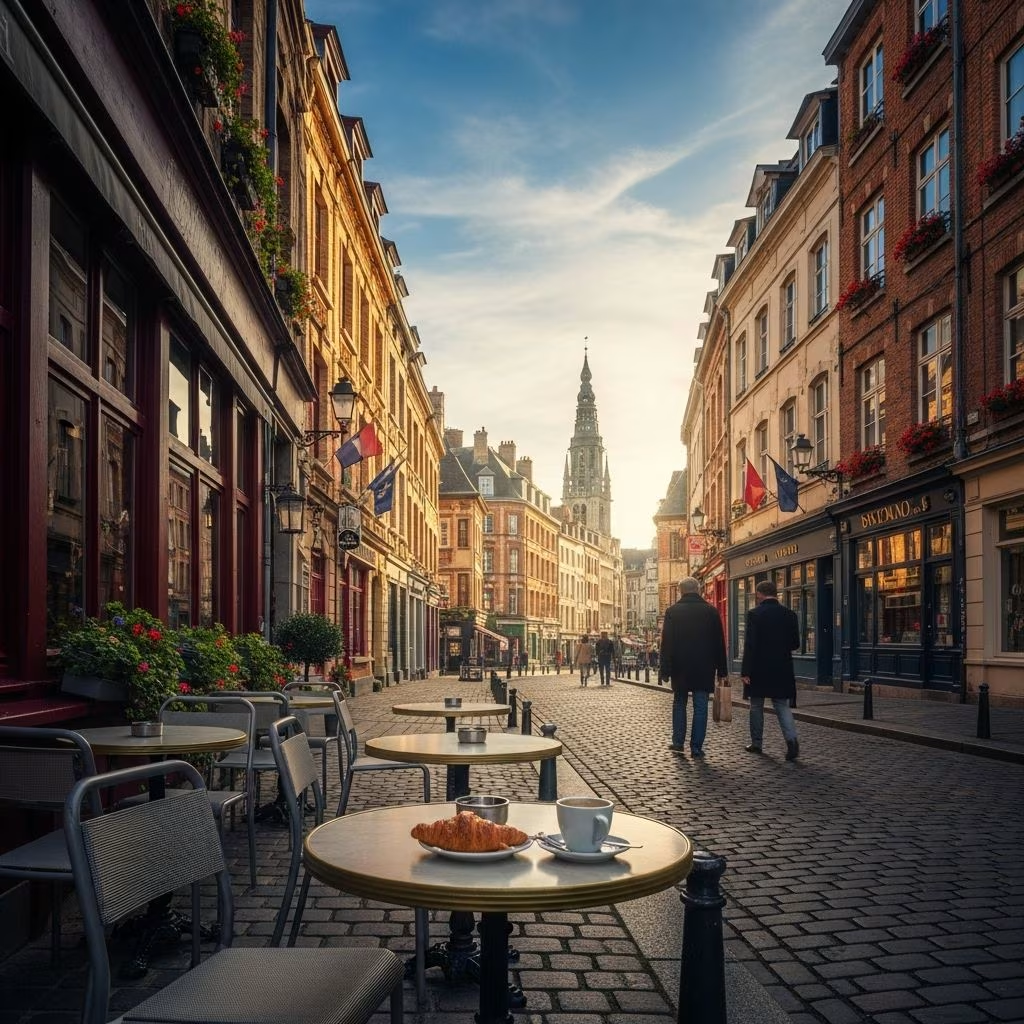
The old town district represents Lille’s most visually distinctive area, characterized by densely clustered colorful buildings, dramatic gabled rooflines, and narrow cobblestoned passages that invite continuous exploration. This neighborhood underwent comprehensive renovation in recent years, transforming it into a must-see destination while preserving its essential historical character. The architecture reflects centuries of Flemish influence visible in the distinctive brick construction and decorative elements adorning building facades.
Beyond the bustling commercial core near the main square and opera house, quieter residential streets reveal authentic urban living patterns and provide peaceful retreats from the tourist-focused zones. These secondary passages showcase how local residents navigate their neighborhood and offer glimpses into genuine Lilois life rather than curated tourism experiences.
Several streets merit particular attention for their historical significance and commercial offerings:
Comfortable walking shoes prove essential for navigating cobblestone streets during extended exploration sessions. The uneven surfaces and meandering pathways create atmospheric urban environments but require appropriate footwear for optimal enjoyment.
Place du Général de Gaulle (commonly referenced as Grand Place) functions as the city’s primary civic and social hub. This expansive square hosts numerous terrace cafés and casual dining establishments offering convenient vantage points for people-watching and city observation. The plaza is surrounded by historically significant buildings that reflect different architectural periods and building traditions.
The square’s most striking features include the distinctive Voix du Nord newspaper building and the mid-century belfry tower. This tower holds the distinction of being the world’s highest belfry, offering visitors panoramic observation decks with 360-degree perspectives of the surrounding cityscape and distant Flanders landscape. Clear weather reveals the agricultural plains and distinctive slag heaps characteristic of the region’s industrial heritage.
The Vieille Bourse (historic stock exchange building) maintains its cultural relevance despite changing economic functions. The structure now hosts an engaging secondhand book market where enthusiasts browse antiquarian volumes, rare editions, and casual reading materials. This venue perfectly captures Lille’s ability to maintain historical structures while adapting them to contemporary community uses.
The Palais des Beaux-Arts stands as one of France’s most significant art museums outside Paris, housing an exceptional collection spanning from classical to contemporary periods. Visitors encounter works by master artists including Rubens, Rodin, and numerous other significant figures whose sculptures, paintings, and ceramics are displayed within majestic architectural settings. The museum experience delivers art historical education through beautifully contextualized displays and thematically organized exhibition spaces.
The Musée de L’Hospice Comtesse occupies a cluster of Flemish brick buildings arranged around a Gothic courtyard. This former medical facility, originally staffed by nuns, contains surprising collections and offers intimate insights into historical healthcare practices and religious institutional life. Despite its somewhat austere origins, the museum rewards visitors with engaging displays and architectural charm.
Every Sunday, the Wazemmes district transforms into a bustling marketplace at Place de la Nouvelle Aventure. This weekly event draws both local shoppers and curious visitors seeking authentic market atmosphere and varied merchandise. Vendors offer local and exotic food items, textiles, household goods, clothing, cosmetics, and decorative pieces at competitive pricing. The market experience provides genuine cultural engagement and opportunities to observe local shopping traditions.
Specialized food shops concentrated along Rue Esquermoise and surrounding streets enable visitors to explore regional culinary traditions and artisanal food products. These establishments showcase Lille’s gastronomic heritage and provide opportunities to purchase distinctive local delicacies and specialty items unavailable in standard retail environments.
Several establishments merit attention for quality breakfast experiences and casual refreshment. Locations near the cathedral square and throughout the old town offer traditional French breakfast options and contemporary café culture. These venues range from quick pastry counters to sit-down establishments providing leisurely morning experiences.
Specialized establishments combine daytime café functions with evening transformations into sophisticated bars. These venues often feature distinctive architectural elements such as stained glass installations and carefully curated design aesthetics. Their dual-purpose nature makes them particularly valuable for visitors seeking comfortable spaces for morning coffee, afternoon refreshment, or evening cocktails within single familiar locations.
Lille’s accessibility from Paris proves exceptional by European standards. High-speed rail connections deliver travelers between the two cities in approximately one hour, with frequent departures throughout the day. This convenience transforms Lille into a viable day-trip destination from the capital or a primary weekend focus requiring minimal travel time investment.
The city center’s compact dimensions mean most visitors can traverse between major attractions on foot within 10-15 minutes. This walkability encourages organic exploration and reduces pressure to optimize routes according to published itineraries. Visitors benefit from allowing adequate time for unplanned detours into intriguing side streets, unexpected galleries, or appealing cafés encountered during wandering.
Initiate your visit with breakfast at a centrally located café, followed by systematic exploration of Vieux Lille’s primary commercial streets. Navigate toward the Grand Place to observe the civic architecture and climb the belfry tower for comprehensive city views. Conclude with dinner at a terrace establishment on the main square, observing evening urban activity.
Dedicate substantial time to the Palais des Beaux-Arts for comprehensive art museum engagement. Explore surrounding neighborhoods beyond the primary tourist zones, discovering quieter streets and local establishments. Consider visiting the Musée de L’Hospice Comtesse to encounter different collection types and architectural perspectives.
If extending your visit, time your itinerary to coincide with Sunday market activities in the Wazemmes district. Browse merchandise, sample local food products, and observe community social patterns. Dedicate remaining time to neighborhoods not yet explored or revisiting particularly appealing locations discovered during earlier exploration.
Lille embodies a distinctly different French experience than the capital, characterized by authentic neighborhood life, genuine cultural engagement, and accessible exploration. The city welcomes visitors while maintaining its essential local character, offering cultural richness without overwhelming commercial tourism infrastructure. Its combination of historical significance, artistic excellence, and contemporary vibrancy creates compelling experiences for travelers seeking depth and authenticity in European urban exploration.
