

 Travel Essentials
 Travel Essentials

A comprehensive guide to Chicago's most charming northern neighborhoods, featuring cultural attractions, dining, parks, and historic architecture.
 Travel Essentials
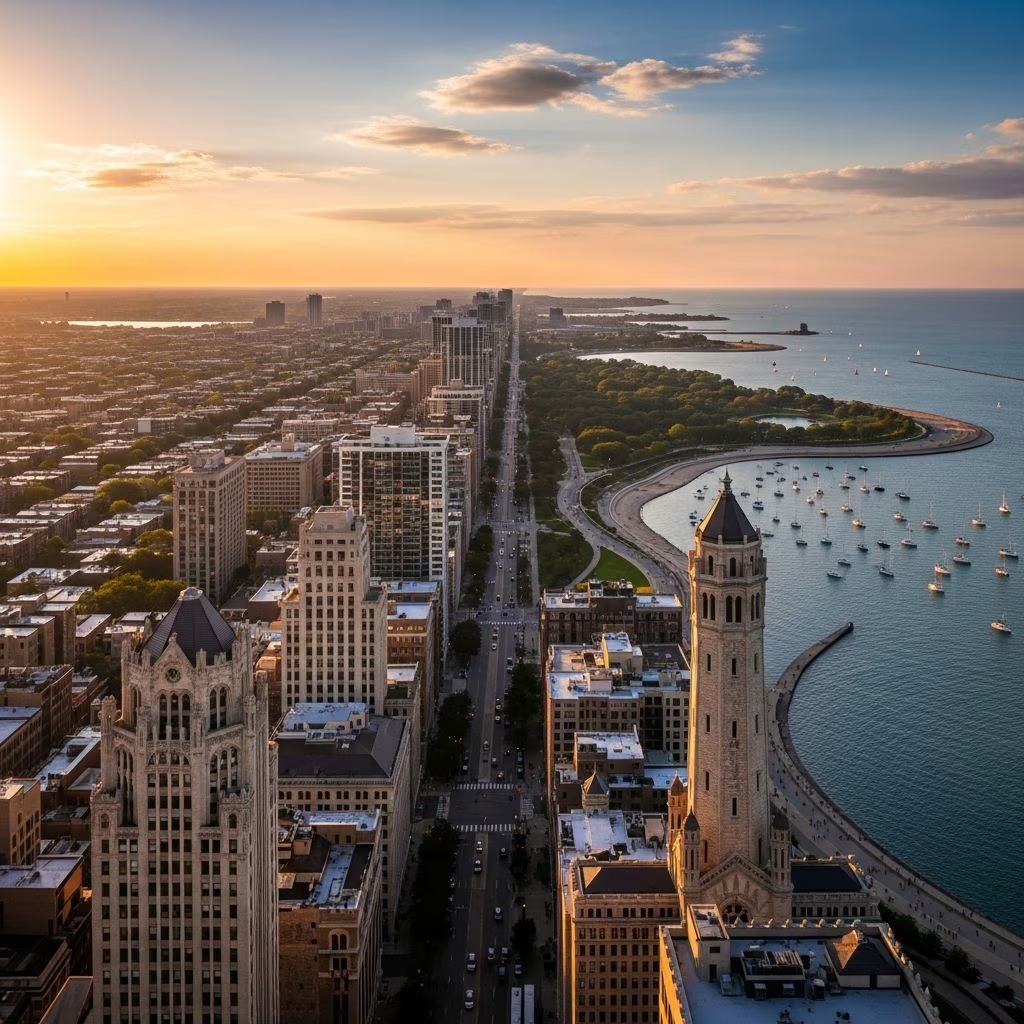
Chicago’s metropolitan landscape extends far beyond its iconic downtown skyline. North of the central business district lie two neighborhoods that encapsulate the city’s rich heritage, architectural diversity, and cultural vitality. These communities offer visitors and residents alike an opportunity to experience authentic Chicago away from the tourist-heavy downtown core.
Situated approximately two miles north of Chicago’s downtown Loop, these northern neighborhoods provide convenient access to both urban amenities and lakefront recreation. The neighborhoods are strategically positioned between the Chicago River to the west and Lake Michigan to the east, creating a geography that has shaped their development and character over centuries.
Getting Around
Public transportation forms the backbone of connectivity in this part of the city. The elevated train system, locally known as the L, offers the most economical and straightforward way to navigate the area. Visitors heading to the southern neighborhood should exit at the Clark/Division station, while those exploring the larger park area can disembark at the Fullerton station. This public transit infrastructure eliminates the need for expensive rideshare services or taxis, making exploration accessible to all budget levels.
Beyond rail transit, the neighborhoods benefit from extensive bus routes and proximity to Lake Shore Drive, which provides direct access to the broader city network. The pedestrian-friendly street grid encourages walking between attractions, with most major sites within reasonable distances of one another.
These neighborhoods stand among Chicago’s oldest residential communities, with structures and stories that predate the modern metropolitan era. The Great Chicago Fire of 1871 devastated much of the city, yet select buildings in these areas survived the conflagration, serving as tangible connections to the city’s early history.
Victorian and early-20th-century architecture dominates the residential streetscapes. Tree-lined avenues showcase restored brownstones, historic greystone apartment buildings, and converted single-family residences that reflect multiple eras of urban development. Landmark districts within the neighborhoods have been officially recognized for their architectural and historical merit, with preservation guidelines ensuring that new construction respects the established character.
The older neighborhood, particularly its triangular district, showcases restored 19th-century structures alongside cobblestone streets that evoke an earlier era of urban design. This preservation of historical fabric distinguishes these communities from newer Chicago neighborhoods dominated by contemporary development.
The concentration of world-class cultural institutions makes this area a premier destination for those seeking to understand Chicago’s evolution and influence on American culture.
Historical Documentation and Urban Evolution
The neighborhood’s preeminent history museum offers extensive exhibitions exploring pivotal urban events, architectural innovation, and demographic changes that shaped the metropolitan area. Interactive displays and carefully curated artifacts allow visitors to engage with stories spanning from the city’s frontier origins through the industrial era and into contemporary times. Exhibitions address significant episodes including the Great Fire, industrialization patterns, and the city’s role in national cultural movements.
Natural History and Environmental Focus
Beyond urban history, the area hosts specialized museums dedicated to natural systems and ecological diversity. These institutions feature exhibits on native flora and fauna, migratory patterns of regional bird populations, and environmental conservation efforts. Educational programming emphasizes the relationship between urban development and natural ecosystems, offering visitors nuanced perspectives on city-nature interactions.
The defining feature of this area is the massive lakefront park system that comprises over 1,200 acres of public greenspace. This urban oasis provides respite from concrete and commerce, offering diverse recreational opportunities across seasons.
The Central Park Amenity
Stretching northward from the neighborhoods to reach Edgewater, this expansive park creates a continuous ribbon of green along the shoreline. The park’s popularity reflects both its size and the diversity of activities it accommodates. Multiple beaches provide summer swimming and sunbathing opportunities, while harbors support recreational boating. Paved paths encourage cycling and jogging, and open lawns host picnicking families and lounging visitors.
Zoological Attractions
Among the park’s most visited components is the zoo, established in 1868 and ranking among America’s oldest institutions of its type. The zoo maintains one of the world’s largest collections with more than 1,000 animals representing diverse global ecosystems. Remarkably, general admission remains free to all visitors, democratizing access to zoological education and entertainment. Seasonal programming includes elaborate light displays during winter holidays, available through separate ticketing. The zoo’s convenient location within a short walk from residential areas makes it an accessible family destination.
Botanical and Horticultural Exhibits
A Victorian-era glasshouse within the park showcases horticultural collections representing tropical and temperate plant communities. Within these elegant glass structures, visitors encounter ancient tree ferns, soaring palms, and fragrant flowering specimens. The conservatory represents 19th-century botanical enthusiasm while serving contemporary educational purposes.
Specialized Parks and Recreational Areas
Beyond the main park, smaller green spaces throughout the neighborhoods serve community and visitor needs. One particularly notable example, located at the intersection of two major avenues, was designed as a tribute to a famous literary work about an imaginary land. These secondary parks often incorporate public art installations, children’s play structures, and intimate gathering spaces.
The neighborhoods have emerged as significant culinary destinations, with restaurants ranging from casual neighborhood spots to Michelin-recognized establishments. The dining landscape reflects both long-standing local traditions and contemporary gastronomic innovation.
Legendary Establishments
Historic dining venues carry forward culinary traditions spanning generations. One particularly renowned barbecue restaurant earned its legendary status through decades of operation and became famously associated with a celebrated entertainer’s personal preferences. Such establishments anchor the neighborhood’s identity and draw visitors specifically seeking authentic, time-tested fare.
Contemporary and Innovative Cuisine
Alongside traditional establishments, the neighborhoods host modern restaurants pushing culinary boundaries. The restaurant scene encompasses diverse global cuisines, seasonal tasting menus, and chef-driven concepts that contribute to Chicago’s reputation as a serious food city. Coffee houses, casual lunch spots, and formal dining venues provide options across all budget levels and occasions.
The neighborhoods maintain robust entertainment scenes characterized by different personalities and energy levels across various blocks and districts.
Theater and Performance Arts
The neighborhoods have historic connections to theater and comedy performance. Notable performance venues have achieved national recognition for launching entertainment careers and maintaining standards for live comedy production. These theaters continue hosting performances that draw audiences both from the local community and from across the metropolitan region.
Taverns and Cocktail Culture
Bars ranging from historic neighborhood taverns to contemporary cocktail establishments populate the commercial streets. Some taverns claim century-old origins and carry storied histories as former Prohibition-era speakeasies, their walls holding decades of neighborhood memory. Modern bars feature specialized cocktail programs, craft spirits selections, and carefully designed atmospheres. Trendy establishments attract younger professionals seeking sophisticated social environments.
Commercial corridors throughout the neighborhoods support diverse retail operations reflecting both practical community needs and lifestyle aspirations. Shopping districts feature independent boutiques, chain retailers, and specialty shops creating varied retail environments. The “clicks to bricks” phenomenon has brought flagship retail locations and pop-up shopping experiences to physical storefronts, blending e-commerce and traditional retail models.
Understanding the neighborhoods requires recognizing their internal divisions and distinct sub-districts, each with particular character and appeal.
Central Zones
The heart of these communities features tree-lined residential streets with classic Chicago architectural styles. Mid-rise apartment buildings, historic walk-up structures, and well-maintained single-family homes create walkable streetscapes. These central areas attract residents valuing proximity to cultural institutions while maintaining residential calm.
Waterfront Districts
Along the eastern edges adjacent to the major park, high-rise residential buildings offer urban living with direct access to green space and lakefront amenities. Pre-war cooperative apartments in historic buildings appeal to those seeking character alongside modern urban convenience. The most preserved single-family homes and century-old walk-up apartments in the city cluster in these areas.
Historic Triangle Areas
Named for their geographic configuration, triangular districts showcase cobblestone street remnants and preserved 19th-century building stock. These areas maintain the densest concentrations of historically significant structures and attract residents drawn to architectural authenticity and neighborhood character. Public art installations and community gathering spaces enhance the appeal of these heritage-focused areas.
The neighborhoods offer extensive resources for families with children, from major institutions to neighborhood-scale amenities.
Zoo Visits
The free-admission zoo stands as perhaps the foremost family destination, offering hours of exploration and education. Animal encounters, interactive exhibits, and diverse habitats engage children across all age ranges. The park’s accessibility from the neighborhood core means families can visit multiple times seasonally without significant travel burden.
Park-Based Recreation
The 1,100-acre park system provides diverse recreational opportunities suitable for various family needs. Beaches support summer swimming, while playgrounds accommodate younger children. The parks’ expansive lawns allow space for running, sports, and unstructured play. Public restrooms, food vendors, and seating ensure family visits remain comfortable.
Community Spaces
Smaller parks distributed throughout residential areas include child-focused play structures and art installations. These neighborhood-scale spaces serve as daily gathering spots for families living in the area while remaining accessible to visitors.
Seasonal Variations
The neighborhoods experience distinct seasonal personalities. Warm months from late spring through early fall offer prime conditions for park use, beach visits, and outdoor dining. Winter brings holiday programming including elaborate light displays at the zoo. Spring and fall provide comfortable temperatures for walking and exploring architectural details.
Transportation and Parking
Public transit access eliminates parking concerns for most visitors. The elevated train system efficiently connects these neighborhoods to other parts of the city, while pedestrian-friendly blocks allow exploration on foot. For those with vehicles, street parking availability varies by location and time, though paid lots provide alternatives.
Time Requirements
A comprehensive neighborhood visit requires at least two to three days to meaningfully engage with major museums, parks, dining, and commercial areas. Shorter visits can focus on specific interests such as zoo and conservatory visits, museum exploration, or neighborhood dining and entertainment experiences.
Q: What is the best way to reach these neighborhoods from downtown Chicago?
A: The elevated train (L) provides the most convenient and economical transit. The Clark/Division station serves the older neighborhood, while Fullerton station provides access to the larger park area. Journey times from downtown range from 10-20 minutes depending on starting point.
Q: Is the zoo really free to visit?
A: Yes, general admission to the zoo is free year-round. Special seasonal programming, such as holiday light displays, requires separate paid admission but represents optional upgrades to basic zoo access.
Q: How much time should I allocate for museum visits?
A: Plan 2-3 hours for focused museum exploration. Comprehensive visits to major history museums can easily extend to 4+ hours if you engage deeply with all exhibits and educational programming.
Q: Are these neighborhoods suitable for family visits with young children?
A: Yes, both neighborhoods offer extensive family amenities including the free zoo, multiple playgrounds, beaches, and restaurants accommodating children. The neighborhoods’ walkability and park access make them particularly family-friendly.
Q: What makes these neighborhoods distinct from other Chicago areas?
A: These neighborhoods preserve greater concentrations of 19th-century architecture and historical fabric compared to areas that underwent more extensive modern redevelopment. The lakefront park access and cultural institution density also distinguish them.
