

 Travel Essentials
 Travel Essentials

Explore Lisbon's rich tapestry of street art, historic museums, soulful fado, and iconic landmarks in this comprehensive guide to the city's artistic heritage.
 Travel Essentials
Lisbon pulses with a dynamic blend of historical depth and contemporary creativity, offering travelers an immersive journey through Portugal’s cultural landscape. From medieval castles overlooking terracotta rooftops to vibrant street murals and melancholic fado melodies, the city invites exploration at every turn.
Begin your cultural adventure in Lisbon’s oldest quarters, where narrow cobblestone streets wind through centuries of history. Alfama, the city’s ancient heart, captivates with its labyrinthine alleys, whitewashed houses adorned with flower pots, and panoramic viewpoints. Here, the air carries echoes of Portugal’s maritime past and resilient spirit.
Adjacent areas like Santos offer a contrast with chic boutiques and relaxed café terraces, perfect for people-watching amid modern Portuguese design.
Venture to Belém, Lisbon’s waterfront district tied to the Age of Discoveries. This UNESCO-rich zone showcases Manueline architecture— a flamboyant style fusing Gothic, Renaissance, and nautical motifs symbolizing Portugal’s seafaring golden age.
| Landmark | Highlight | Why Visit |
|---|---|---|
| Jerónimos Monastery | Ornate cloisters and maritime carvings | UNESCO site honoring explorers like Vasco da Gama |
| Belém Tower | Riverside fortress with exotic details | Symbol of Portugal’s naval power |
| Monument to the Discoveries | Sculptural tribute to explorers | Evokes epic voyages across oceans |
Don’t miss Pastéis de Belém, the original custard tart bakery, where flaky pastries pair perfectly with cultural reflection.
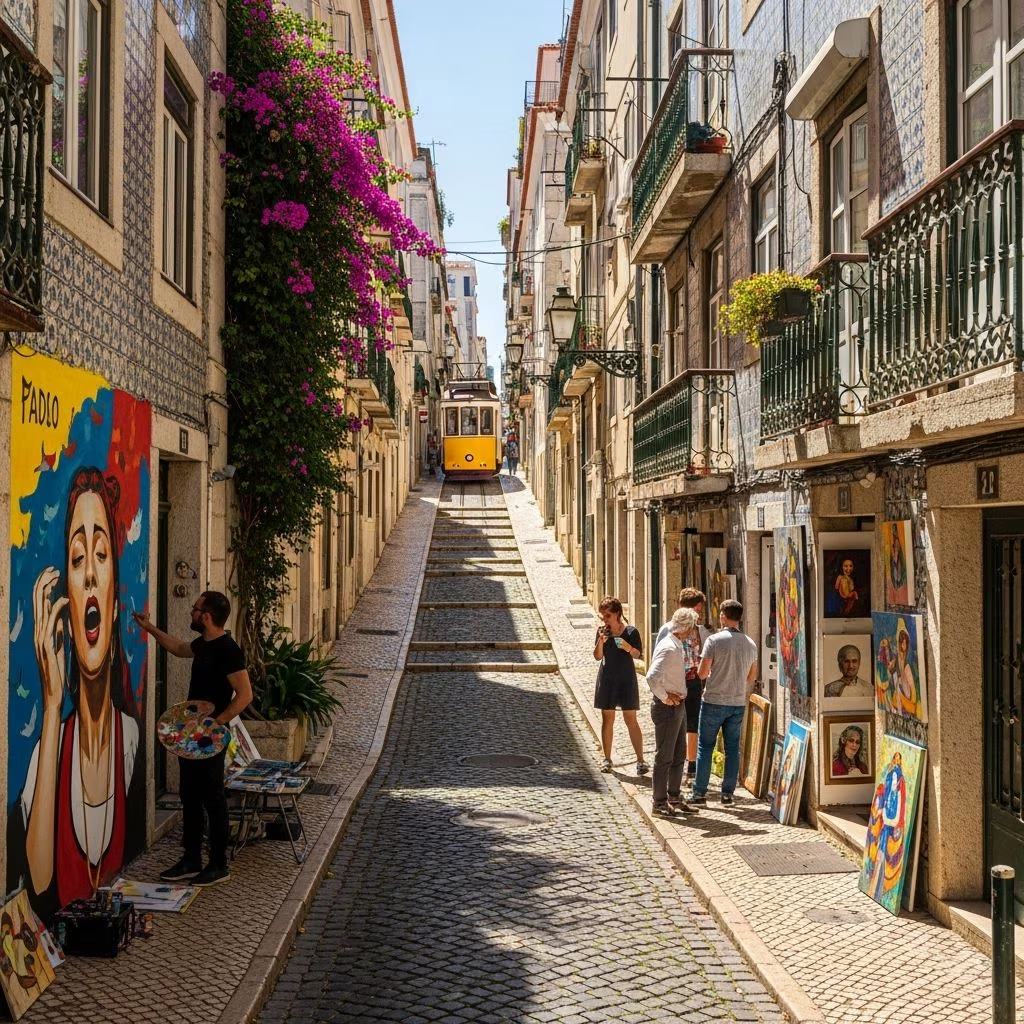
Lisbon’s walls serve as a living gallery, transformed by post-1974 revolution graffiti into bold political and artistic statements. Bohemian Bairro Alto buzzes with colorful murals amid antique shops, while emerging artists continue this tradition citywide.
This outdoor museum reflects Lisbon’s youthful energy, blending rebellion with beauty.
Lisbon’s institutions bridge epochs, from tiled chronicles to futuristic designs. The National Tile Museum (Museu Nacional do Azulejo), set in a 16th-century convent, traces azulejo evolution—glazed ceramic tiles depicting history, myths, and daily life.
These venues offer intimate encounters with Portugal’s aesthetic legacy.
Fado, Lisbon’s UNESCO-recognized intangible heritage, embodies saudade—a poignant longing expressed through guitar and impassioned vocals. Originating in Alfama and Mouraria, it thrives in intimate casas de fado.
Fado transcends entertainment, forging deep emotional connections with listeners.
Lisbon’s revival shines in spaces like Cordoaria Nacional, a former rope factory now hosting ARCOlisboa, drawing international galleries. MACAM fuses art with luxury hospitality, displaying Armando Martins’ 600-piece collection in unexpected settings.
Tram 28, the iconic yellow rattletrap, trundles through hilly neighborhoods, offering glimpses of azulejo facades and daily life.
Art and cuisine intertwine in Lisbon. Sample seafood at time-honored spots or join cooking classes for cataplana stews. Specialty coffee houses and pastelarias enhance the sensory experience.
No Lisbon odyssey is complete without Sintra, a 30-minute train ride away. This misty UNESCO haven features fairytale palaces like Pena with vivid hues and ornate details, plus Quinta da Regaleira’s mystical gardens and initiation wells.
Pair with Cabo da Roca, mainland Europe’s westernmost point, for dramatic cliffs and ocean vistas.
Choose intimate venues in Alfama or Bairro Alto for dinner shows combining music and cuisine, ensuring an authentic, immersive vibe.
The National Tile Museum showcases azulejos’ history in a former convent, with stunning panels and a historic city map.
Yes, post-revolution murals in Bairro Alto and beyond make it a vibrant, accessible art form; tours reveal the best spots.
Half a day suffices for monastery, tower, and monument, plus custard tarts—extend for MAAT nearby.
LX Factory excels here, merging galleries, design stores, and Ler Devagar bookstore in a trendy industrial setting.
