

 Travel Essentials
 Travel Essentials

Explore Portugal's captivating capital with insider recommendations on attractions, neighborhoods, dining, and practical travel essentials for an unforgettable Lisbon experience.
 Travel Essentials
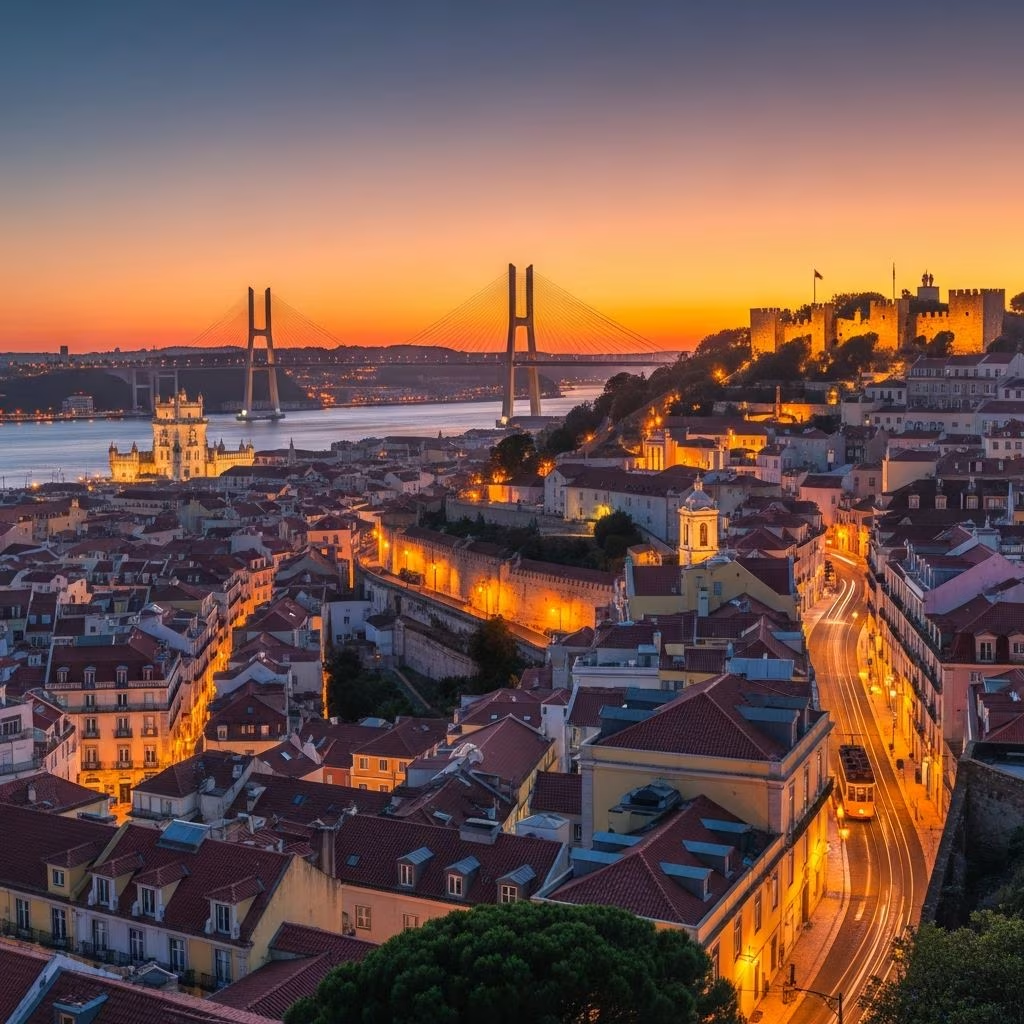
Lisbon stands as one of Europe’s most captivating and underappreciated destinations, offering visitors an intoxicating blend of historic charm, cultural vibrancy, and culinary excellence. Perched on seven hills overlooking the Tagus River, Portugal’s capital city seamlessly weaves together centuries of history with a contemporary energy that attracts travelers seeking authentic experiences beyond crowded tourist circuits. Whether you’re planning a quick weekend escape or an extended exploration, this comprehensive guide will help you navigate Lisbon’s treasures and make the most of your visit.
Lisbon’s personality emerges from its tumultuous past and resilient spirit. The city has endured earthquakes, invasions, and maritime transformations that have shaped its architecture, neighborhoods, and cultural identity. Today, these historical layers create a visually stunning backdrop where medieval alleyways intersect with grand plazas, where tile-adorned facades catch the Mediterranean light, and where centuries-old traditions continue alongside modern urban vitality. The city’s topography—those famous seven hills—creates natural amphitheaters of whitewashed buildings that cascade toward the river, offering constantly shifting perspectives and numerous opportunities for breathtaking views.
Lisbon’s character crystallizes in its distinct neighborhoods, each offering unique atmospheres and attractions worthy of exploration.
Alfama represents Lisbon’s oldest quarter, a labyrinthine neighborhood where narrow cobblestone streets twist between ancient buildings, and traditional fado music spills from small taverns into the evening air. This historic district, which survived the catastrophic 1755 earthquake through fortunate geographic positioning, maintains an authenticity that captivates visitors seeking genuine cultural encounters. Wandering Alfama’s passages feels like stepping backward in time, where clotheslines stretch between buildings, small neighborhood shops sell traditional goods, and locals greet each other from window to window. The neighborhood naturally draws visitors toward its hilltop crown, where São Jorge Castle dominates the skyline.
Reconstructed after the 1755 earthquake according to Marquês de Pombal’s visionary urban plan, Baixa presents an orderly contrast to Alfama’s organic chaos. This downtown district features a geometric grid of streets lined with elegant neoclassical buildings, welcoming plazas, and commercial establishments ranging from traditional family businesses to contemporary boutiques. Praça do Comércio, the monumental waterfront square anchoring this neighborhood, provides an iconic gathering point where the city’s grandeur becomes immediately apparent. The district’s accessibility and concentration of services make it a natural hub for orientation and exploration.
Chiado pulses with artistic and intellectual energy, housing galleries, theaters, bookstores, and cafés that have attracted creative minds for generations. This neighborhood bridges Baixa’s orderly streets and Bairro Alto’s bohemian spirit, offering elevated terrain with cultivated culture. Historic establishments like A Brasileira Café and Livreria Bertrand—recognized as the world’s oldest operating bookstore—anchor Chiado’s cultural identity while contemporary galleries and design shops demonstrate the neighborhood’s ongoing evolution.
Bairro Alto transforms dramatically between day and night. During daylight, its steep streets and residential character create a quiet, contemplative atmosphere. Once evening arrives, the neighborhood erupts with energy as bars, restaurants, and music venues open their doors. This transformation makes Bairro Alto essential for experiencing Lisbon’s nightlife while also offering daytime appeal for those seeking authentic neighborhood wandering.
Belém holds tremendous historical significance as the launching point for Portugal’s Age of Discovery expeditions. This riverside district houses monumental architecture celebrating Portugal’s maritime heritage and global impact. Beyond its historical monuments, Belém offers riverfront charm, traditional pastry shops, and a more relaxed pace than downtown neighborhoods, making it ideal for leisurely afternoon exploration combined with cultural education.
| Attraction | Location | Highlights | Estimated Time |
|---|---|---|---|
| São Jorge Castle | Alfama | Panoramic city views, Moorish fortress ruins, historical perspectives | 2 hours |
| Jerónimos Monastery | Belém | Manueline architecture masterpiece, UNESCO recognition, intricate stonework | 90-120 minutes |
| Belém Tower | Belém | Age of Discovery symbol, architectural details, riverside location | 45 minutes |
| Praça do Comércio | Baixa | Grand waterfront plaza, historic significance, atmospheric gathering space | 30 minutes |
| Carmo Convent | Chiado | Earthquake-damaged Gothic structure, open-air ruins, museum | 45 minutes |
Lisbon’s hilltop setting creates numerous miradouros—traditional viewpoints—offering stunning perspectives of the cityscape and river. São Pedro de Alcântara provides expansive city views beloved by photographers, while Santa Justa Lift combines vertical transportation with elevated vantage points. Graça Church offers peaceful viewing spaces less crowded than commercial viewpoints. Experiencing the city from multiple elevations reveals Lisbon’s architectural diversity and geographic beauty in constantly surprising ways.
Tram 28 represents far more than simple transportation—it’s an iconic Lisbon experience where the vintage yellow vehicle winds through historic neighborhoods, offering mobile sightseeing while navigating steep hills and tight curves. The scenic route connects multiple districts and provides entertainment alongside practical connectivity, though it attracts considerable tourist traffic during peak hours.
Lisbon’s comprehensive metro, bus, and tram systems enable efficient exploration throughout the city and surrounding regions. Day passes provide economical unlimited access, while tourist cards offer additional museum discounts and cultural benefits. Walking remains rewarding for neighborhood exploration, though the city’s dramatic elevation changes require preparation and comfortable footwear.
Lisbon’s food scene extends far beyond Pastel de Nata—Portugal’s famous custard tart—though this pastry remains an essential tasting. Time Out Market brings together celebrated local chefs and restaurants in marketplace format, offering curated culinary experiences. Traditional establishments serve bifana (marinated pork sandwiches), caldo verde (kale soup), and fresh seafood prepared according to generations-old recipes. The city’s coffee culture deserves particular attention, with neighborhood cafés serving Portuguese espresso stronger and more concentrated than continental varieties.
Fado represents Portugal’s soul—a haunting musical tradition expressing longing, melancholy, and resilience. Authentic fado performances occur in small Alfama venues where intimacy and genuine emotion take precedence over production values. Experiencing fado typically involves dinner and drinks in intimate settings where musicians perform traditional repertoire with emotional depth. This cultural immersion provides genuine insight into Portuguese character and historical consciousness.
Spring and fall emerge as optimal visiting seasons, offering comfortable temperatures and manageable tourist numbers. April through June brings pleasant weather and blooming vegetation, while September through November provides similar advantages with potentially fewer crowds. Summer delivers predictable sunshine but peaks tourist traffic and heat, while winter offers solitude and affordability though occasional wet weather. Each season presents distinct advantages depending on traveler priorities and tolerance for crowds.
Lisbon offers exceptional value compared to northern European capitals, with daily costs ranging from €60-120 per person excluding accommodation. This affordability extends to attractions, dining, and entertainment, making extended stays financially accessible. Budget-conscious travelers can maximize experiences through strategic planning and neighborhood exploration beyond principal tourist zones.
Day One: Historic Core and Medieval Quarters
Day Two: Belém’s Historical Monuments and Contemporary Culture
Day Three: Neighborhood Immersion and Day Trip Options
Day trips expand Lisbon experiences beyond downtown attractions. Sintra, accessible via regional train, features romantic palaces and atmospheric hill towns perched amid lush vegetation. Cascais and Estoril provide coastal alternatives with beach culture and seaside dining. Óbidos and Ericeira offer medieval charm and artisanal character respectively. These accessible day trips allow visitors to experience diverse Portuguese landscapes and cultural expressions without requiring overnight relocations.
Spring (April-May) and fall (September-October) offer ideal conditions with pleasant temperatures and moderate tourism. Summer brings crowds and heat, while winter provides solitude but potential rain.
Three days provides sufficient time for major attractions and neighborhood exploration. Five to seven days allows leisurely pacing and day trip flexibility. Extended stays enable deeper cultural immersion and less-visited neighborhood discovery.
Yes, though the city’s dramatic elevation changes require physical preparation. Public transportation complements walking through neighborhoods. Comfortable footwear remains essential for serious exploration.
Essential experiences include Pastel de Nata, bifana sandwiches, caldo verde, fresh seafood, and Portuguese wine. Time Out Market and traditional family restaurants offer authentic culinary encounters.
Lisbon provides exceptional value compared to other Western European capitals. Daily costs ranging €60-120 per person make extended stays affordable while maintaining quality experiences.
Lisbon succeeds as a destination through its authentic character, historical depth, and contemporary vitality. Rather than presenting itself primarily as a museum piece, the city continues evolving while honoring its heritage. The combination of world-class attractions, vibrant neighborhoods, exceptional cuisine, and genuine warmth creates experiences that resonate long after departure. Whether experiencing fado in Alfama, ascending to São Jorge Castle for panoramic perspectives, or discovering contemporary art in converted industrial spaces, Lisbon offers multiple entry points into Portuguese culture and European history. This balance between preservation and innovation, tradition and modernity, accessibility and discovery defines Lisbon’s enduring appeal and positions it among Europe’s most rewarding destinations for travelers seeking authentic, multifaceted urban exploration.
