

 Travel Essentials
 Travel Essentials

Compare Lisbon and Porto: from architecture and food scenes to costs and day trips. Learn why both cities shine and how to visit them together.
 Travel Essentials
Portugal’s two largest cities, Lisbon and Porto, offer distinct experiences for travelers. Lisbon captivates with its sunny energy, diverse attractions, and coastal access, while Porto enchants with its compact historic core, wine heritage, and introspective charm. This guide breaks down key differences to help you choose or combine them.
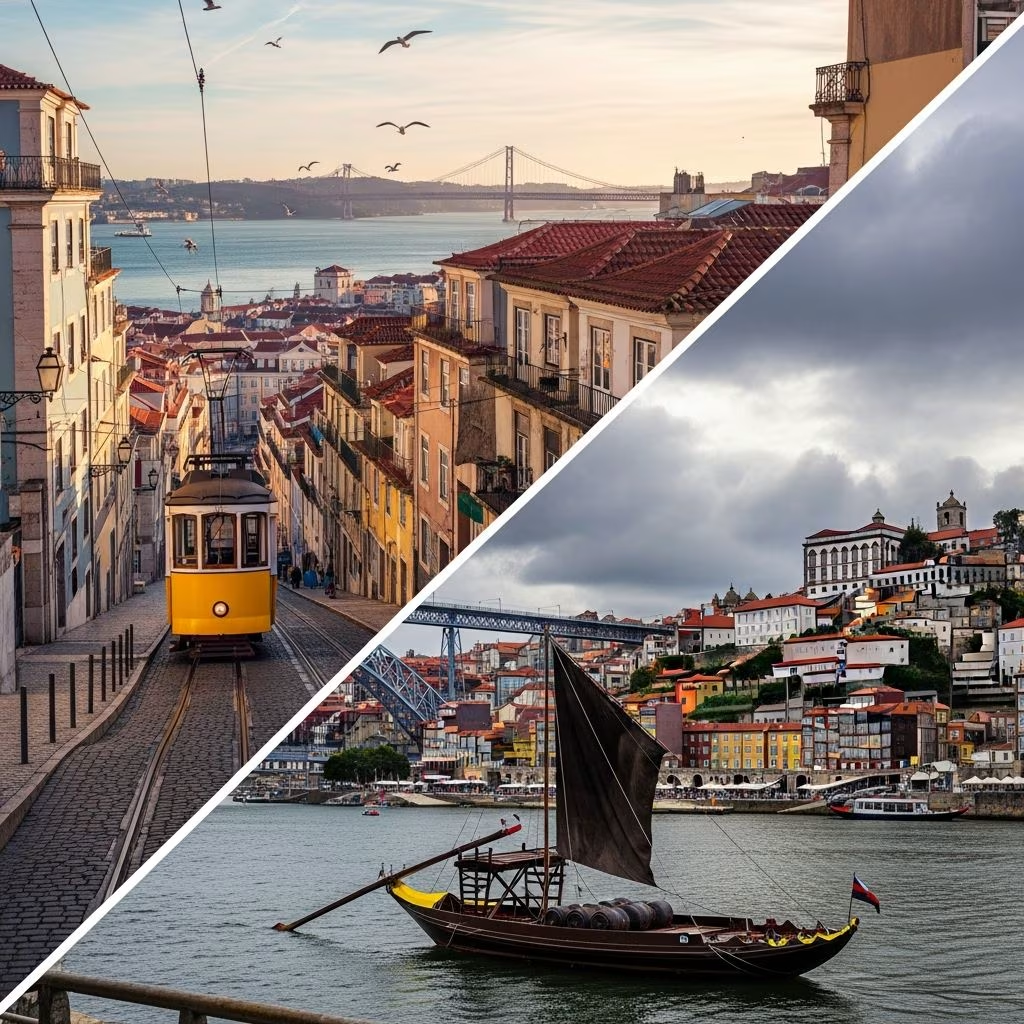
Lisbon, Portugal’s capital, sprawls across seven hills with colorful buildings, trams clanging through streets, and ocean breezes. It’s larger, covering over 100 square kilometers, and buzzes with international visitors exploring neighborhoods like Alfama and Bairro Alto.
Porto, the northern counterpart, is more contained at about 41 square kilometers, featuring riverside views along the Douro, medieval alleys, and azulejo-tiled facades. Its atmosphere feels more authentic and less tourist-saturated, drawing those seeking a relaxed pace.
| Aspect | Lisbon | Porto |
|---|---|---|
| Size | Larger, 100+ sq km | Compact, 41 sq km |
| Vibe | Vibrant, sunny, chaotic | Moody, historic, laid-back |
| Best For | Diversity, beaches | History, wine |
Lisbon’s architecture blends Moorish influences, Manueline styles, and modern pastéis de nata spots. Iconic sites include São Jorge Castle overlooking terracotta roofs and the aqueduct spanning valleys. The city’s scruffy charm evokes southern Europe’s lively disorder.
Porto boasts medieval roots with 14th-century structures, neo-Gothic gems like Livraria Lello—famed for Harry Potter ties—and art nouveau buildings in Bonfim. Its riverside Ribeira district glows at dusk, offering graceful sophistication.
For sheer volume, Lisbon leads with museums like the National Tile Museum, Belém Tower, and Jerónimos Monastery—UNESCO sites showcasing maritime history. Neighborhood wanders reveal fado music haunts and street art.
Porto focuses on quality over quantity: Clérigos Tower for panoramas, São Bento Station’s azulejos, and port wine cellars across the river. It’s ideal for immersive strolls rather than checklist tourism.
Winner for attractions: Lisbon, due to variety and scale.
Lisbon’s culinary landscape is expansive, from seafood at Time Out Market to innovative fusion in Chiado. Pastéis de nata originated here at Pastéis de Belém, and diverse eateries cater to global tastes.
Porto excels in hearty northern fare: francesinha sandwiches, fresh seafood, and world-class port wine tastings in Vila Nova de Gaia. Its food scene feels more local and value-driven.
| Dish/Drink | Lisbon Highlight | Porto Highlight |
|---|---|---|
| Sweet Treat | Pastéis de nata | Bolinhos de bacalhau |
| Signature Drink | Ginjinhas | Port wine |
| Meal Style | Diverse, trendy | Hearty, traditional |
Lisbon pulses after dark with Bairro Alto bars spilling onto streets, rooftop clubs in Cais do Sodré, and fado houses. It’s the go-to for party seekers.
Porto offers cozy rabelo boat bars, live music in Galerias de Paris, and a calmer vibe—perfect for wine lovers winding down.
Winner: Lisbon for intensity; Porto for intimacy.
Both are hilly, but Porto’s smaller scale makes it more pedestrian-friendly. Cobblestone streets challenge mobility, yet everything clusters centrally.
Lisbon’s trams, metro, and funiculars ease navigation across its expanse. Elevators like Santa Justa help with inclines.
Porto edges out as more affordable: cheaper accommodations, meals around €10-15, and free walking routes. Lisbon’s popularity inflates prices, with hotels €100+ nightly.
Daily budgets: Lisbon €80-120/person; Porto €60-100/person, excluding travel.
From Lisbon: Sintra’s palaces (20-min train), Cascais beaches, or Óbidos medieval village. Coastal variety abounds.
Porto’s star is Douro Valley wine tours (1-hour drive/train), plus Guimarães (birthplace of Portugal) and Braga’s cathedral.
Top pick: Lisbon for beaches; Porto for wine country.
Lisbon enjoys milder, sunnier climes year-round—summers 25-30°C, winters mild. Porto is cooler, rainier, especially north.
Visit Lisbon spring/fall for crowds; Porto anytime, dodging winter rains.
Absolutely feasible: 3-hour Alfa Pendular train (€25-40) links them scenicly. Ideal itinerary: 5 days Lisbon (with Sintra), 3-4 days Porto (Douro day trip). Fly into one, out the other.
Open-jaw flights save time. Total 8-10 days perfect for both.
| Traveler Type | Best City | Why |
|---|---|---|
| First-timer/Solo | Porto | Smaller, safer feel |
| Beach Lover | Lisbon | Easy coastal access |
| Foodie | Lisbon | More options |
| Wine Enthusiast | Porto | Port & Douro |
| Budget | Porto | Lower costs |
| Nightlife | Lisbon | Vibrant scene |
Porto for its manageability; Lisbon for broader intro. Combine both.
3 hours by fast train.
Porto overall.
Porto—flatter core, less overwhelming.
Yes: 3-4 days each.
No clear winner—Lisbon dazzles with scale and sun; Porto captivates with soul and savings. Tailor to your style or savor both for Portugal’s full essence.
