

 Travel Essentials
 Travel Essentials

Explore Little Corn Island's untouched beaches, vibrant marine life, and relaxed island culture in this comprehensive guide to Nicaragua's off-grid gem.
 Travel Essentials
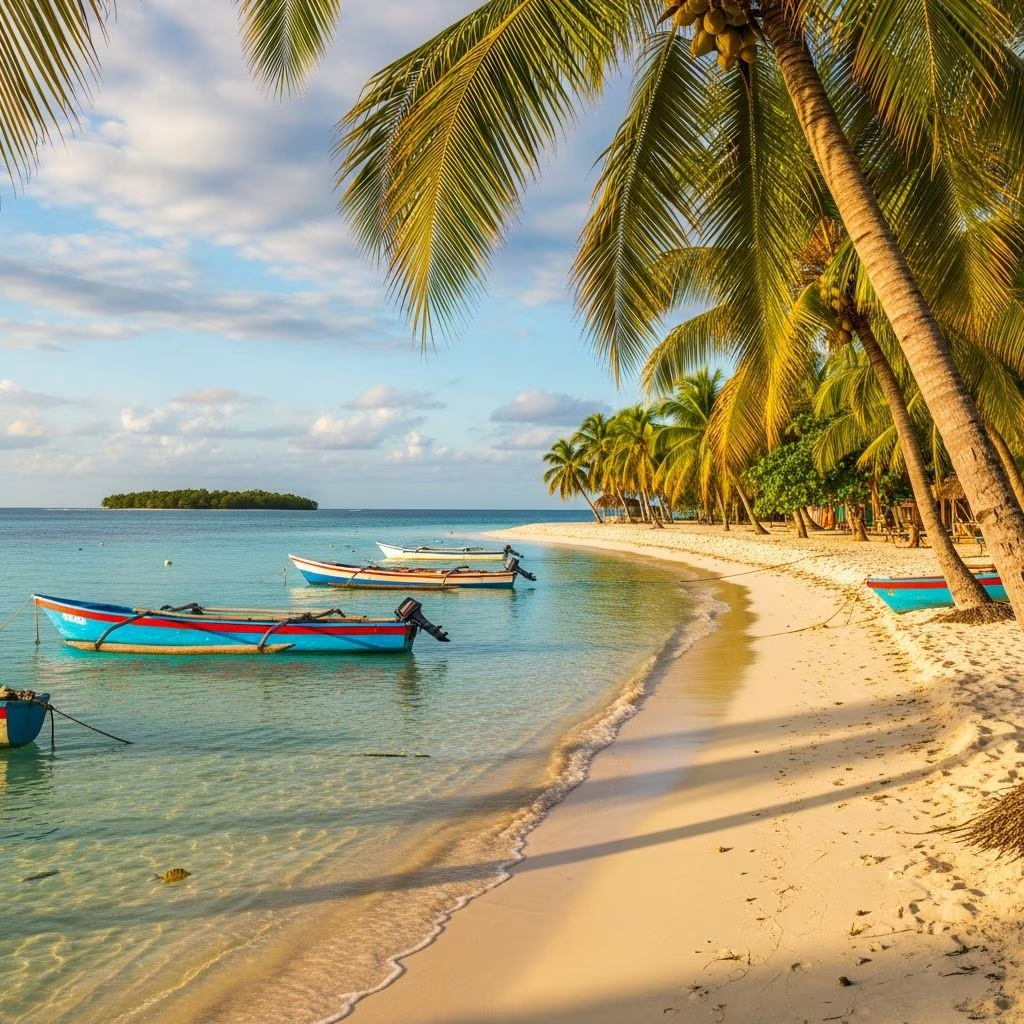
This diminutive speck in the Caribbean Sea, just 2.9 square kilometers of pure, unspoiled beauty, beckons travelers seeking respite from the modern world. Little Corn Island, located about 80 kilometers off Nicaragua’s eastern coast, stands out for its absence of motorized vehicles, paved roads, and overwhelming tourist crowds. Instead, it offers a symphony of gentle waves, swaying palms, and a community rhythm that feels suspended in time.
Imagine waking to the sound of roosters crowing amid dense jungle foliage, stepping out to sip fresh coconut water while gazing at endless turquoise horizons. This is the essence of Little Corn, a place where time slows and nature dominates. Unlike its larger sibling, Big Corn Island, Little Corn maintains an intimate scale, fostering a sense of discovery around every sandy bend. Visitors often describe it as a ‘soul-restoring’ retreat, perfect for those craving disconnection from digital distractions and urban hustle.
The island’s allure lies in its raw authenticity. Dense vegetation blankets much of the interior, giving way to powdery white sands fringed by coral reefs teeming with life. With no ATMs or banks, cash is king, encouraging mindful spending and deeper immersion in local life. This off-grid charm draws eco-conscious adventurers, divers, and beach lovers who prioritize experiences over conveniences.
Reaching Little Corn requires a bit of planning but rewards with unparalleled serenity. Start in Managua, Nicaragua’s capital, then fly to Big Corn Island via domestic airlines like La Costeña. Flights take about 1.5 hours and operate daily, weather permitting. From Big Corn’s lively port, hop on a panga—a swift motorized boat—for the 45-minute crossing to Little Corn. These boats depart several times daily, but confirm schedules as seas can be choppy.
Upon arrival at the dock, porters with wheelbarrows assist with luggage, a nod to the island’s car-free ethos. From here, footpaths lead to accommodations scattered along the southwest shore.
Lodging options range from rustic beach shacks to eco-cabins prioritizing sustainability. Many feature open-air showers fed by rainwater, solar power, and composting toilets—embracing the island’s low-impact lifestyle. Expect rates from $20–$100 per night, often including meals.
| Accommodation Type | Location | Key Features | Price Range (USD/night) |
|---|---|---|---|
| Beach Huts | Southwest Coast | Hammocks, sea views, communal dining | 20–40 |
| Eco-Cabins | Central Paths | Solar energy, private baths, jungle access | 40–70 |
| Dive Resorts | Northwest Beaches | Snorkel gear, on-site PADI courses | 70–100 |
Choose based on vibe: budget backpackers favor casual huts, while families or couples opt for more private setups. Most spots emphasize communal meals, fostering connections with fellow travelers and locals.
The island’s coastline delivers postcard perfection. Start at the main southwest beach, then trek north to secluded coves where sands meet rocky outcrops. Paths wind through mangroves and palm groves, revealing secret swims and picnic spots. The northern tip boasts deserted stretches ideal for shelling or sunset watching.
Little Corn sits atop a vibrant reef system, part of the Mesoamerican Barrier Reef. Snorkel straight from shore to spot turtles, rays, and colorful fish. For deeper thrills, certified dive shops offer trips to sites like Walter’s Rock, known for shark sightings and coral gardens. Visibility often exceeds 30 meters, making it a diver’s dream.
Hike the interior paths to the hilltop lighthouse, offering 360-degree panoramas. En route, pass organic farms where locals grow cassava, plantains, and spices. These walks, 30–90 minutes, showcase wildlife like howler monkeys and iguanas.
Food here is fresh, flavorful, and unhurried. Creole influences shine in dishes like rundown—fish stewed in coconut milk with breadfruit—and lobster grilled with garlic. Beachside eateries serve meals family-style, with waiting times adding to the relaxed pace.
Don’t miss:
Vegetarian options abound with veggie patties and callaloo soups. Dining costs $5–$15 per plate, supporting island families.
Life on Little Corn pulses with Creole rhythms—English patois, reggae beats, and communal vibes. Locals fish, farm, and welcome visitors warmly. Respect customs: greet with smiles, tip porters, and adapt to ‘island time’ where schedules flex.
Sustainability matters—avoid single-use plastics, support eco-lodges, and tread lightly on reefs. The community thrives on tourism done right, preserving this haven for generations.
Pack light: swimsuits, reef-safe sunscreen, headlamp, dry bag. Budget $50–$100 daily for food, activities, lodging.
Yes, it’s renowned for its friendly, low-crime atmosphere. Stick to well-trodden paths at night.
3–5 days allows full exploration without rushing.
Yes, night kayaks reveal glowing waters, especially post-rain.
Stick to bottled or boiled; rainwater is common in lodges.
No—bring ample cash from Big Corn.
To keep Little Corn pristine, choose operators with reef-safe practices, minimize waste, and learn basic Creole phrases. Support conservation via beach cleanups or donations to marine sanctuaries. This fragile ecosystem depends on mindful visitors.
In summary, Little Corn Island isn’t just a destination; it’s a reset button for the weary soul. Its blend of natural splendor, cultural warmth, and off-grid simplicity creates memories that linger long after departure.
