

 Travel Essentials
 Travel Essentials

Explore Livingston, Montana's historic town combining fly-fishing, hiking, and cultural attractions as the ideal launchpad for Yellowstone National Park adventures.
 Travel Essentials
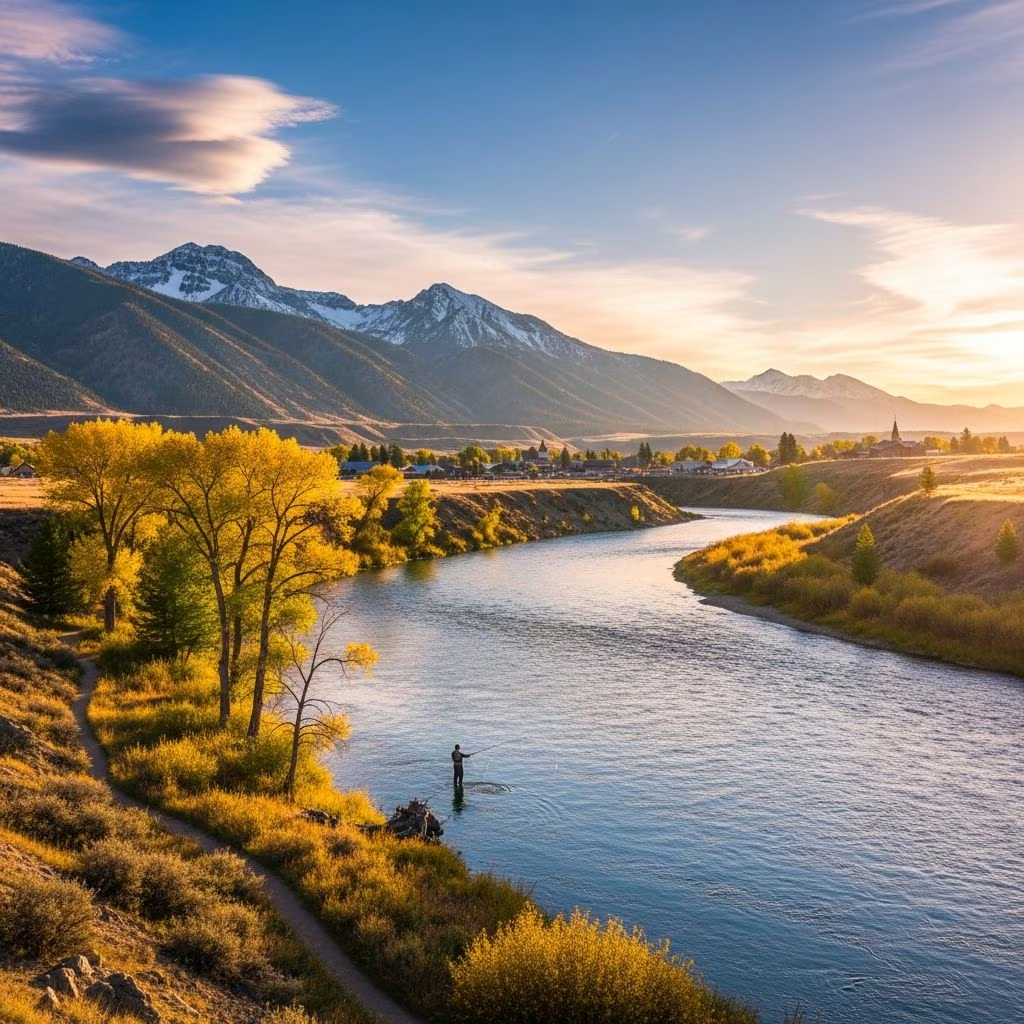
Nestled along the banks of the Yellowstone River and surrounded by four majestic mountain ranges, Livingston, Montana represents a distinctive destination for travelers seeking authentic Western experiences combined with unparalleled access to natural wonders. This historic railroad town, established in the late 1880s, has evolved from a frontier hub into a thriving community that seamlessly blends cultural attractions with world-class outdoor recreation. For those planning a Yellowstone National Park expedition, Livingston offers a compelling alternative to crowded gateway towns, providing genuine hospitality, artistic vitality, and adventure opportunities that extend far beyond the park’s boundaries.
Livingston’s transformation from remote frontier settlement to established community traces directly to the Northern Pacific Railroad’s 1882 arrival. This pivotal moment fundamentally shaped the town’s character and economic structure, establishing Livingston as the original gateway city to Yellowstone National Park. The railroad infrastructure that once drove commerce and transportation now stands as a testament to the region’s heritage, with the meticulously preserved Livingston Depot Center serving as both museum and cultural landmark.
The town’s historic downtown district maintains authentic Western architecture and character, creating an atmospheric environment where visitors can genuinely experience Montana’s frontier past. Rather than presenting polished recreations of historical periods, Livingston offers genuine structures and streetscapes that have organically evolved over more than a century. This authentic preservation distinguishes the town from commercialized tourist destinations and appeals to visitors seeking meaningful historical context.
Livingston’s positioning along the Yellowstone River creates natural advantages for travelers. Located approximately 55 miles from Yellowstone National Park’s North Entrance at Gardiner, the town provides a scenic drive through the legendary Paradise Valley, presenting one of the most dramatic and picturesque approaches to the park. For visitors traveling via Interstate 90, Livingston serves as a convenient waypoint, with the first exit leading directly to Park Street and Route 89, which connects to Yellowstone’s entrance.
Beyond Yellowstone access, Livingston’s central location positions it as an ideal base for exploring extensive wilderness areas throughout southwestern Montana. The town lies within reach of the Bridger Mountains to the north, the Absaroka Range to the south, and the Gallatin Range to the southwest, creating a geographic hub for diverse outdoor pursuits accessible from numerous trailheads and recreation areas.
The Yellowstone River, recognized as the longest free-flowing river in the lower 48 states, flows directly through Livingston and represents a primary attraction for angling enthusiasts worldwide. The river’s cold, clear waters sustain thriving populations of cutthroat, brown, and rainbow trout, attracting dedicated fly-fishers from across the globe seeking premier fishing experiences.
Local outfitters and guide services offer comprehensive fly-fishing programs for all skill levels, from complete beginners to experienced anglers seeking advanced techniques. Beyond the main river channel, the region provides access to 14 fishing access sites, ensuring diverse fishing opportunities throughout various seasons. The surrounding mountainous terrain feeds numerous tributary streams and alpine lakes, expanding fishing possibilities throughout the broader watershed.
Livingston functions as a premier trailhead hub with hundreds of miles of Forest Service trails accessible throughout the surrounding mountains. Several dozen established trailheads provide options ranging from moderate day hikes to challenging backcountry expeditions.
The region’s diverse elevation ranges create distinct ecological zones, allowing visitors to experience varied landscape types from river valleys to alpine tundra within relatively short distances. Summer hiking conditions typically extend from June through September, with earlier and later seasons offering quieter trail experiences and changing natural phenomena.
Livingston’s transformation into an arts-centered community has revitalized the downtown district, attracting artists, galleries, theaters, and cultural institutions. The town now hosts multiple galleries showcasing local and regional artwork, including the Obsidian Collection Gallery featuring contemporary and traditional works by regional artists.
The cultural calendar includes live theater productions, musical performances, and community events throughout the year. These cultural offerings provide entertainment and intellectual engagement beyond outdoor activities, creating a balanced vacation experience combining natural beauty with artistic appreciation.
Livingston’s dining establishments reflect the region’s agricultural heritage and culinary sophistication. Farm-to-table restaurants prominently feature locally-raised meats and seasonal produce, connecting diners directly to Montana’s ranching and farming traditions. Mustang Fresh Food & Catering exemplifies this approach, emphasizing Montana ingredients and sustainable practices.
The downtown shopping district combines practical retail with unique boutique experiences. Elk River Books specializes in Western-themed literature and regional publications, while Gil’s Goods offers gourmet groceries and prepared deli selections appealing to travelers and locals alike. These independent establishments contrast sharply with chain retailers, providing genuine community character and distinctive merchandise unavailable in mass-market stores.
The Livingston Roundup, held annually in July and known locally as “Cowboy Christmas,” represents one of Montana’s most authentic rodeo experiences. This event attracts participants and spectators who appreciate genuine Western culture and rodeo traditions, including professional-caliber competitions, family activities, and evening fireworks. The Roundup’s emphasis on authentic cowboy culture and ranching heritage distinguishes it from commercialized entertainment, offering visitors genuine cultural immersion.
Livingston’s outdoor recreation extends throughout all four seasons, with distinct opportunities emerging during each period. Winter brings cross-country skiing, dogsledding, and snowshoeing on trails throughout the surrounding mountains. The Bridger Bowl ski resort, situated less than one hour’s drive from downtown, provides accessible alpine skiing for various ability levels.
Spring and fall offer milder conditions ideal for hiking, fishing, and mountain biking, often with fewer crowds than summer months. These shoulder seasons present excellent opportunities for experiencing the landscape’s natural transitions and enjoying more solitude on popular trails.
These attractions provide entertainment and educational opportunities for families with children of various ages, ensuring that multigenerational trips offer activities suiting different interests and energy levels.
Livingston’s accommodation spectrum ranges from boutique hotels within the historic downtown district to contemporary lodges positioned along the Yellowstone River. Many establishments emphasize personalized service and distinctive character rather than corporate standardization. This diversity allows visitors to select lodging matching their preferences, budgets, and aesthetic sensibilities, from rustic cabin experiences to refined hospitality venues.
| Season | Primary Activities | Weather Characteristics | Crowd Levels |
|---|---|---|---|
| Summer (June-August) | Hiking, fly-fishing, river rafting, rodeos | Warm days, cool nights, occasional afternoon thunderstorms | Peak season with higher visitor volumes |
| Fall (September-October) | Hiking, fishing, photography | Cool temperatures, variable precipitation, dramatic color changes | Moderate crowds, excellent hiking conditions |
| Winter (November-February) | Cross-country skiing, dogsledding, snowshoeing | Cold temperatures, significant snowfall in mountains | Minimal crowds, specialized winter recreation |
| Spring (March-May) | Fishing, hiking, wildlife observation | Variable weather, warming trends, spring runoff | Low to moderate crowds |
Summer months (June-August) offer optimal conditions for hiking and river activities, though increased visitor volumes require advanced accommodation reservations. Shoulder seasons (September-October and April-May) provide excellent weather for outdoor pursuits with reduced crowds and lower lodging costs.
Livingston is located approximately 55 miles north of Yellowstone’s North Entrance at Gardiner, accessible via the scenic Paradise Valley drive along Route 89. This positioning provides reasonable day-trip access while allowing visitors to base themselves in the town’s more intimate community environment.
Professional guide services and local outfitters offer instruction for all skill levels, from beginners to advanced anglers. Many operators provide equipment rental, technique instruction, and guided trips tailored to participants’ abilities and interests.
Yes, Livingston offers family-friendly lodging options, plus numerous parks, playgrounds, museums, and recreational facilities designed for younger visitors. Many restaurants accommodate dietary preferences and offer children’s menu options.
Clothing should accommodate temperature variations between seasons and elevations. Layering systems work effectively for most seasons. Sturdy hiking boots, sun protection, insect repellent, and weather-appropriate outerwear are essential. Fishing enthusiasts should bring or rent specialized equipment.
Livingston is accessible via Interstate 90 for visitors traveling from either east or west. The town’s first exit provides direct access to Park Street, connecting to downtown and regional attractions. Private vehicle travel is essential for exploring surrounding mountain areas and Yellowstone, as public transportation options are limited. Visitors should plan adequate travel time for mountain driving, which typically proceeds slowly due to terrain and weather conditions, particularly during winter months or following precipitation.
Livingston delivers a compelling fusion of authentic Western heritage, world-class outdoor recreation, and emerging cultural vitality. Rather than serving solely as a transit point to Yellowstone National Park, the town merits extended exploration and appreciation as a destination offering distinctive experiences unavailable elsewhere. Whether drawn by pristine fly-fishing waters, alpine hiking trails, historic railways, or vibrant artistic communities, Livingston provides genuine Montana experiences that transcend typical tourist destinations and create lasting travel memories.
