


 Food & Culture
Food & Culture
Loire Valley Travel Guide: Châteaux, Cycling, Wine & Da Vinci
Explore the best attractions in Loire Valley: majestic châteaux like Chenonceau and Chambord, river adventures, troglodyte caves, da Vinci sites, and vibrant gardens for an unforgettable French escape.
 Food & Culture
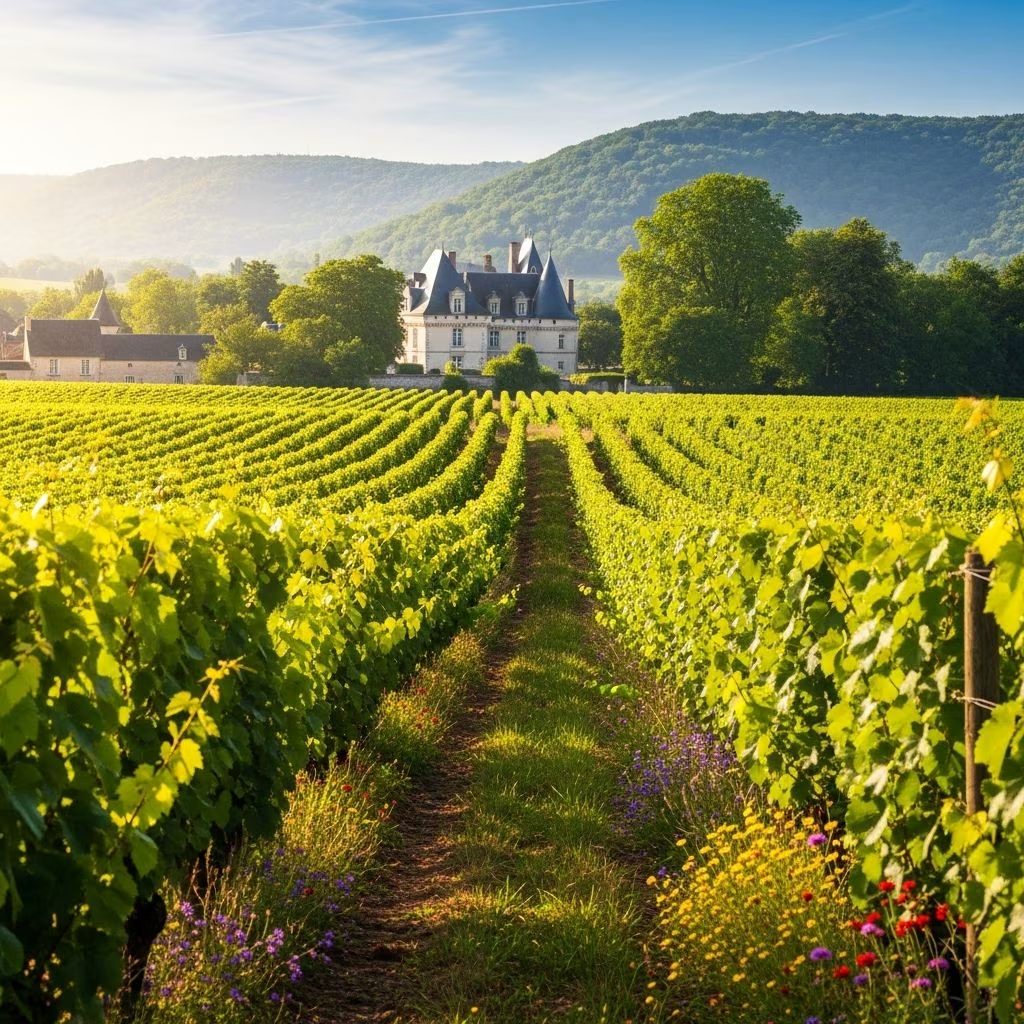
The Loire Valley in central France stands as a testament to Renaissance splendor, natural beauty, and culinary excellence. Stretching along Europe’s last untamed river, this UNESCO World Heritage area captivates with over 300 châteaux, lush vineyards, and medieval villages. Whether seeking architectural marvels or serene outdoor pursuits, visitors find endless inspiration here.
Iconic Châteaux That Define the Renaissance
No trip is complete without immersing in the valley’s grand estates, built by kings and nobles during the 16th century. These fortresses evolved from defenses into lavish homes, showcasing intricate designs and opulent interiors.
Château de Chenonceau: The Ladies’ Castle
Gracefully arching over the Cher River, Château de Chenonceau earns its nickname from influential women like Diane de Poitiers and Catherine de’ Medici who shaped its destiny. Constructed starting in 1514, its 60-meter Grande Galerie once hosted extravagant balls and later served as a hospital in World War I and an escape route in World War II. Explore the riverside kitchens stocked with antique copperware and stroll manicured gardens rivaling Versailles in elegance.
- Best visited at dusk for stunning reflections in the water.
- Audio guides reveal tales of royal intrigue and wartime heroism.
- Adjacent maze and farm add family-friendly fun.
Château de Chambord: Architectural Masterpiece
Dominating 5,440 hectares of forest, Chambord’s double-helix staircase—attributed to Leonardo da Vinci—symbolizes royal ambition under King François I. With 426 rooms, 282 fireplaces, and rooftop terraces offering panoramic views, it’s a labyrinth of grandeur. Rent a HistoPad for interactive tours featuring augmented reality reconstructions and scavenger hunts.
| Activity | Duration | Cost Estimate |
|---|---|---|
| HistoPad Rental | 1.5 hours | €6.50 |
| Horse-Drawn Carriage | 45 minutes | €10-15/person |
| Golf Cart Rental | Flexible | €25/hour |
Château Royal de Blois and Château d’Amboise
Blois blends four architectural styles across its wings, from Gothic to Classical, with a grand helical staircase lit by lantern-like windows. Nearby, Amboise perches dramatically above the Loire, its chapel housing Leonardo da Vinci’s tomb. These sites offer insights into François I’s courtly life.
Outdoor Adventures Along the Loire
The valley’s landscapes invite active exploration, from pedal-powered paths to watery escapades on the river.
Cycling the Loire à Vélo Route
This 900-km network of flat, signposted trails winds through vineyards and past châteaux. Rent bikes in Tours or Amboise for day trips, stopping at wine cellars and picnic spots. Spring blooms and autumn foliage enhance the scenery.
- Family bikes and e-bikes available for all levels.
- Combine with Loire Valley Pass for châteaux entry discounts.
Boat Trips on the Wild Loire
Join traditional fisherfolk on a toue, flat-bottomed wooden boats once vital for salmon hauls. These 2-hour sails reveal sandbanks, herons, and beaver sightings while learning about sustainable practices. Fewer than 200 such fishers remain, preserving ancestral methods.
Underground Marvels and Troglodyte Life
Beneath the tuffeau limestone cliffs lie vast cave networks and cliffside dwellings, offering a stark contrast to surface opulence.
Saumur’s Troglodyte Villages and Caves
In Les Perrières, traverse 1,000 km of galleries, including a cavernous ‘cathedral’ with soaring vaults. Nearby villages like Montsoreau feature homes carved into rock, some housing museums on prehistoric life and winemaking. These sites illuminate how locals adapted to the terrain for millennia.
Practical tips:
- Wear sturdy shoes; paths are uneven.
- Guided tours in English available seasonally.
Leonardo da Vinci’s Lasting Legacy
Amboise claims the Renaissance polymath’s final years at Clos Lucé, connected by tunnel to the château where he advised the king. The manor displays models of his inventions—flying machines, tanks, and bridges—crafted to his sketches. Gardens feature full-scale replicas you can interact with, blending history and whimsy.
Connecting Da Vinci Sites
Pair Clos Lucé with Château d’Amboise’s pagoda chapel and Leonardo Park, where climbable machines spark imagination across ages.
Gardens and Culinary Delights
Vegetable parterres, labyrinths, and orchards elevate visits beyond stone walls.
Château de Villandry’s Renaissance Gardens
Three terraces showcase love, vegetable, and water themes with 12 symmetrical patterns clipped from boxwood. Seasonal blooms—from 50,000 tulips in spring to fiery maples in fall—frame fountains and pavilions. The floral workshop reveals behind-the-scenes bouquet creation.
Wine Tasting in Vine-Clad Hills
Sancerre whites, Chinon reds, and Saumur sparklers define the region’s oenology. Cycle between cellars in Vouvray or join tastings at family estates. Pair with goat cheeses like Selles-sur-Cher or rillettes.
| Wine Region | Signature Varietal | Pairing Suggestion |
|---|---|---|
| Saumur | Chenin Blanc | Fresh oysters |
| Chinon | Cabernet Franc | Game meats |
| Sancerre | Sauvignon Blanc | Local goat cheese |
Modern Marvels and Urban Escapes
Venture to Nantes for contemporary creativity at Les Machines de l’Île. A 12-meter mechanical elephant parades visitors, while a carousel spins sea monsters inspired by Verne and da Vinci. This shipyard rebirth fuses steampunk fantasy with engineering prowess.
Château de Cheverny: Living History
Still home to descendants of Henri Hurault, Cheverny boasts Louis XIV furnishings, a vast art collection, and daily hound-feeding spectacles. Boat across its lake and explore the orangerie gardens.
Planning Your Loire Valley Itinerary
Base in Tours or Blois for easy access. A 4-day plan:
- Day 1: Chenonceau and Amboise (da Vinci).
- Day 2: Chambord and Blois.
- Day 3: Villandry gardens, cycling, wine tasting.
- Day 4: Saumur caves, Nantes machines.
Use trains, buses, or rent a car. Book châteaux tickets online to skip lines. Best seasons: April-June or September-October for mild weather and fewer crowds.
Frequently Asked Questions
How many days for Loire Valley?
Minimum 3-4 days to cover highlights; a week allows deeper exploration.
Best châteaux for families?
Chambord (activities), Cheverny (hounds, boats), Villandry (gardens).
Is biking beginner-friendly?
Yes, Loire à Vélo is flat and scenic with rental options.
UNESCO status details?
Designated 2000 for cultural landscapes, châteaux, and river ecology.
Wine tasting without driving?
Opt for bike tours, e-bikes, or guided minivan excursions.
References
- UNESCO World Heritage Centre: The Loire Valley between Sully-sur-Loire and Chalonnes — UNESCO. 2000-01-01 (ongoing). https://whc.unesco.org/en/list/933/
- Château de Chenonceau Official Site — Chenonceau Estate. 2025-10-15. https://www.chenonceau.com/en/
- Château de Chambord Official Guide — Chambord Domain. 2025-04-01. https://www.chambord.org/en/
- Loire à Vélo Official Route — Région Centre-Val de Loire. 2024-03-20. https://www.loireavelo.com/en/
- Clos Lucé – Leonardo da Vinci Park — Amboise Manor. 2025-05-10. https://www.vinci-closluce.com/en/
← Previous
Best Places to Visit in Malta: Valletta, Gozo, Mdina & More
Next →
Costa Rican Food Guide: 20 Must-Try Dishes and Drinks
Related Reading
More in Food & Culture
Food & Culture Food & Culture
 Food & Culture
Best Places to Eat in Rome: Neighborhood Dining Guide
 Food & Culture
 Food & Culture