


 Food & Culture
Food & Culture
Longjing Tea: History, Flavor, and Hangzhou Plantation Guide
Explore Longjing tea's 1200-year history in Hangzhou's West Lake hills, from hand-picked leaves to pan-roasting artistry and must-visit plantations.
 Food & Culture
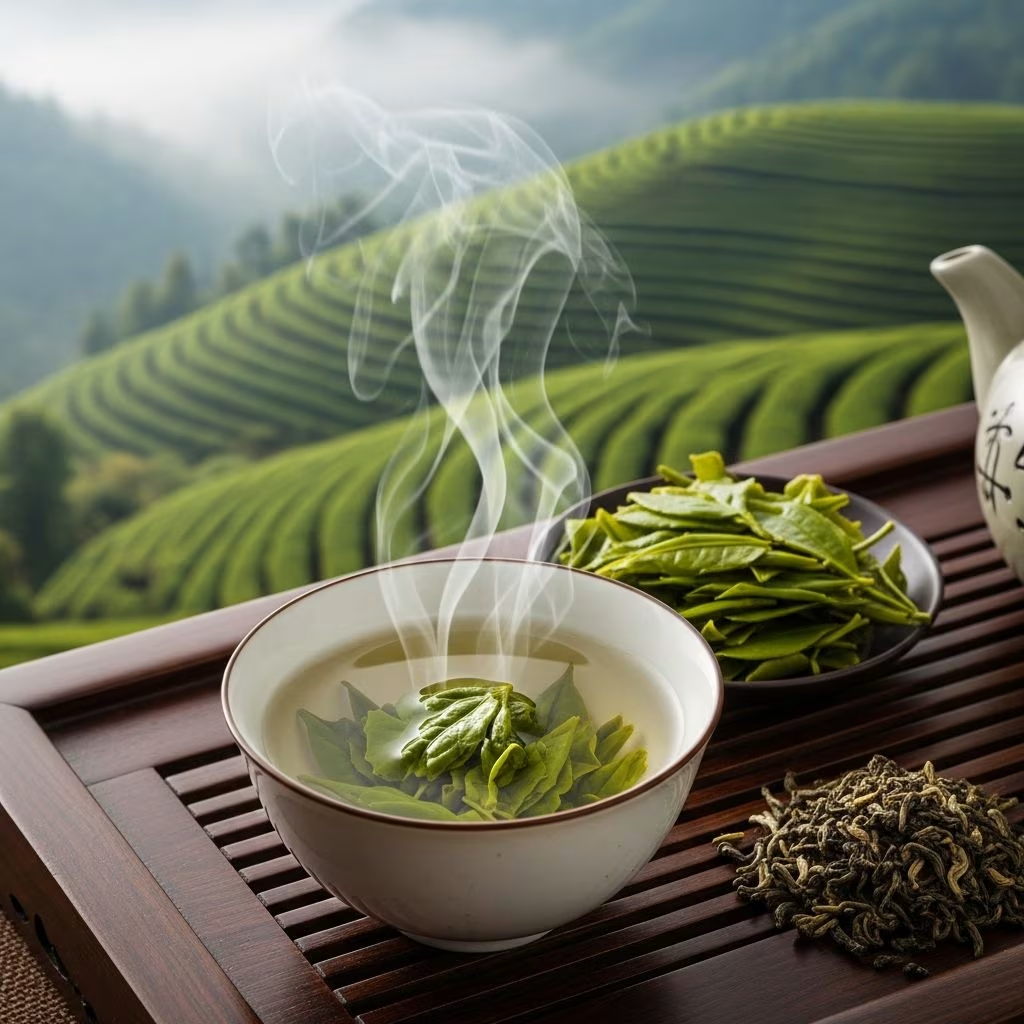
Longjing tea, revered as one of China’s most prestigious green teas, originates from the misty hills surrounding West Lake in Hangzhou, Zhejiang Province. This pan-roasted variety, often called Dragon Well tea, captivates with its flat, jade-like leaves, nutty aroma, and smooth, sweet flavor profile.
The Ancient Origins and Rise to Fame
Tea cultivation in the Hangzhou region traces back over 1,200 years, with records from the Song Dynasty highlighting the area’s exceptional green teas. Lu Yu, the revered author of The Classic of Tea, praised the local produce as early as the 8th century, setting the stage for Longjing’s enduring legacy. The modern style of Longjing emerged during the Ming Dynasty, when elite society shifted from powdered teas to whole-leaf varieties, refined through pan-roasting techniques that preserve freshness and enhance flavor.
By the Qing Dynasty, Longjing achieved imperial status. Emperor Qianlong’s legendary visit in the 18th century elevated its prestige. During one excursion, he personally plucked leaves near Longjing Village, brewed them, and later sent them to his ailing mother in Beijing. Her recovery was attributed to the tea’s restorative powers, prompting Qianlong to designate 18 specific tea bushes as imperial tribute plants and declare Longjing the nation’s top tea. This endorsement transformed it from a regional delight into a symbol of excellence, later rebranded among China’s “Famous Teas” after the 1911 revolution. Even Mao Zedong championed it, serving Longjing to U.S. President Nixon in 1972, further cementing its global renown.
Prime Growing Regions Around West Lake
Hangzhou’s unique microclimate—mild temperatures, frequent fog, and ample rainfall—creates ideal conditions for Longjing. The fog shields young buds from harsh sunlight, preserving high levels of theanine, an amino acid responsible for the tea’s mellow, umami taste. Authentic Longjing is confined to a protected zone around West Lake, spanning from Hupao Pagoda eastward to villages like Maojiabu, and westward to Longmenkan.
Longjing Village itself, dubbed the “No. 1 Village of Tea,” anchors production with nearly 800 acres of plantations and a population of just 800 dedicated farmers. Here, the highest-grade “Long” (龙) tea thrives amid towering mountains. Key sub-regions include:
- Shifeng Mountain (狮峰山): Yields the most aromatic leaves due to its high elevation and misty veil.
- Meijiawu (梅家坞): Famous for robust flavor and large-scale family-run farms.
- Wengjiashan and Yunxi: Offer balanced sweetness from terraced slopes.
- Hupao (虎跑): Produces slightly lighter, refreshing brews near historic springs.
These areas produce distinct profiles, but all share the flat, sword-shaped leaves mimicking those brewed by Qianlong for his mother. Outside West Lake, broader Zhejiang Longjing exists, though purists prioritize the original Xihu (West Lake) designation.
From Pluck to Pan: The Artisanal Craft
Longjing’s superiority stems from meticulous handcrafting. The premium Mingqian tea, harvested before the Qingming Festival (early April), uses the tenderest buds from the Longjing 43 cultivar. Pickers select “one bud, one leaf” during the 18-day prime window, when leaves are plump with nutrients.
Processing unfolds in stages over about 10 hours:
- Withering: Leaves air-dry briefly to reduce moisture.
- Pan-Firing: Master artisans roast 250g batches in 80–100°C woks for 10–15 minutes, using bare hands to flatten, twist, and “quake” leaves into their signature shape. This arrests oxidation, locks in freshness, and imparts a chestnut-like scent.
- Cooling and Sorting: Leaves rest, then hand-sort by quality.
- Packaging: Tinned under strict humidity control to maintain aroma.
Workshops process up to 1,000kg of fresh leaves daily, yielding 200–300kg of finished tea. Government platforms like Hangzhou’s City Brain oversee authenticity, tracking from field to market. Annual output exceeds 500 tons, generating over US$82 million.
| Grade | Characteristics | Price Range (per 50g) |
|---|---|---|
| Superior (Mingqian) | Jade green, high theanine, buttery taste | $100–$500+ |
| Premium (before Grain Rain) | Nutty, fresh, flat leaves | $50–$150 |
| Standard | Balanced flavor, good value | $20–$60 |
Health Benefits and Flavor Secrets
Longjing boasts antioxidants like catechins, supporting heart health and metabolism. Its low bitterness comes from shaded growth, boosting theanine for calm focus without jitters. Brew at 75–80°C for 2–3 minutes: expect a golden liquor, vegetal nose, and lingering sweetness.
Visiting Longjing Plantations: A Traveler’s Guide
Escape Hangzhou’s bustle for tea trails. Start at Longjing Village: Hike emerald terraces, watch roasting demos, and sample at family guesthouses (20–50 CNY per person). Nearby, China National Tea Museum details history via exhibits and tastings.
Meijiawu Tea Village offers cultural shows, picking experiences (50–100 CNY), and farm-to-cup lunches. Cable cars ascend Shifeng for panoramas. Spring (March–April) is peak season; buses from West Lake (Y2/Y4) or Didi rides cost 20–30 CNY. Bargain tea prices—avoid tourist traps.
Combine with West Lake cruises, Lingyin Temple, or Hupao Spring hikes. Stay in tea-themed farmhouses for immersive nights.
Seasonal Harvests and Buying Tips
- Mingqian (pre-Qingming): Rarest, priciest—seek authenticated tins.
- Grain Rain: Abundant, excellent quality.
- Later Seasons: Affordable for daily sipping.
Verify GI-protected labels. Online, trust reputable vendors; in Hangzhou, village co-ops ensure purity.
FAQs
What makes Longjing tea special?
Its hand-pan-roasted process, foggy terroir, and imperial history yield unmatched flat leaves, aroma, and taste.
Best time to visit plantations?
Early spring for harvest; avoid crowds post-Qingming.
How to brew Longjing?
80°C water, 2g per 100ml, 2–3 min steep. Multiple infusions possible.
Is Longjing only from Hangzhou?
Genuine top grades are West Lake-exclusive; others mimic from Zhejiang.
Preserving the Legacy
Digital tracking combats fakes, sustaining 800+ farmers. Sustainable practices ensure Longjing endures as Hangzhou’s “Golden Card.” Plan your tea odyssey today.
References
- My Hangzhou Stories: A brief history of Longjing Tea — YouTube. 2023. https://www.youtube.com/watch?v=USz4f-eg9CY
- Longjing tea — Wikipedia. 2024-04-15. https://en.wikipedia.org/wiki/Longjing_tea
- Longjing Tea Plantations – Hangzhou — China Discovery. 2024. https://www.chinadiscovery.com/zhejiang/hangzhou/longjing-tea-plantations.html
- A Brief History of Longjing Tea — Red Blossom Tea Company. 2023-05-10. https://redblossomtea.com/blogs/red-blossom-blog/a-brief-history-of-longjing-tea
- Journey through Hangzhou’s Longjing Tea Production — History of Ceylon Tea. 2024-01-20. https://www.historyofceylontea.com/ceylon-publications/ceylon-tea-articles/journey-through-hangzhou-s-longjing-tea-production.html
← Previous
2026 Wildlife Photographer of the Year People’s Choice Winner Revealed
Next →
Louisiana Live Music Road Trip: Best Venues, Dancehalls & Festivals
Related Reading
More in Food & Culture
Food & Culture Food & Culture
 Food & Culture
Best Places to Eat in Rome: Neighborhood Dining Guide
 Food & Culture
 Food & Culture