

 Travel Essentials
 Travel Essentials

Explore Louisiana's iconic cities, Cajun bayous, historic plantations, and lively festivals. From New Orleans jazz to swamp tours, uncover the Pelican State's unique charm and flavors.
 Travel Essentials
Louisiana captivates with its fusion of French, Spanish, African, and Native American influences, creating a landscape of rhythmic music, bold flavors, and enigmatic wetlands. This guide unlocks the state’s diverse regions, from the pulsating heart of New Orleans to the tranquil Cajun bayous and antebellum river roads.
Louisiana spans 64 parishes, bordered by the Gulf of Mexico to the south and Mississippi to the east. Its geography divides into distinct zones: the urban vibrancy of southeast Louisiana, the swampy Acadiana heartland, central plantation country, and the piney north. Each area offers unique experiences, from urban festivals to rural wildlife encounters.
New Orleans stands as Louisiana’s crown jewel, where the Mississippi River curves around the city like a crescent moon. Famous for its Creole and Cajun cuisine, live jazz, and historic architecture, it’s a sensory feast.
The French Quarter buzzes with brass bands on Bourbon Street, wrought-iron balconies dripping with flowers, and cafés serving beignets dusted with powdered sugar. Stroll Jackson Square, dominated by the stunning St. Louis Cathedral, the oldest continuously operating cathedral in the U.S.
Beyond the Quarter, faubourgs like the Garden District showcase lavish mansions shaded by live oaks. Ride the historic St. Charles Avenue streetcar for a glimpse of this opulent neighborhood. For music lovers, Preservation Hall offers intimate traditional jazz sessions, while Frenchman Street delivers modern brass and blues.
| Top New Orleans Experiences | Description | Best Time |
|---|---|---|
| Jazz Fest | World-renowned music festival with global acts | April-May |
| Mardi Gras | Parades, costumes, and king cakes | February-March |
| Swamp Tour | Airboat rides spotting gators | Year-round |
| Cuisine Crawl | Gumbo, jambalaya, po’boys | Anytime |
In southwest Louisiana, Acadiana—centered on Lafayette—preserves the heritage of Acadian exiles from Canada. This French-speaking region features prairies, marshes, and bayous teeming with wildlife.
Lafayette serves as the hub, with its Cajun music jams at faux pas dancehalls and the vibrant Downtown Alive series. Visit Vermilionville, a living history village recreating 18th-century Acadian life, complete with costumed interpreters demonstrating weaving and cooking.
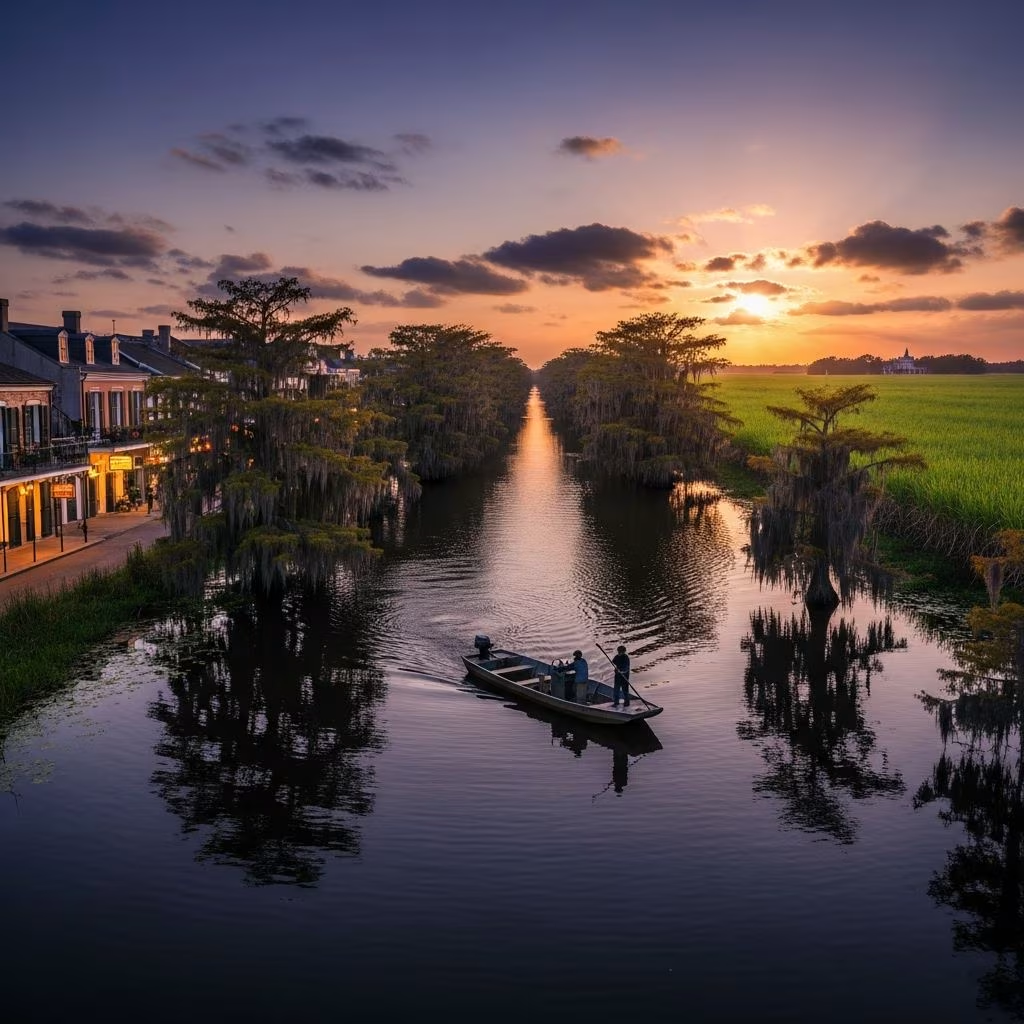
Bayou adventures shine here: glide through cypress-draped waterways on swamp tours from Houma or Atchafalaya Basin. Spot alligators basking on logs, herons wading, and nutria scurrying. For authenticity, join a pirogue (flat-bottom canoe) tour guided by locals.
Along the Mississippi from New Orleans to Baton Rouge, River Road winds past over 60 sugarcane plantations. These grand homes, restored to former glory, offer tours into Louisiana’s complex past.
Highlights include Oak Alley with its iconic 300-year-old oak tunnel and Laura Plantation, focusing on Creole family diaries and slave narratives for a nuanced view of daily life. Cross ferries for scenic views, stopping at San Francisco Plantation for its steamboat Gothic style.
Baton Rouge adds modern flair with the Louisiana State Capitol, the tallest in the U.S., offering panoramic views from its observation deck.
Contrasting the Catholic south, north Louisiana echoes the Protestant Bible Belt with cotton fields and pine forests. Shreveport hosts casinos and the Louisiana Boardwalk, while Natchitoches charms with its brick streets and Christmas festival.
Outdoor enthusiasts flock to Kisatchie National Forest for hiking and fishing, or Toledo Bend Reservoir, one of America’s largest man-made lakes.
Louisiana’s food scene blends Cajun (rustic, spicy) and Creole (refined, urban) traditions. Follow the Louisiana Culinary Trail for farm-to-table experiences.
Events like the New Orleans Wine & Food Experience pair wines with local chefs.
Louisiana hosts over 400 festivals yearly. Mardi Gras reigns supreme in New Orleans with krewes parading floats. Jazz Fest draws 500,000 for performances across 14 stages.
Zydeco Fest in Lafayette features accordion-driven dances; Contraband Days in Lake Charles celebrates pirate Jean Lafitte with a gumbo cook-off.
Beyond cities, state parks like Fontainebleau offer beachfront kayaking. The Atchafalaya Basin, America’s largest swamp, provides airboat thrills amid cypress knees and wildlife.
Fishing abounds in the Gulf and inland waters; birders spot over 400 species on the Creole Nature Trail.
Drive via I-10 for efficiency; fly into MSY (New Orleans) or BTR (Baton Rouge). State travel guidelines emphasize ground transport options.
Head to Lafayette for music fais-dos-dos, swamp tours, and Vermilionville village.
Stick to well-lit areas like the French Quarter; use rideshares at night.
February 28, with parades starting weeks prior.
Light clothing, rain gear, bug spray, comfortable shoes for walking.
Yes, most operators accommodate kids; choose shaded, narrated tours.
Rent a car for flexibility; streetcars and ferries enhance urban exploration. Stay in boutique hotels in the Quarter, B&Bs in plantation areas, or ecolodges near bayous. Book festivals early.
