

 Travel Essentials
 Travel Essentials

Love locks symbolize romance but damage monuments globally. Discover which cities ban them, why authorities oppose them, and cultural tensions.
 Travel Essentials
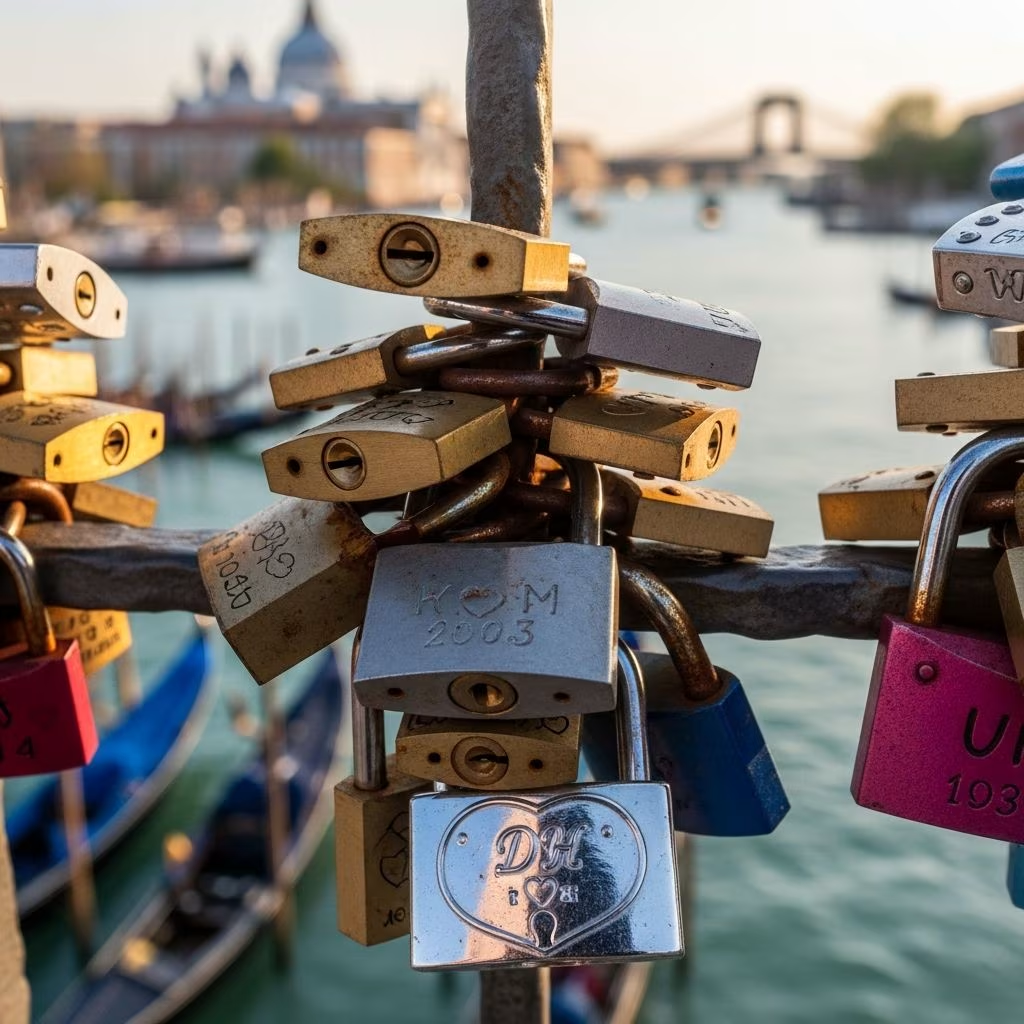
Across the globe, visitors express their devotion by attaching padlocks to public structures—a tradition that has transformed from a quaint romantic gesture into a contentious cultural and environmental issue. What began as an intimate way for couples to commemorate their relationships has evolved into a widespread phenomenon that now challenges city planners, heritage conservators, and tourism officials. The practice of affixing padlocks to bridges, monuments, and public fixtures has created a complex debate about balancing romantic expression with preservation and public safety.
The tradition of coupling padlocks with public monuments emerged in the 2000s, gaining particular momentum in European cities. Couples engrave names, dates, or personal messages onto padlocks before securing them to railings, fences, or bridge structures, often throwing the keys into nearby waterways or rivers. This symbolic act represents a commitment—the locked padlock supposedly enshrining the permanence of their relationship.
What distinguishes love locks from other romantic traditions is their physical permanence and cumulative impact. Unlike flowers or written notes, padlocks remain affixed to structures indefinitely, creating visible landscapes of collective romance. From the historic bridges of Rome to the waterfront areas of smaller cities, these metallic testaments to love have proliferated across continents.
Municipal authorities worldwide have grown alarmed by the tangible consequences of love lock accumulation. The weight of thousands of padlocks poses genuine structural risks to historic bridges and monuments designed centuries ago without consideration for such loading.
Paris experienced one of the most dramatic demonstrations of this problem. In June 2015, city officials removed 65 tonnes of locks from the Pont des Arts alone, with an additional 35 tonnes removed from the Pont de l’Archevêché near Notre Dame. Each section of guardrail on the Pont des Arts carried approximately 330 kilograms of padlocks, causing regular collapses. Most alarmingly, a panel of locks collapsed onto the pedestrian walkway, narrowly avoiding injuring tourists.
This incident catalyzed action across Europe. Heritage officials recognized that structures representing centuries of architectural achievement faced genuine jeopardy from romantic gestures. The cumulative weight—often underestimated by individual contributors—creates stress points that compromise structural integrity and threaten public safety.
Beyond immediate structural concerns, love locks generate environmental complications. The Grand Canyon National Park issued specific warnings about the practice, identifying an unexpected hazard: disposed keys consumed by endangered California condors created serious health dangers for these vulnerable species. This environmental dimension revealed how romantic tourism practices can inadvertently threaten wildlife.
Additionally, the removal and disposal of hundreds of tonnes of metal locks requires substantial municipal resources. Cities must invest in removal equipment, labor, and proper recycling infrastructure to address accumulated locks. This diverts funding from legitimate preservation and maintenance activities.
Cities worldwide have implemented varying regulatory approaches, reflecting different balances between tourism accommodation and heritage protection:
An unexpected paradox complicates policy responses: love locks generate economic opportunities. Online retailers have recognized a growing market, offering mass-produced padlocks specifically designed for romantic tourists. Some cities have capitalized on this by organizing locks-based fundraising initiatives or creating designated lock zones that enhance tourist appeal.
This commercialization represents a fundamental shift from spontaneous romantic expression to commodified tourism. Heritage sites must navigate between authentic cultural experiences and manufactured attractions, while balancing heritage protection with visitor satisfaction and local revenue generation.
Paris represents the most internationally significant regulatory response. The city removed locks from Seine bridges beginning in 2015, establishing precedent for other European cities. Officials recognized that the tradition, though only emerging around 2008-2009, had created disproportionate damage to irreplaceable monuments.
Venice implemented among the world’s strictest enforcement regimes. The 2011 controversy surrounding the Rialto Bridge demonstrated the passion surrounding these restrictions, with violent confrontations occurring during removal operations. The substantial €3,000 fine reflects Venice’s determination to protect structures from cumulative damage.
Conversely, locations including Montevideo, Toronto, and various Asian destinations have embraced locks as tourist attractions. These cities view the practice as culturally significant and economically beneficial, designating specific fountains or bridge sections for lock placement.
The tradition gained momentum through social media exposure and celebrity endorsement, particularly after prominent couples publicly participated in the practice at famous locations. Its spread reflects broader tourism trends toward personalized, Instagram-worthy experiences.
No. While major European cities including Paris, Venice, and parts of Italy prohibit the practice, many destinations permit or encourage locks. Regulations vary significantly by jurisdiction and specific location within cities.
Removed locks are typically recycled as scrap metal, with proceeds sometimes donated to charitable organizations or heritage conservation efforts. Some municipalities have organized exhibitions or artistic installations using confiscated locks.
Yes. Jurisdictions with strict prohibitions impose significant fines. Venice’s €3,000 penalty serves as the most notable example, though enforcement intensity varies by location.
Tourism experts recommend alternatives including charitable donations, environmental conservation participation, photography, or journaling—methods that commemorate relationships without damaging shared heritage resources.
Tourism industry observers suggest that Paris’s regulatory approach may establish a template for other heritage-rich cities. As awareness grows regarding structural damage and conservation concerns, additional municipalities are likely to implement restrictions on love lock placement.
Simultaneously, designated lock zones represent potential compromise solutions, allowing romantic expression within managed frameworks that minimize damage. Some cities have installed specialized lock structures or designated bridge sections where locks cause minimal harm to historic architecture.
The evolution reflects broader conversations about balancing authentic cultural expression with institutional responsibility for heritage preservation. Cities increasingly recognize that permitting romantic gestures must be weighed against obligations to maintain irreplaceable monuments for future generations.
Love locks exemplify the complexities arising when individual expressions of emotion intersect with collective stewardship responsibilities. While the practice represents genuine romantic sentiment, its physical consequences demand regulatory frameworks that protect heritage structures while respecting cultural significance.
For travelers, the love lock debate offers important perspective: meaningful ways to commemorate relationships need not compromise shared resources or endanger public safety. As global tourism continues expanding, establishing sustainable practices that honor both personal expression and cultural preservation becomes increasingly essential.
The challenge facing cities worldwide involves crafting policies that acknowledge the authentic desires of visitors while fulfilling obligations to protect monuments for future generations. Whether through designated zones, alternative commemoration methods, or principled prohibition, addressing love locks requires thoughtful balance between romantic aspiration and practical necessity.
