

 Travel Essentials
 Travel Essentials

Complete guide to Luang Prabang covering temples, waterfalls, markets, transportation, and cultural experiences for an unforgettable Laotian adventure.
 Travel Essentials
Nestled along the Mekong River in northern Laos, Luang Prabang stands as one of Southeast Asia’s most captivating destinations. This former royal capital has earned recognition as a UNESCO World Heritage site, preserving centuries of architectural, artistic, and spiritual traditions. The city’s distinctive charm emerges from its harmonious blend of French colonial influences and authentic Lao culture, creating an atmosphere that enchants visitors with its tranquility and authenticity.
The historic core of Luang Prabang occupies a peninsula formed by two converging waterways—the mighty Mekong River and the Nam Khan River. This geographic positioning provides natural boundaries that have helped preserve the city’s character and walkability. The peninsula location means most attractions remain within comfortable walking distance, making exploration accessible even for travelers with limited mobility. The compact nature of the old town has transformed it into one of Southeast Asia’s most pedestrian-friendly destinations.
The topography includes Mount Phousi, which rises 100 meters above the town center and serves as both a spiritual landmark and vantage point. Understanding the city’s layout helps travelers navigate efficiently and discover hidden corners where locals frequent rather than tourist-focused establishments.
Navigating Luang Prabang and the surrounding areas involves several transportation options, each suited to different travel styles and distances.
For reaching outlying attractions like Pak Ou Caves or the airport, tuk-tuks remain the primary option, though organized tour operators also facilitate transport with knowledgeable commentary. Some specialized routes, such as travel to Chiang Khong in Thailand, involve bus transport from nearby Chiang Rai, approximately 1.5 hours away.
Luang Prabang’s religious sites represent the pinnacle of Lao Buddhist architecture and craftsmanship. The city contains dozens of temples, each with distinct characteristics reflecting different periods and artistic traditions.
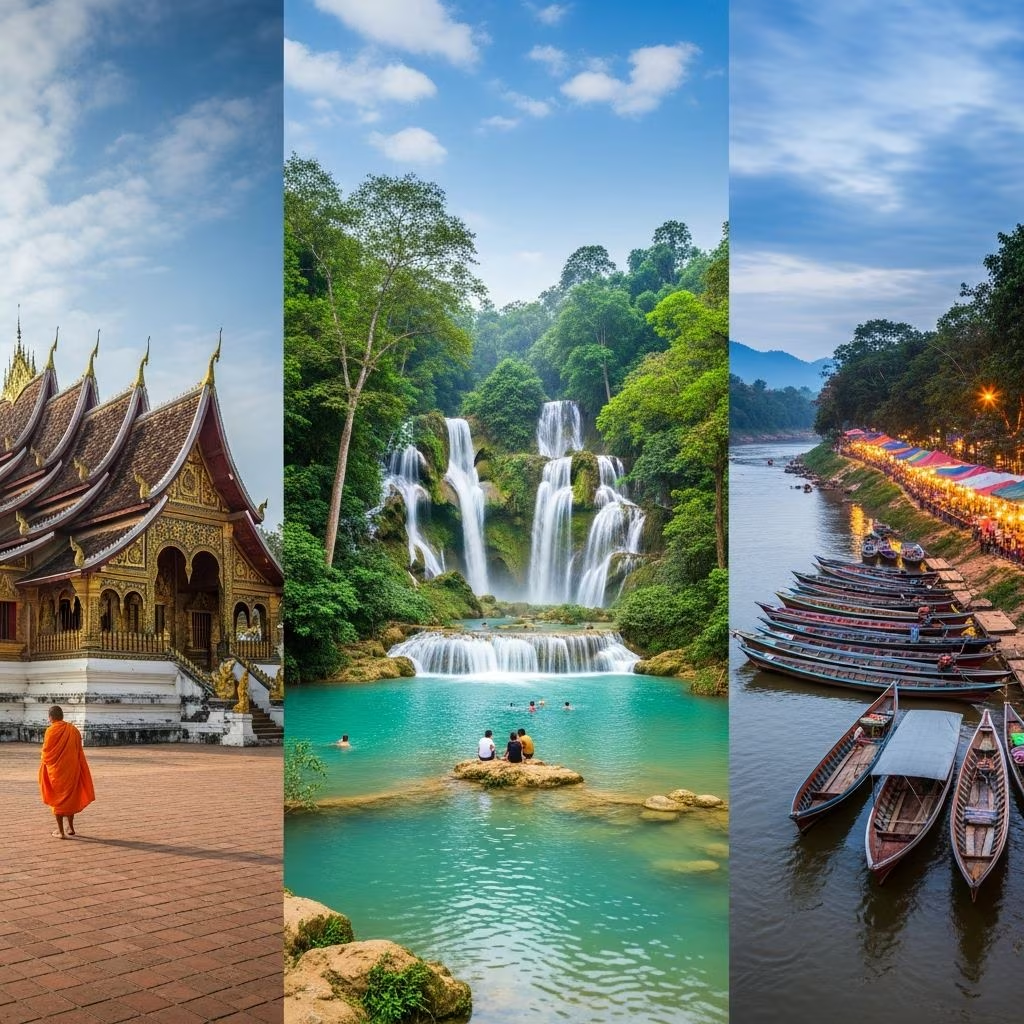
Dating to 1560, Wat Xieng Thong ranks among the most exquisite temples not only in Luang Prabang but across Laos itself. The structure showcases intricate mosaic work that covers substantial portions of the exterior, creating a glittering appearance especially striking during golden hour. The temple complex encompasses multiple buildings scattered throughout temple gardens, including a three-tiered main temple, a funerary boat pavilion, and the renowned Tree of Life golden mural. Visitors should allocate sufficient time to appreciate the architectural details and spiritual significance. The entrance fee of 20,000 kips provides access during operating hours from 8 a.m. to 6 p.m.
The Royal Palace represents the final residence built for Laos’ royal family before political transition ended the monarchy. Constructed during the French colonial period, the palace demonstrates masterful synthesis of traditional Lao design principles with French Beaux-Arts aesthetics. Within the palace, visitors encounter the Phra Bang, a golden Buddha statue of immense cultural significance that literally gave the city its name. The museum experience provides insight into royal history and cultural heritage while the architectural elements merit observation regardless of religious affiliation.
The climb to Mount Phousi’s summit represents one of Luang Prabang’s most accessible yet rewarding experiences. The trek requires approximately 50 minutes at a comfortable pace, making it achievable for visitors of varying fitness levels. The 20,000 KIP entrance fee provides exceptional value considering the panoramic reward. At the summit, a golden stupa marks the highest point, and clear views extend 360 degrees across the entire town and surrounding landscape. Sunset viewing from this vantage point draws crowds of both tourists and locals, as the declining sun bathes the Mekong River and town in magical light. However, dawn visitors or those arriving during daylight hours enjoy solitude and equally stunning vistas.
Situated beyond the city center, Kuang Si Falls represents the most celebrated natural attraction in the Luang Prabang region. The multi-tiered waterfall creates turquoise pools suitable for swimming in the warm tropical climate. The site combines natural beauty with recreational opportunities, attracting both day-trippers and those making excursions from other Southeast Asian destinations.
A full-day adventure to Pak Ou incorporates multiple experiences. Transport by tuk-tuk reaches Pak Ou village, where longboats cross the river to access the caves. The cave complex contains thousands of Buddha images in various sizes, representing centuries of devotional offerings. The adjoining whisky village provides context for local alcohol production traditions and agricultural practices in rural Laos.
Each evening from approximately 5 p.m. until 10 p.m., Luang Prabang’s Night Market materializes along Sisavangvong Road and adjacent streets. The market represents the epicenter of souvenir shopping, offering handicrafts, textiles, wooden figurines, brass items, and jewelry. Arriving early, around 5 p.m., ensures less congestion than peak hours around 7 p.m. While the food vendors offer street cuisine options, the culinary offerings don’t rival famous Southeast Asian food destinations like Bangkok or Singapore. Nevertheless, the evening market atmosphere provides an authentic slice of local commerce and tourism interaction.
The Morning Market operates seasonally (October to March) and serves as a sensory immersion in Lao food culture. Adventurous eaters encounter dishes like Khao Piak Sen, a comforting meat broth noodle soup, mung bean cakes, and sticky rice skewers alongside more challenging options such as grilled honeycomb containing bee larvae and sun-dried pork cakes. The 10,000 kip entrance fee provides affordable access. Guided tours including snacks and local expert commentary help newcomers navigate unfamiliar ingredients and preparation methods.
A distinctive bridge crossing the Nam Khan River offers convenient river access and serves multiple purposes. The structure operates exclusively during the dry season (October to March), when water levels permit. During the rainy season (April through September), a boat shuttle substitutes for the bridge. The 10,000 kip crossing fee applies to the seasonal structure. An upstream alternative bridge provides another crossing option, though the main bridge integrates most easily into standard itineraries for those accommodated across the river.
River cruises on the Mekong provide tranquil perspectives on the surrounding landscape and settlements. Sunset timing coincides with the magical lighting period when locals and visitors congregate along the riverbanks. These experiences vary from casual boat rides to organized dinner cruises with local cuisine served aboard.
The Traditional Arts and Ethnology Center offers structured learning about Lao cultural heritage and contemporary practices. The 25,000 kips entrance fee includes access to exhibits, and the center provides complimentary guided tours at 3 p.m. on Tuesdays and Thursdays. The facility helps contextualize observations made throughout the city and connects individual crafts to broader cultural narratives.
This educational facility addresses the sobering historical reality of unexploded ordnance remaining from the Vietnam War era. Free admission enables all visitors to learn about clearance efforts and the ongoing humanitarian challenges facing Laos. The center provides necessary historical context for understanding modern Laotian society and international development work.
Experiential tourism extends to rural areas where visitors participate in rice farming activities and learn about agricultural traditions sustaining the region. These hands-on experiences offer understanding of subsistence farming practices and seasonal rhythms governing rural Laotian life.
The alms-giving ceremony occurs during early morning hours when Buddhist monks process through streets collecting offerings from residents. This ritual, central to Theravada Buddhism practice, creates opportunities for respectful observation of spiritual traditions. Appropriate conduct—maintaining quiet, dressing modestly, and observing photographer etiquette—ensures meaningful participation in this sacred practice.
| Season | Months | Characteristics | Considerations |
|---|---|---|---|
| Dry Season | October – March | Optimal weather, all attractions accessible | Peak tourist season, higher prices |
| Hot Season | March – May | Very hot temperatures | Lower crowds, challenging heat |
| Rainy Season | May – September | Frequent rainfall, lush landscapes | Some activities limited, fewer tourists |
The dry season (October through March) offers ideal conditions for outdoor exploration, with comfortable temperatures and clear skies. This period coincides with peak tourist season, resulting in crowded attractions and elevated accommodation prices. The rainy season brings verdant landscapes and fewer crowds, though afternoon downpours can disrupt outdoor plans. The hot season poses physical challenges but attracts budget-conscious travelers seeking lower rates.
Luang Prabang offers accommodation ranging from guesthouses to luxury resorts, clustered primarily in the historic peninsula. The walkable nature of the old town means location proves less critical than in larger cities. Dining options span street food experiences to upscale restaurants, with the city gaining recognition as a destination for food-focused travelers.
The Laotian kip serves as the local currency. Most mentioned attractions cost between 10,000 and 30,000 kips (approximately €0.43 to €1.30), making Luang Prabang exceptionally affordable for international visitors. Budget travelers can experience multiple temples, markets, and activities while maintaining modest daily expenditures.
Luang Prabang rewards visitors willing to move slowly through its streets, engage with locals, and appreciate subtle cultural details. Whether climbing Mount Phousi at sunset, exploring temple architecture, negotiating night market treasures, or swimming in Kuang Si’s turquoise waters, the city accommodates diverse travel styles and interests. The geographic setting, cultural preservation, and spiritual significance combine to create an experience that lingers long after departure, drawing many travelers into returning visits.
