

 Travel Essentials
 Travel Essentials

Explore Lumbini, the birthplace of Lord Buddha, through its ancient temples, monasteries, and gardens. A perfect pilgrimage for spiritual seekers and history enthusiasts.
 Travel Essentials
Lumbini stands as one of the most revered pilgrimage destinations in the world, marking the exact spot where Siddhartha Gautama, known as the Buddha, entered the world around 623 BC. Nestled in Nepal’s Terai region, this UNESCO World Heritage Site draws millions of visitors annually, offering a profound blend of ancient history, spiritual tranquility, and architectural diversity from Buddhist nations worldwide.
According to ancient texts and archaeological evidence, Queen Maya Devi gave birth to Prince Siddhartha under a sal tree during the full moon of Baisakh. Legend holds that the newborn took seven steps, each blooming with a lotus, proclaiming his destiny as a teacher of peace and compassion. This event, dated to approximately 623 BC, transformed a quiet grove into a cornerstone of Buddhism.
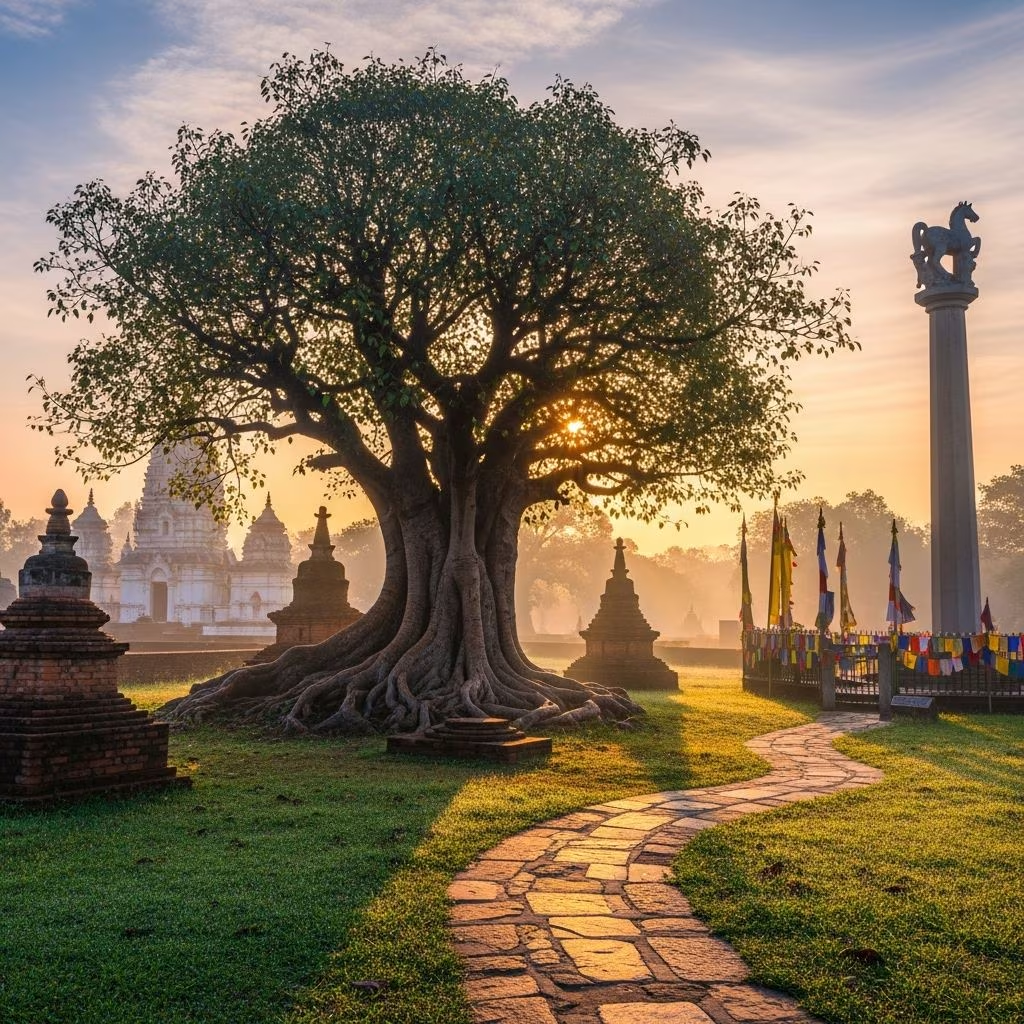
Centuries later, Emperor Ashoka visited in 249 BC, erecting a pillar to commemorate the site. His inscription confirms Lumbini’s significance, reducing taxes for the local Shakya clan and ensuring its preservation. Today, this pillar remains a focal point, symbolizing the spread of Buddhist teachings across Asia.
At the heart of Lumbini lies the Maya Devi Temple, built over the remnants of earlier structures dating back to the 6th century BC. Inside, a stone relief depicts Maya Devi grasping a sal tree branch as she births the future Buddha. Adjacent is the sacred pond where tradition says Maya Devi bathed before labor, its waters still reflecting the site’s timeless aura.
The Ashoka Pillar, standing 6 meters tall with a weathered inscription in Brahmi script, overlooks the sacred garden. This area, dotted with stupas and votive offerings, invites quiet meditation. Visitors often circumambulate the sites mindfully, emulating the Buddha’s own deliberate steps.
Lumbini’s monastic zone spans over 2.5 square kilometers, featuring over 20 monasteries built by countries like Thailand, China, Japan, and Germany. Each structure embodies its nation’s interpretation of Buddhist architecture and philosophy, creating a living museum of devotion.
The Thai Monastery boasts golden spires and intricate murals depicting the Buddha’s life. Nearby, the Vietnamese temple offers lotus ponds and chanting halls. The Nepalese Monastery, with its pagoda-style roofs, honors local Shakya heritage. Walking through these grounds fosters a sense of universal brotherhood among pilgrims.
| Monastery | Country | Key Features |
|---|---|---|
| Golden Temple | Thailand | Golden Buddha statue, serene courtyards |
| Peace Pagoda | Japan | White stupa, panoramic views |
| Drubgyura Monastery | Tibet | Thangka paintings, meditation halls |
| Zhong Hua Chinese Temple | China | Red pavilions, dragon motifs |
Reaching Lumbini is straightforward: fly into Siddhartha Airport (24 km away) or take a 7-8 hour bus from Kathmandu, covering 250 km through scenic Terai plains. The best time to visit is October to March, avoiding monsoon rains and summer heat. Entry to the core zone costs NPR 600 for foreigners, covering museums and gardens.
Opt for comfortable walking shoes, as paths span several kilometers. Dress modestly—cover shoulders and knees—and remove shoes before entering temples. Hydrate frequently, and consider hiring a guide for deeper insights into Buddhist lore. Many tours include visits to nearby Tilaurakot, ancient Kapilvastu where Buddha spent his youth.
Beyond sightseeing, Lumbini nurtures inner peace. Join dawn meditation sessions at the sacred garden, where monks chant amid fluttering prayer flags. Practice walking meditation, focusing on each step as the Buddha did barefoot across ancient paths. Retreat centers offer multi-day vipassana courses, immersing participants in silence and mindfulness.
Many pilgrims circumambulate stupas clockwise, spinning prayer wheels and offering incense. The site’s energy, amplified by global devotees, facilitates profound reflection on impermanence and compassion—themes central to Buddha’s teachings.
UNESCO’s 1997 designation mandates sustainable development, limiting high-rises and promoting eco-friendly transport like bicycles. Ongoing excavations reveal more artifacts, enriching our understanding of 6th-century BC life. Visitor contributions support conservation, ensuring future generations tread these hallowed grounds.
Challenges include urbanization and climate impacts on the Terai, but international cooperation safeguards the site. Pilgrims play a role by minimizing plastic use and respecting silence zones.
Lumbini is the birthplace of Gautama Buddha, a UNESCO site central to Buddhism’s four holiest places.
Fly to Siddhartha Airport or bus for 7-8 hours; tours are widely available.
October-March for mild weather and festivals like Buddha Jayanti.
Yes, from budget guesthouses to monastic stays and luxury resorts.
Absolutely; it’s open to all seeking peace and history.
Modest clothing; remove shoes and hats inside.
