

 Travel Essentials
 Travel Essentials

Discover how Lundy Island blends conservation and tourism with plastic-free policies, protected seas, thriving wildlife, and low-impact travel.
 Travel Essentials
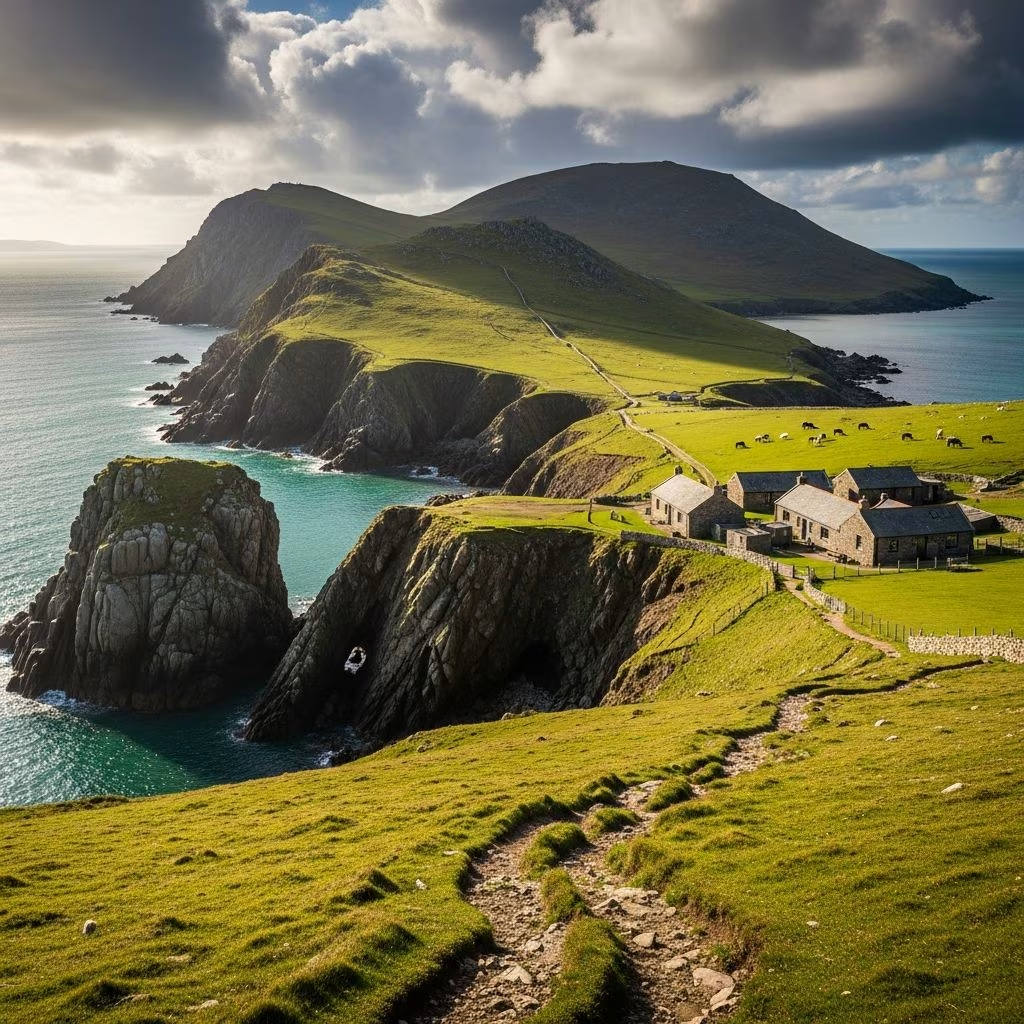
This rugged granite outcrop, floating 19 kilometers off England’s southwest coast, stands as a beacon of environmental stewardship. Lundy Island blends isolation with innovation, showcasing how small places can drive big changes in conservation and tourism. Through protected seas, thriving wildlife, and smart resource use, it offers practical insights for anyone passionate about greener journeys.
Lundy’s position in the Bristol Channel creates a microcosm of biodiversity. Stretching three miles long and half a mile wide, its sheer cliffs and rolling plateaus host species found nowhere else in such density. The frost-free climate nurtures rare plants like the Lundy cabbage, while surrounding waters teem with marine life protected by decades of forward-thinking policies.
Without roads or streetlights, the island preserves natural darkness, allowing stargazing under unpolluted skies. This road-free haven encourages foot exploration, minimizing human impact while maximizing immersion in pristine landscapes.
Lundy’s seas were among Britain’s first to receive formal safeguards. Established as the UK’s inaugural Marine Nature Reserve, the waters ban fishing, dredging, and waste disposal in designated No Take Zones. These measures have revitalized fish stocks and coral habitats, drawing snorkelers and divers for guided, low-impact tours led by wardens.
Today, Lundy serves as a Marine Conservation Zone, demonstrating how strict regulations foster ecosystem recovery. Visitor-led sustainable snorkeling safaris highlight sea anemones, seals, and colorful fish without disturbing habitats.
Named “puffin island” in Old Norse, Lundy now boasts England’s largest seabird colony in the southwest. Conservation efforts have boosted puffin numbers alongside guillemots, razorbills, and Manx shearwaters. Eradication of invasive rats in the 2000s was pivotal, allowing ground-nesting birds to thrive.
On land, projects protect endemic flora and fauna. Walking trails like the Wildlife Walk reveal orchids, ferns, and grazing sika deer. Rock climbing and birdwatching integrate adventure with education, ensuring activities support rather than harm biodiversity.
| Species | Conservation Status | Key Initiative |
|---|---|---|
| Puffins | Thriving colony | Rat eradication (2000s) |
| Lundy Cabbage | Endemic plant | Habitat monitoring |
| Seals | Regular sightings | Marine zoning |
Powering an offshore island demands creativity. Lundy’s diesel generator captures waste heat to warm buildings, reducing fuel needs. Vegetable oil from the Marisco Tavern converts to biofuel, and pigs consume kitchen scraps, closing the food waste loop.
Explorations into wind and solar continue, prioritizing self-reliance. Robust recycling diverts materials from landfills, while the tavern— the sole late-night light source—preserves dark skies for astronomy. A recent rainwater purification upgrade ended reliance on 32,000 imported plastic water bottles annually, achieving water independence.
In 2019, Surfers Against Sewage granted Lundy “Plastic Free Community” status for slashing single-use items. Visitors must pack out plastics, with on-site bans reinforcing the policy. This collective commitment cuts ocean pollution at its source.
Self-sufficiency extends to rainwater systems, eliminating bottled imports. These steps not only protect wildlife but model scalable solutions for coastal destinations worldwide.
Managed by the Landmark Trust under a 50-year lease, Lundy finances upkeep through visitors. Tourism generates funds for habitat projects without overwhelming capacity. The “unique island experience” markets biodiversity as a draw, balancing income with preservation.
Seasonal access—from spring boat trips to winter helicopters—spreads impact. Day visits or overnight stays in 23 self-catering spots, from lighthouses to castle ruins, immerse guests responsibly.
| Benefits | Challenges |
|---|---|
| Funds wildlife projects | Managing visitor numbers |
| Educates on sustainability | Seasonal access limits |
| Low-impact activities | Weather-dependent travel |
Reach Lundy via MS Oldenburg from Ilfracombe or Bideford (March-October), with helicopter alternatives in winter. Day trips suit explorers; multi-day stays reveal nocturnal wildlife.
Accommodations range from glamping at the 40-pitch campsite to historic rentals like the Old Lighthouse or Marisco Castle. The tavern offers local fare, and a store stocks essentials. Book via official channels for seamless planning.
Hike the Coast Path for panoramic views, join warden-led snorkels, or climb granite faces. Birdwatching peaks in summer; stargazing year-round. All promote mindful engagement with nature.
Lundy’s model—integrating tourism with conservation—proves viable for remote sites. Its plastic-free status, energy innovations, and species recoveries inspire destinations everywhere. Visitors depart with souvenirs of serenity and actionable eco-practices.
The Landmark Trust’s long-term lease ensures continuity, adapting to challenges like climate shifts. By prioritizing biodiversity over mass tourism, Lundy redefines island escapes.
Boats run from Ilfracombe/Bideford March-October; helicopters in winter. Book ahead.
Yes, with easy trails and wildlife spotting, but pack essentials—no shops after hours.
Puffins, seals, rare plants; best in summer.
No—explore by foot or bike for low impact.
Bans single-use items; rainwater system replaces bottles.
