


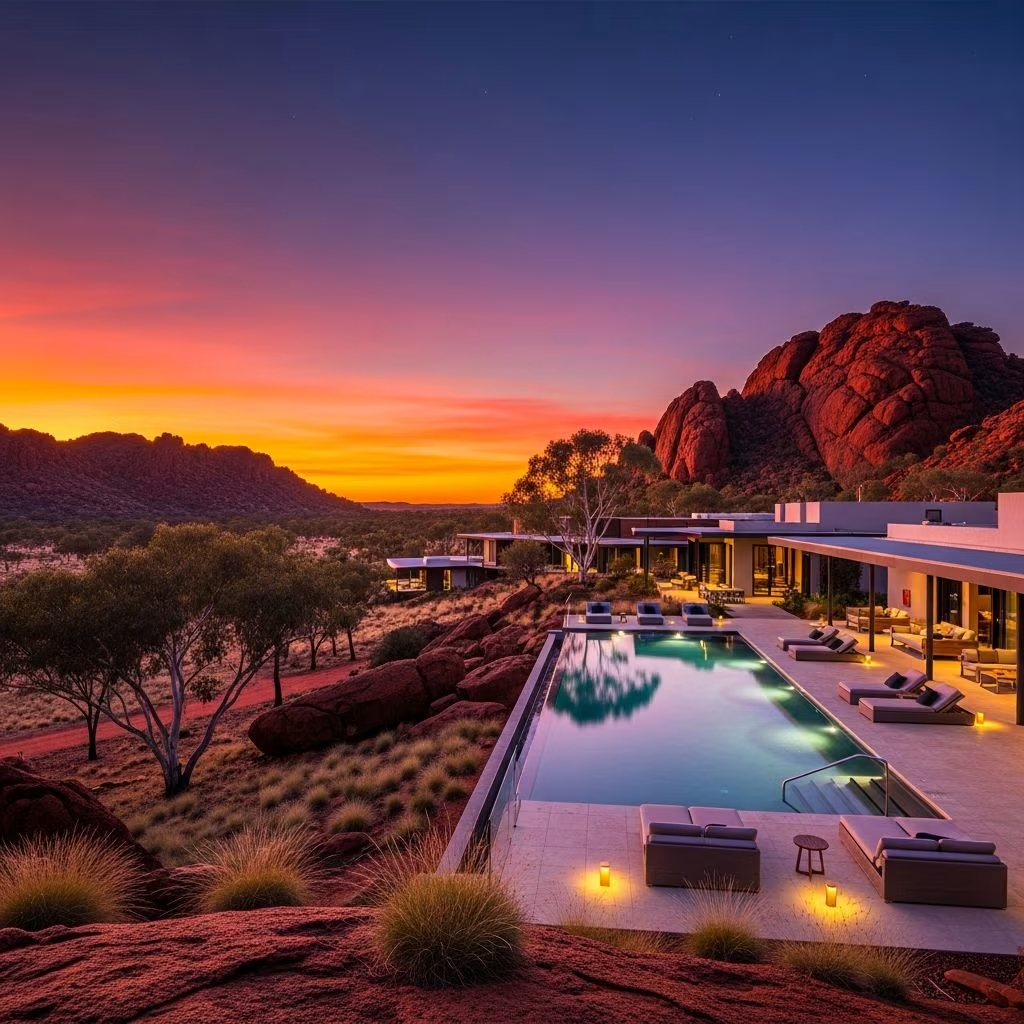
Australia’s vast interior represents one of the world’s most captivating and untouched wilderness areas, where ancient landscapes meet contemporary comfort. A luxury outback safari combines the thrill of exploring remote territories with the assurance of world-class service, gourmet cuisine, and elegant accommodations. This distinctive travel experience allows adventurous travelers to immerse themselves in Australia’s natural wonders while maintaining the highest standards of comfort and refinement.
Understanding the Outback Safari Experience
The Australian outback safari differs fundamentally from traditional safaris in other continents. Rather than tracking large predators across savannas, visitors encounter unique native wildlife including kangaroos, emus, and endemic bird species. The landscape varies dramatically across regions—from red rock formations and desert plains to tropical billabongs and ancient rainforests. Each destination offers distinct ecosystems and cultural significance tied to Indigenous Australian heritage.
A comprehensive outback safari typically spans two to three weeks, allowing sufficient time to explore multiple regions without excessive travel fatigue. The journey often begins in a major city gateway before progressing to increasingly remote locations, where specialized lodges provide authentic wilderness immersion with contemporary amenities. This progression enables travelers to gradually acclimate to the unique environments while building anticipation for increasingly exclusive experiences.
Premier Accommodation Options Across the Outback
Luxury outback lodges represent architectural and hospitality achievements, designed to harmonize with their natural surroundings while delivering exceptional comfort. These establishments range from intimate compounds accommodating fewer than twenty guests to more expansive facilities, each maintaining exclusivity through limited guest capacity.
Signature Lodge Experiences
- Desert Icon Properties: Facilities positioned near Uluru combine proximity to Australia’s most recognizable natural landmark with sophisticated infrastructure. These lodges offer private sunrise and sunset viewing of the iconic monolith, specialized guides providing geological and cultural context, and curated dining experiences featuring indigenous-inspired cuisine.
- Tropical North Facilities: Lodges near Mount Mulligan and other northern Queensland locations emphasize adventure alongside comfort. Properties feature helicopter access, private buggy transportation, and architectural designs that maximize panoramic vistas while providing climate-controlled environments essential in tropical climates.
- Kimberley Region Compounds: Positioned above rivers and within vast private wilderness areas, these homesteads accommodate small guest groups in individually appointed suites. Elevated architecture provides commanding views while facilitating natural ventilation and cooling strategies suited to the semi-arid environment.
- Flinders Ranges Conservancies: Intimate properties accommodating approximately ten guests operate across tens of thousands of private acres, enabling exclusive access to wildlife populations and heritage sites significant to local Indigenous communities.
Each lodge category prioritizes locally sourced ingredients, regional culinary traditions, and wine selections highlighting Australian viticulture. Kitchen operations often feature wood-fired cooking methods and techniques adapted to available resources in remote locations.
Activities and Guided Experiences
Outback safaris provide diverse engagement with landscape and culture through professionally guided activities designed to maximize discovery while maintaining guest safety in remote environments.
Land-Based Exploration
Guided hiking expeditions range from leisurely strolls highlighting botanical features to challenging treks traversing challenging terrain. Expert guides interpret geological formations, identify native flora and fauna, and discuss ecological relationships within specific ecosystems. In desert regions, guides explain adaptation strategies employed by plants and animals to survive in water-scarce environments. In tropical areas, guided walks focus on rainforest biodiversity and canopy ecology.
Aerial Perspectives
Helicopter and light aircraft excursions provide unique vantage points impossible to achieve from ground level. Scenic flights over the Kimberley reveal vast landscapes, isolated waterfalls, and river systems. Aerial tours near Uluru offer perspective on the monolith’s scale and surrounding geological formations. Helicopter transfers to remote lodges themselves constitute memorable experiences, eliminating arduous ground travel while providing introduction to vast distances characterizing the outback.
Cultural and Historical Engagement
Visits to ancient rock art galleries, some featuring imagery spanning tens of thousands of years, connect visitors to continuous Indigenous Australian cultural traditions. Experienced Indigenous guides provide storytelling that contextualizes artwork within spiritual frameworks and historical narratives. These experiences move beyond superficial observation to facilitate genuine cross-cultural understanding and appreciation.
Wildlife Encounters
Billabong cruises reveal waterbirds, reptile populations, and aquatic ecosystems in their natural habitats. Quiet vessel navigation enables close observation without disrupting animal behavior. Desert wildlife viewing focuses on identifying adapted species and understanding survival mechanisms in arid environments. Photography opportunities abound throughout these experiences, with guides often positioning groups for optimal wildlife observation and photographic composition.
Dining Excellence in Remote Settings
Gourmet cuisine represents a surprising highlight of luxury outback travel. Remote kitchens overcome supply challenges through creative solutions including helicopter provisioning, local game hunting, and innovative preservation techniques. Chefs working in outback locations often possess credentials matching fine dining establishments in major cities, bringing sophisticated culinary perspectives to regional ingredients.
Dining experiences frequently occur in distinctive settings—under star-filled skies on desert plateaus, beside billabongs during sunset hours, or in pavilions overlooking vast floodplains. Wine selections emphasize Australian producers, with sommeliers curating pairings suited to regional cuisines. Dietary requirements and preferences receive individual attention, with kitchens maintaining flexibility to accommodate specific needs without compromising culinary ambition.
Structuring Your Outback Safari Journey
Successful outback safaris require thoughtful sequencing of destinations, accounting for distances, climate variations, and thematic coherence across the experience.
Geographic Progression Strategy
| Region | Characteristic Landscape | Typical Duration | Primary Activities |
|---|---|---|---|
| Gateway Cities | Urban coastal areas | 1-2 days | Orientation, acclimatization |
| Red Centre | Desert plains and monoliths | 3-4 days | Uluru viewing, Kata Tjuta hiking |
| Tropical North | Rainforest and mountain regions | 2-3 days | Helicopter tours, adventure activities |
| Kimberley Region | River systems and wilderness | 3-4 days | Billabong cruises, rock art viewing |
| Remote Stations | Vast pastoral properties | 2-3 days | Working ranch experiences, wildlife observation |
Seasonal Considerations
Australia’s outback experiences distinct seasonal variations affecting accessibility, weather conditions, and wildlife behavior. The dry season (May through October) provides optimal conditions across most regions, with comfortable temperatures and minimal rainfall. The wet season (November through April) brings dramatic weather patterns, limited road access in some areas, but also lush landscapes and concentrated wildlife activity near remaining water sources. Timing decisions should balance climate preferences against crowd levels and specific activity availability.
Cultural Integration and Respectful Engagement
Authentic outback experiences incorporate meaningful engagement with Indigenous Australian cultures while maintaining respectful boundaries and supporting Indigenous communities economically. Quality safari operators employ Indigenous guides, source supplies from local businesses, and donate portions of revenue to cultural preservation initiatives.
Visitors gain opportunities to learn authentic histories from Aboriginal perspectives rather than filtered colonial narratives. This education encompasses understanding land relationships extending back tens of thousands of years, spiritual significance of specific locations, and ongoing Indigenous management of cultural sites. Photography at sacred locations occurs only where explicitly permitted, with guides explaining restrictions and their cultural rationale.
Practical Logistics and Preparation
Successfully navigating an outback safari requires advance preparation addressing physical conditioning, documentation requirements, and equipment considerations.
- Obtain appropriate travel insurance covering remote area medical evacuation and activity-related coverage
- Arrange necessary visas and ensure passport validity for the full trip duration
- Develop pre-trip fitness conditioning if hiking comprises significant activity components
- Pack weather-appropriate clothing accounting for temperature extremes and rapid variations between sun exposure and shade
- Bring high-SPF sunscreen and protective eyewear suitable for intense UV exposure at high altitudes
- Verify vaccination requirements and consult healthcare providers regarding prophylaxis for tropical regions
- Arrange any necessary medications refills before departing populated areas
Investment and Value Proposition
Luxury outback safaris represent significant financial commitments, typically ranging from fifteen thousand to fifty thousand dollars per person depending on accommodations, activity intensity, and party size. However, this investment encompasses comprehensive inclusions: premium lodging, expert-guided activities, gourmet meals, premium beverages, and often helicopter transfers. When calculated per-day across the entire experience, costs align with luxury resort stays in developed nations while delivering substantially more distinctive and transformative experiences.
Frequently Asked Questions
What fitness level is required for outback safari participation?
Most lodges accommodate varying fitness levels through activity options ranging from gentle nature walks to challenging treks. Discuss specific capabilities with operators during planning stages to ensure appropriate activity matching. Guides modify difficulty levels in real-time based on participant response and environmental conditions.
Are outback safaris suitable for families with children?
Many luxury lodges welcome families and design specific programming for younger guests. However, remote locations present considerations including limited medical facilities and significant travel distances. Families should verify specific lodge policies and ensure children possess appropriate maturity for extended wilderness immersion.
How far in advance should safari trips be booked?
Luxury outback accommodations maintain limited capacity and experience high demand during peak seasons. Booking six to twelve months in advance ensures availability and enables operators to customize experiences and arrange specialized logistics.
What technology and connectivity exists in remote lodges?
Most premium facilities maintain satellite-based internet and cellular coverage, though bandwidth limitations mean consistent connectivity is not guaranteed. Many guests appreciate the opportunity for digital disconnection, though operators can usually accommodate emergency communication needs.
Are outback safaris environmentally sustainable?
Reputable operators implement conservation practices including waste minimization, renewable energy where feasible, and participation in wildlife research and habitat restoration. Inquire about specific sustainability initiatives when selecting operators.
Planning Your Unforgettable Journey
An outback safari represents transformative travel, combining adventure, cultural immersion, and luxurious comfort in one of Earth’s most remarkable wilderness regions. Thorough planning, selection of reputable operators, and realistic expectation-setting enable creation of experiences rivaling any destination globally. The convergence of extraordinary landscapes, indigenous cultural depth, unique wildlife, and uncompromising hospitality positions Australia’s outback as an increasingly prominent destination for sophisticated travelers seeking authenticity alongside elegance.
References
- A Luxury Outback Safari — AFAR Magazine. Accessed April 2026. https://www.afar.com/journeys/a-luxury-outback-safari
- Australia’s Best Outback Stations and Safaris — Australia.com. Accessed April 2026. https://www.australia.com/en-us/things-to-do/adventure-and-sports/best-outback-station-and-safaris-australia.html
- Top 6 Outback Lodges to Discover Australian Luxury — The Tailor. Accessed April 2026. https://thetailor.com/travel-stories/top-outback-lodges/
- Outback Luxury Travel And Tours — Southern Crossings. Accessed April 2026. https://southern-crossings.com/nature-wildlife/outback/
- The Ultimate Luxury Outback Escape in Australia’s Top End — Luxury Lodges of Australia. Accessed April 2026. https://luxurylodgesofaustralia.com.au/news-offers-events/the-ultimate-luxury-outback-escape-in-australias-top-end/
- Luxury Experiences in Australia’s Outback — Out of Office. Accessed April 2026. https://www.outofoffice.com/en-gb/blog/luxury-experiences-in-australias-outback/

