

 Travel Essentials
 Travel Essentials

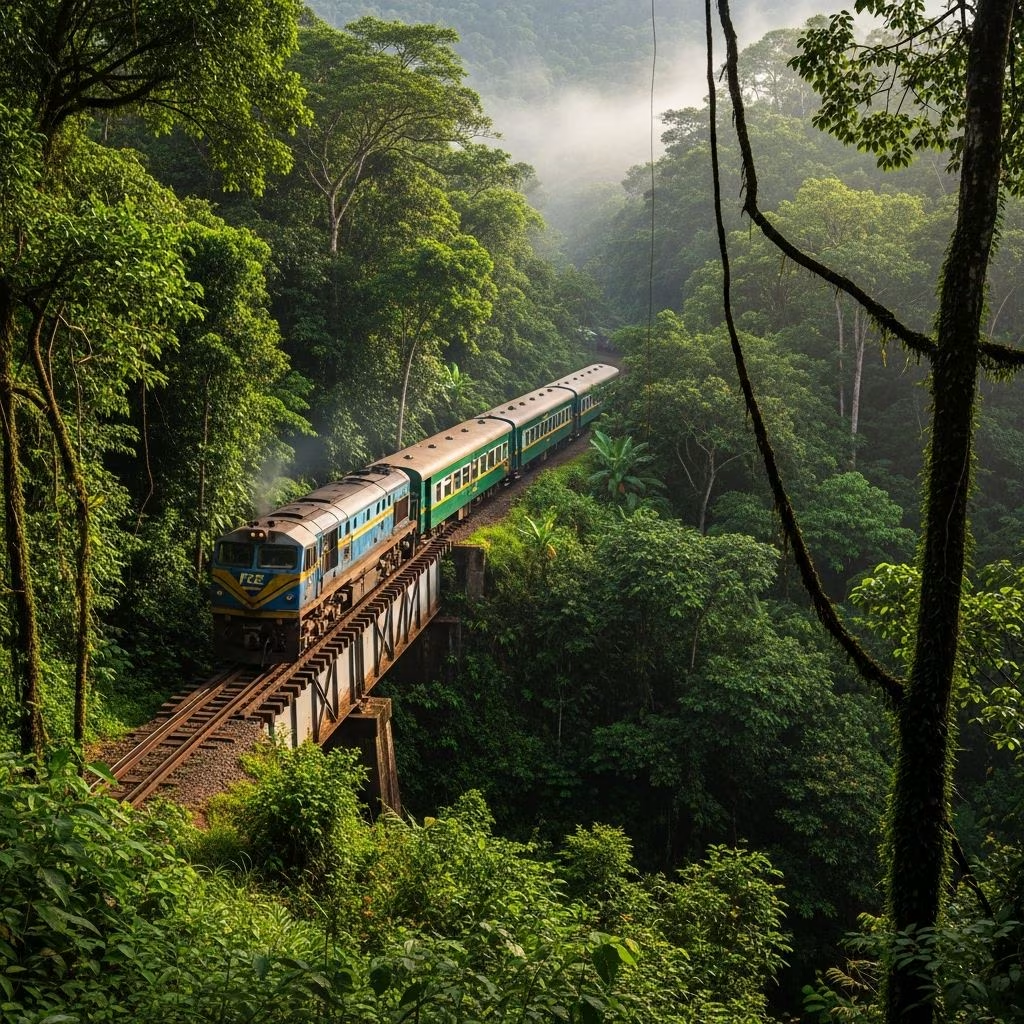
Embark on a 12-24 hour rail odyssey from highlands to coast on Madagascar's only passenger train, crossing roadless terrains amid breakdowns and breathtaking scenery.
 Travel Essentials
Imagine chugging through mist-shrouded mountains and emerald rice paddies at a leisurely pace, where the destination takes a backseat to the unfolding panorama outside your window. That’s the essence of traveling on Madagascar’s Fianarantsoa-Côte Est (FCE) railway, the island’s sole operating passenger line. Spanning 163 kilometers from the highland town of Fianarantsoa to the coastal hub of Manakara, this vintage train turns a simple trip into a multi-day saga filled with drama, beauty, and cultural immersion.
The FCE railway traces its roots to the early 20th century, constructed by French colonial authorities using rails repurposed from post-World War I German reparations. Designed to link the fertile highlands with the bustling port of Manakara, it facilitated the transport of goods like coffee, vanilla, and rice—staples of Madagascar’s export economy. Today, over a century later, it remains a vital artery for remote communities, ferrying passengers, livestock, and cargo through terrains where roads fear to tread.
Despite its historical significance, the line has endured neglect amid Madagascar’s turbulent political history since independence in 1960. Political upheavals and economic woes have starved it of maintenance funds, leading to chronic issues like derailments and locomotive shortages. Currently, just one engine hauls both passenger and freight services, resulting in severe overcrowding and erratic schedules.
Average speeds hover around 20 km/h, but real travel times stretch from 12 to over 24 hours due to breakdowns, heavy loading, and steep gradients dropping from 1,100 meters elevation. Yet, this sluggishness is the magic. Open windows invite breezes scented with wildflowers and damp earth, while the train’s rhythmic clatter harmonizes with birdsong from surrounding forests.
Travelers often describe it as rail therapy—a chance to disconnect and absorb Madagascar’s biodiversity hotspot, home to unique lemurs and baobabs.
The journey descends dramatically, transitioning from cool highlands to humid tropics. Key stretches include:
| Section | Distance | Highlights | Best Time |
|---|---|---|---|
| Fianarantsoa to Sahambavy | ~20km | Tea plantations, less scenic | Skip or early morning |
| Sahambavy to Fenomby | ~50km | Prime views: Misty valleys, waterfalls, lush forests | Daylight (southbound) |
| Fenomby to Manakara | ~90km | River gorges, coastal approach, banana groves | Late afternoon |
The Sahambavy-Fenomby leg stands out for its vertiginous drops and panoramic vistas, ideally experienced in daylight heading downhill from Fianarantsoa.
Choose between two classes for varying comfort levels:
Expect rustic facilities: toilets exist but often overflow, prompting outdoor relief. Bring snacks, water, and wet wipes; food vendors board sporadically. Overcrowding means standing or perching on luggage during peaks.
Schedule: Passenger trains depart Fianarantsoa Tuesdays and Saturdays at 7am (theoretical); return from Manakara Wednesdays and Sundays. Freight-only runs midweek. Arrive early—delays are legendary.
Tickets: Buy at Fianarantsoa or Manakara stations day-of; first-come-first-served. No online booking.
Getting There:
Pro Tips:
No journey is without hurdles. Frequent halts for mechanical woes or track repairs test patience—trips can spill into nights under starry skies. Derailments, though rarer now, add edge-of-seat excitement. Yet, these quirks forge bonds with fellow passengers, sharing stories in Malagasy, French, or broken English.
“The slow pace lets you truly see Madagascar’s soul—raw, resilient, and ridiculously beautiful.” – Traveler testimonial
For adventure seekers, the unpredictability amplifies the reward. Witness zebu herders boarding with livestock, children waving from bridges, and rainforests alive with endemic species.
Veteran riders recount 17-hour hauls arriving at midnight, or 14-hour slogs amid tropical downpours. One blogger endured a three-day wait in Fianar, only to rock at 15 mph over bumpy joints, feeling every jolt. Another cherished station spectacles: mountains of baskets, chattering markets, economic hub in motion.
While modernization whispers persist, locals and tourists champion its preservation. NGOs advocate repairs, but funding lags. Climate events like cyclones exacerbate damage, underscoring its fragility. Riding now captures a vanishing era of slow travel.
This isn’t luxury rail—it’s raw adventure. Perfect for backpackers, photographers, and culture enthusiasts tolerant of discomfort. Families or time-crunched visitors may prefer bush taxis (8-12 hours, AR50,000).
12-24 hours typically, but delays can extend it. Plan for overnight.
Generally yes, despite bumps and rare derailments. No major incidents recently.
Water, snacks, rain poncho, headlamp, power bank, motion sickness meds.
Fianarantsoa to Manakara for downhill scenery in daylight.
AR16,000-40,000; buy on-site, no reservations.
Embarking on the FCE redefines travel in Madagascar, blending challenge with profound reward. It’s not just a ride—it’s a passage into the island’s heart.
