

 Travel Essentials
 Travel Essentials

Comprehensive guide covering everything you need to know before visiting Madrid, from timing and weather to local customs and practical travel tips.
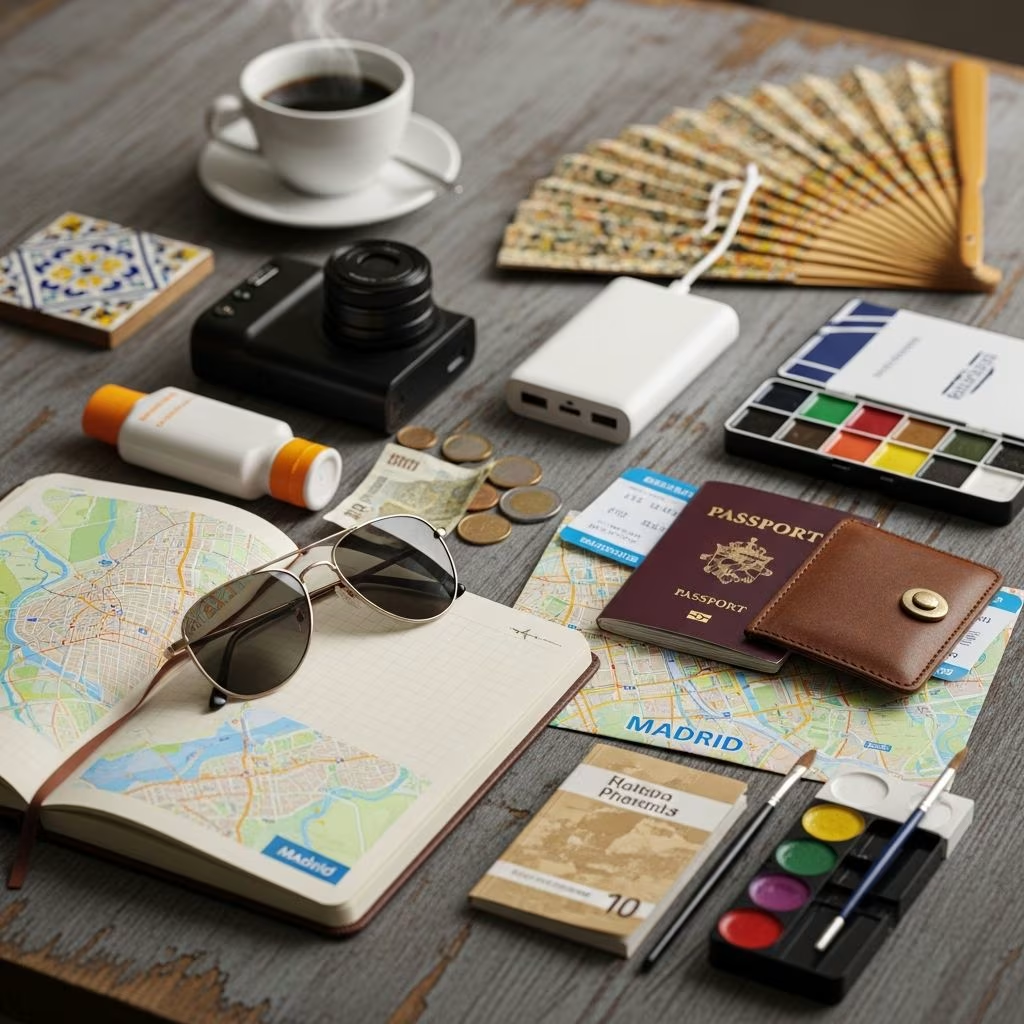 Travel Essentials
Madrid stands as one of Europe’s most welcoming capitals, seamlessly blending cultural richness with authentic local charm. Before embarking on your journey to Spain’s vibrant heart, understanding the nuances of the city will significantly enhance your experience. This comprehensive guide addresses the fundamental considerations that transform a good visit into an unforgettable one.
Planning the right amount of time in Madrid requires understanding the city’s rhythm and attractions. Most travelers find that a minimum of two to three days allows for meaningful exploration of major landmarks, museum experiences, and neighborhood discovery. However, the ideal duration depends on your interests and travel style.
The Madrileño lifestyle emphasizes leisurely engagement with the city rather than rapid-fire sightseeing. Allow sufficient time to move at a relaxed pace, experiencing the city as locals do rather than rushing through attractions. This means spending time in cafes, lingering in plazas, and getting to know different neighborhoods beyond the obvious tourist circuits.
Madrid’s weather patterns vary significantly throughout the year, requiring thoughtful preparation regardless of your travel season. Outside the summer months, conditions shift unpredictably, demanding adaptable clothing choices rather than a single wardrobe strategy.
Spring and autumn present the most challenging packing scenarios. You may experience warm afternoons that transform into chilly evenings, necessitating layering options. A typical outfit might begin with light clothing in midday sun but require a jacket or sweater once temperatures drop after sunset. Winter visitors should note that local fashion norms discourage sleeveless shirts, even as an occasional style choice.
Summer heat in Madrid can be intense, though locals maintain specific dress codes. Men should be aware that going shirtless in urban areas, even during peak heat, is considered inappropriate and will draw attention. This cultural norm reflects the city’s formality in public spaces despite its overall friendly atmosphere.
| Season | Temperature Range | Packing Essentials |
|---|---|---|
| Spring | 50-68°F (10-20°C) | Layers, light jacket, closed-toe shoes |
| Summer | 68-86°F (20-30°C) | Light clothing, sunscreen, hat, comfortable shirts |
| Fall | 50-68°F (10-20°C) | Layers, sweater, weather-resistant jacket |
| Winter | 32-50°F (0-10°C) | Warm coat, layers, closed-toe shoes, scarf |
Madrid embraces a vibrant, vocal urban culture that contrasts sharply with quieter European capitals. Social interaction happens loudly—conversations in bars carry across spaces, public transportation echoes with various sounds, and weekend nightlife extends into early morning hours. This energetic atmosphere defines Madrid’s character but requires conscious acoustic management from visitors.
Pack earplugs as a travel essential, treating them with the same importance as your passport or phone charger. This simple addition dramatically improves sleep quality, particularly during your first few nights while adjusting to the city’s rhythm.
Beyond personal items, accommodation selection matters significantly. Request hotel rooms positioned away from busy streets during booking, and scrutinize guest reviews for mentions of noise levels or proximity to bars and clubs. This proactive approach prevents discovering acoustic challenges after checking in.
Arriving in Madrid requires understanding your transport options from Adolfo Suárez Madrid-Barajas Airport to your accommodation. Multiple transit methods exist, each serving different travel priorities and budgets. Research these options before arrival to streamline your transition from airport to city.
Public transportation options typically include metro connections, bus services, and taxi facilities. Each presents distinct advantages regarding cost, convenience, and travel time. Pre-booking or understanding payment methods eliminates confusion during your arrival process.
While Madrid boasts an efficient public transportation system with affordable metro fares and reliable coverage, walking represents the optimal way to experience the city’s true character. The central districts remain entirely walkable, with most attractions accessible on foot. This pedestrian approach offers multiple advantages beyond mere convenience.
Walking allows spontaneous discoveries—hidden plazas, neighborhood restaurants, local shops, and impromptu street performances that organized tours might miss. You’ll encounter Madrileños in their natural habitat, shopping, socializing, and living their daily lives. These organic interactions reveal the city’s authentic personality far better than guided commentary.
Navigation assistance comes readily available from locals, though a caveat exists: Spaniards eager to demonstrate local knowledge sometimes confidently provide incorrect directions when uncertain. If you detect hesitation or uncertainty in someone’s guidance, verify the information through alternative means before fully committing to the suggested route.
Madrid’s culinary traditions operate on rhythms foreign to many international visitors. Meal times don’t align with typical Northern European or North American schedules, reflecting centuries-old cultural practices around work, rest, and social engagement.
Restaurants typically close between lunch and dinner service, with dinner service beginning around 8 PM or later. Arriving before 7:30 PM often results in locked doors and closed kitchens. This timing reflects the traditional Spanish schedule rather than lack of interest in serving diners.
Tipping practices differ from Anglo-American norms. While service staff appreciate recognition for excellent service, tipping remains discretionary rather than obligatory. Unlike countries where 15-20% represents standard practice, Madrid visitors typically leave small change or round up the bill for satisfactory service.
Avoid dining in Plaza Mayor, despite its prominence as a tourist attraction. This iconic plaza features inflated prices, mediocre food quality, and service prioritized toward tourist volume rather than culinary excellence. Authentic dining experiences flourish in residential neighborhoods and lesser-known plazas where locals actually eat.
The Spanish siesta tradition remains woven into Madrid’s cultural fabric, though practiced less rigidly than decades past. Many businesses close during early afternoon hours (typically 2-5 PM), and locals who maintain traditional schedules take this opportunity for rest, lunch, and personal time.
Rather than fighting this cultural rhythm, embrace it as an opportunity for rest, museum exploration during quiet hours, or park visits. This traditional break actually aligns naturally with many travelers’ needs, providing midday recovery before evening activities.
Madrid’s famous slow service represents a cultural approach to hospitality rather than negligence or disinterest. Servers deliberately allow dining time to unfold leisurely, viewing rushing customers through meals as disrespectful. This philosophy reflects the Madrileño perspective of life as something to be savored rather than hurried through.
When waiting to order, recognize that staff deliberately create space for customers to socialize, relax, and enjoy their companions before taking orders. This differs markedly from rapid-service establishments elsewhere. Embracing this pace enhances your overall experience, transforming potential frustration into relaxation.
Madrid’s authentic character emerges not from tourist-designated landmarks but from its varied neighborhoods, each with distinct personality and local culture. Venture beyond the historic center to experience genuine Madrid, discovering family-run restaurants, independent shops, and the actual lives of Madrileños.
Salamanca offers upscale shopping and dining experiences. Malasaña presents hipster vibes, eclectic boutiques, and active nightlife culture. Chamberí combines residential calm with excellent local restaurants. Legazpi showcases emerging creative spaces. La Latina features steep streets, authentic dining, and excellent people-watching opportunities.
These neighborhoods reveal how different communities within Madrid function, interact, and create their own micro-cultures while contributing to the city’s overall identity.
Spanish culture reserves special affection for children and animals, particularly dogs and babies. Traveling with kids or pets positions you for exceptionally warm local interactions. Expect friendly strangers to comment on cute children or adorable pets, initiating conversations and offering advice.
This cultural warmth extends bidirectionally—locals welcome genuine interest in other people’s children and pets. Engaging authentically in these exchanges, rather than viewing them as intrusive, enriches your social experience and creates memorable moments of genuine human connection.
Dressing like a local enhances your experience while facilitating smoother interactions. Spanish fashion philosophy emphasizes put-together presentation despite apparent casualness. Even athletic wear appears coordinated and intentional rather than purely functional.
Spaniards notice and often humorously comment on cultural fashion differences, particularly Americans’ widespread casual wear. This represents gentle cultural ribbing rather than malicious judgment, but awareness helps you blend in and avoid becoming an obvious tourist.
While modern hotels and restaurants typically feature air conditioning, not all establishments offer this amenity, particularly older buildings, small local restaurants, and family-run shops. Madrid’s summer heat can be intense, so clarify air conditioning availability when booking accommodations or planning visits during peak summer months.
A minimum of two to three days allows meaningful exploration of major attractions and neighborhoods. Longer stays enable deeper engagement with the city’s rhythm and local culture.
Spring and fall offer pleasant temperatures and fewer extreme weather shifts. Summer provides sunshine but intense heat, while winter brings cooler temperatures. Each season offers distinct advantages depending on your preferences.
Madrid remains generally safe for visitors. Standard urban precautions apply—avoid wearing headphones in crowded areas, remain alert to surroundings, and stay vigilant in high-crowd zones where pickpocketing risks increase.
Walking offers superior experiences for central district exploration, enabling spontaneous discoveries and neighborhood engagement. Public transportation works well for longer distances or when time-pressed.
Embrace slower service pace, accept later meal times, appreciate outdoor socializing, and recognize that Madrileños prioritize quality time over efficiency. Understanding these values enhances your entire experience.
Madrid’s location enables excellent day trip possibilities for travelers seeking experiences beyond the capital. Toledo, Segovia, Ávila, and Alcalá de Henares offer historical depth, architectural beauty, and authentic cuisine. These destinations provide cultural variety without requiring overnight travels, allowing return to your Madrid base.
