

 Travel Essentials
 Travel Essentials

Compare Madrid and Barcelona across attractions, culture, atmosphere, and logistics to plan your perfect Spanish getaway.
 Travel Essentials
When planning a trip to Spain, travelers frequently face a pivotal decision: should they spend their time in Madrid, the nation’s capital, or Barcelona, Spain’s most visited tourist destination? Both cities offer distinct experiences that cater to different travel preferences and schedules. Understanding the nuances of each destination helps visitors make an informed choice based on their interests, available time, and travel style.
The most striking physical difference between these two cities lies in their relationship with nature. Barcelona enjoys a privileged position along the Mediterranean coastline, offering beach access that fundamentally shapes the city’s character and daily life. The Mediterranean breeze, golden sandy shores, and seafront promenades create a relaxed, leisure-oriented atmosphere that permeates the entire city. Residents and visitors alike gather at beaches like Barceloneta to swim, paddleboard, cycle, or simply enjoy seaside dining with city views.
Madrid, by contrast, sits in the heart of Spain’s interior plateau, devoid of coastal advantages. This inland location contributes to a different urban rhythm and energy. Without beaches to anchor outdoor recreation, Madrid’s residents cultivate their social life around historic plazas, parks, and indoor cultural institutions. The absence of maritime influence creates a more introspective, architecturally-focused atmosphere where museums, galleries, and historic squares become the primary gathering spaces.
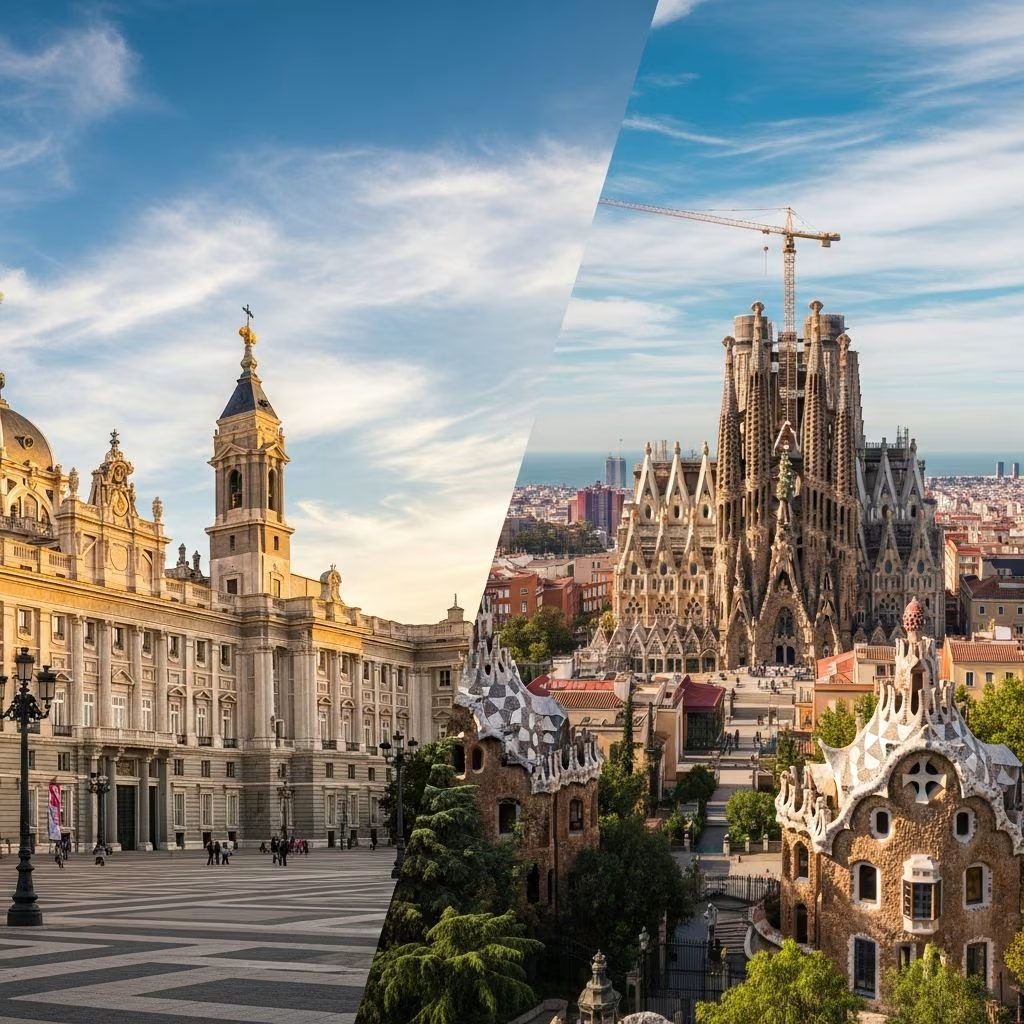
The two cities present dramatically different aesthetic experiences. Barcelona’s architectural narrative is dominated by the whimsical, avant-garde creations of Antoni Gaudí and other Modernist designers. The Sagrada Familia, Park Güell, and the buildings of Eixample district showcase organic forms, vibrant mosaics, and fantastical designs that prioritize artistic expression and innovation. This creative architectural heritage attracts visitors seeking visual drama and unconventional beauty.
Madrid’s architectural identity emphasizes classical elegance and stately grandeur. Broad tree-lined boulevards, majestic facades, and formal plazas reflect the city’s role as a political and cultural capital. The Royal Palace of Madrid exemplifies this refined aesthetic, showcasing European imperial architecture at its most imposing. Historic squares provide dignified settings for coffee and contemplation, while museum facades represent architectural sophistication rather than artistic experimentation.
Barcelona projects a vibrant, creative, and youthful energy that appeals to younger travelers seeking dynamic nightlife, trendy restaurants, and contemporary culture. The city’s Catalan identity adds historical depth and cultural specificity, attracting visitors interested in regional traditions and distinctive local customs. This popularity, however, translates into significant tourist crowds and a commercial atmosphere that some travelers find overwhelming.
Madrid maintains a more authentic, less tourist-dependent character. As a working capital where government functions and professional life take precedence, Madrid caters equally to residents and visitors. The city feels less overtly commercialized and preserves a more genuine local flavor. This authenticity appeals to travelers seeking genuine cultural experiences rather than curated tourist attractions. Neighborhoods beyond the central tourist zone reveal everyday Spanish life, local markets, and neighborhood bars where Spanish speakers predominate.
| Aspect | Barcelona | Madrid |
|---|---|---|
| Architectural Icons | Sagrada Familia, Park Güell, Casa Batlló | Royal Palace of Madrid, Plaza Mayor |
| Natural Recreation | Barceloneta Beach, Mediterranean coast | Retiro Park, Casa de Campo |
| Museum Collections | Picasso Museum, Contemporary art focus | Museo del Prado, Royal Academy of Fine Arts |
| Historical Experience | Gothic Quarter, Catalan heritage | Historic plazas, royal history |
Barcelona’s attractions center on visual spectacle and artistic innovation. The Sagrada Familia remains the most iconic structure, drawing millions of visitors annually. Park Güell offers whimsical garden installations and panoramic city views. The Gothic Quarter preserves medieval architecture and narrow winding streets that transport visitors to earlier centuries. These sites represent accessible, visually stunning attractions that photograph well and satisfy typical tourist expectations.
Madrid’s attractions emphasize cultural depth and historical significance. The Royal Palace stands as one of Europe’s largest functioning royal residences, representing centuries of Spanish monarchy and political power. The Prado Museum houses masterpieces by Velázquez, Goya, and other Spanish masters, appealing to art history enthusiasts. Retiro Park provides green space for relaxation and offers rowing opportunities on its central lake. While these sites carry less visual drama than Barcelona’s landmarks, they offer richer historical narratives and intellectual engagement.
Barcelona moves with creative intensity and tourist energy. Walking through the city reveals constant activity, buzzing restaurants, vibrant street art, and throngs of international visitors. This energetic pace suits travelers seeking stimulation and excitement, yet can overwhelm those preferring quieter experiences. Once you venture beyond main tourist thoroughfares into residential neighborhoods, a more authentic Barcelona emerges, though significant commercial activity persists even in these areas.
Madrid operates at a more measured, sophisticated pace. The city maintains a continental rhythm where life unfolds in plazas during morning coffee hours and evening paseos. Museums offer quiet spaces for contemplation, while neighborhood bars attract locals rather than tourist crowds. The city’s sophistication manifests through refined dining, intellectual conversations, and cultural engagement rather than party-focused energy. This atmosphere appeals to travelers seeking substantive cultural experiences and genuine human connection with Spanish culture.
The amount of time available significantly influences which city best suits your itinerary. Barcelona deserves a minimum of three nights to experience its major sites without excessive rushing, though two nights represents an absolute minimum for time-constrained travelers. With proper planning, three to four days allows comfortable exploration of Gaudí’s masterpieces, Gothic Quarter wandering, beach time, and neighborhood discovery.
Madrid can technically be experienced in two days, though this pace feels rushed and prevents deeper exploration. A full day of museum visiting and historical site touring covers major attractions for organized travelers. An additional evening allows for authentic Madrid experiences: tapas hopping, neighborhood walking, and observing local life. For travelers with flexibility, three nights in Madrid permits leisurely museum visits without constant time pressure.
The cities’ locations create different opportunities for regional exploration. A 2.5 to 3-hour high-speed train connects the two capitals, making both cities viable within a longer Spanish itinerary. This connection typically determines which city serves as a base for regional exploration.
Madrid’s position in central Spain facilitates access to southern destinations. High-speed trains reach Seville in approximately 2.5 hours and Granada in roughly 3 hours. Travelers planning to explore Andalusia should prioritize Madrid as their main base, spending one or two nights there before extending to southern attractions. This geographic advantage makes Madrid strategically superior for multi-destination Spanish itineraries.
Barcelona provides superior access to northeastern Spain, including the Montserrat monastery, Catalan wine regions, and coastal towns. However, reaching southern Spanish destinations from Barcelona requires either extensive travel or internal flights, making it less convenient for comprehensive Spanish tours combining coastal and southern regions.
Barcelona’s status as Spain’s most popular tourist destination creates visible tourist infrastructure and crowds, particularly at major sites like Sagrada Familia and Park Güell. Long queues, inflated restaurant prices in tourist zones, and commercialization characterize peak season experiences. The city functions as a primary cruise ship destination, meaning specific days bring overwhelming numbers of day-trippers.
Madrid welcomes far fewer international tourists, with tourism representing a smaller portion of the city’s economy and character. This difference means shorter museum lines, more accessible reservations, and neighborhoods where tourism hasn’t transformed local commerce and culture. Restaurants and shops cater primarily to residents, maintaining authentic pricing and authentic offerings rather than tourist-oriented variants.
Both cities offer exceptional Spanish cuisine, though with different emphases. Barcelona’s diverse restaurant scene reflects international influences alongside Catalan specialties. Seafood features prominently given coastal proximity, and modernist cuisine represents cutting-edge Spanish gastronomy. Beach chiringuitos (casual restaurants) provide casual dining experiences with Mediterranean views.
Madrid’s food culture emphasizes traditional Spanish cuisine and regional specialties prepared with serious culinary attention. Tapas culture flourishes in neighborhood bars where locals gather for evening aperitivos. Traditional dishes like cocido madrileño showcase hearty, time-honored recipes. Fine dining establishments in Madrid represent sophisticated interpretations of Spanish culinary traditions.
Barcelona’s nightlife caters to younger travelers seeking dance clubs, beachfront bars, and late-night socializing. The city pulses with energy as evening progresses, with younger crowds dominating venues. Cultural events, concerts, and performance spaces supplement traditional club experiences.
Madrid’s evening culture emphasizes sophisticated dining, conversation, and cultural engagement. Flamenco performances showcase traditional Spanish artistry and passion. Wine bars and cocktail lounges attract mature audiences for refined evening experiences. The pace typically winds down earlier than Barcelona, with locals observing traditional Spanish rhythms rather than late-night club culture.
With adequate time, visiting both cities creates a comprehensive Spanish experience combining Mediterranean coastal culture with inland capital sophistication. A practical itinerary allocates three nights to Barcelona and two nights to Madrid, with the high-speed train providing convenient connection. This allocation allows comfortable exploration of each city’s major sites while maintaining reasonable daily schedules. Alternatively, spending one night in Madrid between Barcelona and southern Spain addresses logistics while maintaining travel flow.
Barcelona’s beach attracts larger crowds during summer months, when Mediterranean waters warm and tourist arrivals peak. Spring and autumn offer excellent weather with fewer crowds. Winter remains pleasant, though fewer visitors access beaches.
Madrid’s climate patterns create less seasonal variation in appeal. Summer heat can feel intense, making spring and autumn more comfortable for extensive sightseeing. Winter offers mild temperatures and fewer tourists, though shorter daylight hours limit exploration time.
The choice between Madrid and Barcelona ultimately depends on personal travel preferences, available time, and regional exploration plans. Barcelona delivers Mediterranean beauty, artistic innovation, and energetic urban culture, while Madrid offers authentic Spanish sophistication, world-class museums, and efficient access to southern destinations. Neither city represents objectively “better” experiences; rather, each provides distinct value for different travelers. Many visitors find that experiencing both cities creates the most memorable Spanish journey, combining coastal leisure with cultural depth and historical engagement.
