

 Travel Essentials
 Travel Essentials

Essential tips for visiting Maine, from coastal attractions and national parks to wildlife viewing and seasonal considerations for travelers.
 Travel Essentials
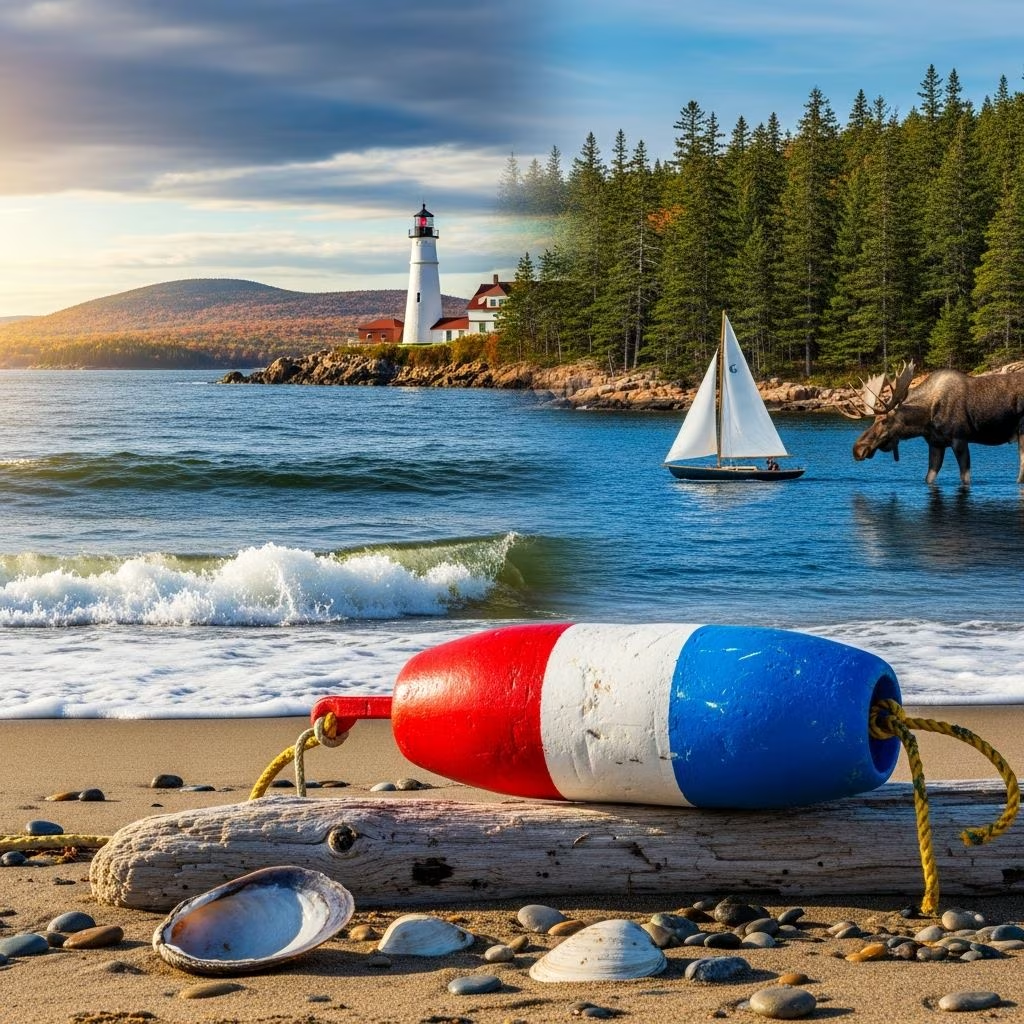
Maine, located in the northernmost corner of New England, offers visitors a distinctive blend of rugged coastal landscapes, pristine forests, and charming maritime villages. Before embarking on your journey to this northeastern gem, understanding the state’s geography, climate, attractions, and practical logistics will significantly enhance your travel experience. This comprehensive guide provides the essential information needed to plan a memorable Maine vacation.
Maine’s landscape transforms dramatically from south to north, offering distinct experiences depending on which region you explore. The state comprises several distinct areas, each with unique characteristics and appeal to different types of travelers.
The Southern Coastal Region stretches approximately 50 miles along Route One and Interstate 95, representing the most populated and accessible portion of Maine’s coastline. This area features a combination of sandy beaches interspersed with rocky cliffs and is home to some of Maine’s most iconic lighthouses. Sandy beaches such as Old Orchard Beach and Kennebunkport provide warm-weather recreation opportunities, while charming towns like Kittery offer boutique shopping and dining experiences.
The Central Midcoast Region encompasses picturesque sailing villages and artistic communities. Towns like Camden, Rockport, and Boothbay Harbor showcase traditional New England maritime architecture, excellent seafood restaurants, and cultural attractions. This region strikes a balance between tourist amenities and authentic coastal character.
The Down East Region contains the state’s most remote and rugged landscapes, dominated by Acadia National Park and surrounding wilderness areas. This region attracts visitors seeking dramatic mountain vistas, pristine hiking trails, and opportunities to experience Maine’s natural beauty in a less commercialized setting.
Approximately 90% of Maine consists of forest, with dense pine woodlands dominating the inland regions. This substantial forest coverage creates a distinct contrast between Maine’s developed coastal areas and its vast, untamed interior.
Maine’s weather patterns vary significantly throughout the year, influencing accessibility, pricing, and available activities. Understanding seasonal characteristics helps travelers plan optimal visit timing.
Summer (June-August) represents peak tourist season, offering warm temperatures, clear skies, and fully operational attractions. Coastal water temperatures reach their warmest levels, making beach activities and marine wildlife viewing particularly popular. However, this period coincides with higher accommodation prices and crowded attractions.
Autumn (September-October) brings cooler temperatures and dramatic foliage as maple and birch trees transition to vibrant reds and oranges. This season attracts hikers and photographers while offering relief from summer crowds and more reasonable pricing.
Winter (November-March) transforms Maine into a snow-covered landscape suited for skiing, snowshoeing, and winter sports. Coastal towns quiet considerably, and many seasonal businesses close. However, visitors who embrace winter conditions discover Maine’s serene, less-traveled character.
Spring (April-May) brings gradually warming temperatures and awakening nature, though weather remains unpredictable. This shoulder season offers a good balance between manageable crowds and functioning attractions.
Located on Mount Desert Island, Acadia National Park represents Maine’s crown jewel for outdoor enthusiasts. The park encompasses picturesque coastline, mountain views, and diverse ecosystems supporting extensive hiking and recreational opportunities. Visitors can drive carriage roads designed to minimize environmental impact, participate in ranger-led programs, and access multiple scenic vistas.
Key features include:
To manage Acadia’s popularity, consider staying in quieter alternatives like Southwest Harbor, which provides access to the park’s attractions while avoiding Bar Harbor’s congestion.
Camden showcases New England maritime charm with its picturesque harbor, independent shops, and excellent restaurants. Mount Battie, accessible via scenic drive or hiking trail, provides panoramic views encompassing the harbor and surrounding mountains.
Rockland serves as Maine’s cultural hub, featuring the Farnsworth Art Museum and serving as the annual host of Maine’s Lobster Festival each August. The iconic Rockland Breakwater Lighthouse offers historical context and coastal photography opportunities.
Boothbay Harbor maintains its working fishing village character while offering tourist amenities including boat tours, puffin cruises, and the Coastal Maine Botanical Gardens. The harbor’s maritime atmosphere and waterfront dining make it a quintessential Maine destination.
Kennebunkport combines upscale resort amenities with traditional coastal character, featuring sandy beaches, Dock Square’s eclectic shopping and dining, and views of historic presidential compounds.
Maine’s maritime history permeates its culture and landscape, manifested most visibly in the state’s numerous lighthouses. These structures represent essential navigation aids transformed into cultural icons and tourist destinations.
Essential lighthouses include:
The Maine Maritime Museum in Bath offers comprehensive maritime history education, complementing lighthouse visits with contextual understanding of Maine’s seafaring heritage.
Maine’s diverse ecosystems support abundant wildlife viewing opportunities throughout the state. Coastal waters attract marine mammals including seals, whales, and puffins, accessible through organized tours departing from various harbors.
Puffin cruises from Boothbay Harbor and other coastal locations provide encounters with these charismatic seabirds nesting on offshore islands. Tide pool exploration at coastal areas reveals sea stars, anemones, and other marine life during low tide.
Hiking represents Maine’s quintessential outdoor activity, with trails spanning difficulty levels from leisurely walks to challenging mountain ascents. The state’s pine forests and glaciated peaks create diverse landscapes supporting varied hiking experiences.
Family-friendly activities include visits to Maine Wildlife Park and the Owls Head Transportation Museum, offering interactive nature and aviation experiences suitable for children.
Maine’s food culture centers on seafood, particularly lobster, which appears on menus throughout the state. While lobster represents the state’s most famous culinary export, coastal communities also feature clam chowder, crab rolls, and fresh fish preparations. Portland’s Old Port district concentrates restaurants ranging from casual seafood shacks to upscale establishments.
Local breweries have emerged as cultural gathering places, particularly in Portland and coastal towns, offering craft beers alongside pub fare. These establishments provide opportunities to experience Maine’s contemporary food scene while meeting locals.
Lodging options span luxury resorts, mid-range hotels, bed-and-breakfasts, and vacation rentals. Strategic accommodation selection significantly impacts both experience and budget. Choosing accommodations near planned activities minimizes driving time and maximizes leisure hours.
For Acadia National Park visitors, staying in Bar Harbor provides convenient park access but involves higher prices and summer crowds. Southwest Harbor offers similar access with reduced congestion and lower rates. Coastal towns like Camden and Rockland provide cultural experiences alongside park proximity.
Driving along U.S. Route 1 from Portland northward to Acadia provides the quintessential Maine coastal journey, offering numerous scenic stops and village explorations. This route prioritizes experience over speed, with travelers averaging 20-30 miles per day to accommodate attractions.
The Penobscot Narrows Bridge in Bucksport features an observable deck providing panoramic views and serves as a noteworthy stop on northbound journeys. Highway 209 leads to Popham Beach State Park, a hidden gem offering seal sightings and beach exploration at low tide.
Traveling without a vehicle significantly limits Maine exploration, as public transportation remains limited outside major cities. Car rental represents a practical necessity for most visitors.
Maine’s coastal climate requires specific preparation. Bring a camera capable of capturing dramatic scenery, as Maine’s landscapes consistently provide photographic opportunities. Layered clothing accommodates temperature fluctuations between coastal breezes and inland areas. Waterproof outerwear protects against maritime weather conditions. Comfortable hiking boots prove essential for trail exploration.
A comprehensive Maine itinerary balances major attractions with discovery of less-trafficked locations. The following framework adapts to various timeframes:
This framework prioritizes Maine’s most celebrated attractions while allowing flexibility for personal interests and unexpected discoveries.
Maine’s distinct character emerges from its combination of dramatic natural landscapes, maritime heritage, and authentic coastal communities. By understanding the state’s geographic diversity, seasonal variations, and major attractions, visitors can craft meaningful experiences extending beyond typical tourist activities. Whether seeking Acadia’s mountain vistas, coastal village charm, or wilderness immersion, Maine offers distinctive New England experiences that justify its reputation as America’s premier northeastern destination. Adequate preparation transforms Maine travel from simple sightseeing into genuine exploration of one of America’s most compelling natural and cultural landscapes.
