

 Travel Essentials
 Travel Essentials

Essential guide covering visas, health, safety, climate, culture, and activities for planning your Malawi adventure.
 Travel Essentials
Planning a trip to Malawi offers access to stunning natural wonders, vibrant cultures, and welcoming communities in one of Africa’s hidden gems. Known as the Warm Heart of Africa, this landlocked nation captivates with Lake Malawi’s crystal waters, diverse wildlife reserves, and rich traditions. This guide equips you with practical knowledge to navigate visas, health risks, road safety, and local customs for a seamless adventure.
All travelers require a passport valid for at least six months beyond their departure date from Malawi. Recent updates mandate visas for most nationalities, with fees applicable upon arrival or via online application. Check official sources for exemptions, primarily for select regional visitors. Prepare yellow fever vaccination proof, as border officials may inspect it.https://travel.state.gov Always verify entry rules closer to your travel date, as policies evolve.https://www.smartraveller.gov.au
Malawi’s climate divides into dry (May-October) and rainy (November-April) seasons. The dry period brings mild days (7-23°C) and lush landscapes, ideal for hiking and city exploration. Wildlife viewing peaks in the hotter dry months of September-October, when animals cluster near water sources. Avoid rainy season roads, which become treacherous with flooding and mudslides. Summer averages 20-32°C, winters 15-28°C.https://www.go2africa.com
| Season | Months | Temperature Range | Best Activities |
|---|---|---|---|
| Dry/Cool | May-Aug | 7-23°C | Hiking, birdwatching |
| Dry/Hot | Sep-Oct | 20-32°C | Safaris, snorkeling |
| Rainy | Nov-Apr | 15-28°C | Avoid roads; beach relaxation |
Prioritize health consultations 4-6 weeks before departure. Essential vaccines include hepatitis A/B, typhoid, rabies, tetanus, polio, and yellow fever. Malaria prophylaxis is critical countrywide; start medication days prior and continue post-trip. Use DEET repellent, long sleeves during dawn/dusk mosquito peaks, and consider bed nets. Drink only bottled water, skip ice, and opt for peeled fruits. High UV demands sunscreen (SPF 50+), hats, and rash guards for lake activities.https://www.responsiblevacation.com
Malawians prize hospitality and modesty. Greet with “Muli bwanji?” (How are you?) before business, inquiring about family in Chichewa (60% spoken) or English. Chitumbuka prevails north, Nyanja south. Dress conservatively in villages—cover shoulders/knees, especially Muslim areas. Women benefit from chitenge wraps from markets. Engage in political chats humorously; respect traditions like music festivals and crafts.
Right-hand use for eating nsima (maize porridge) and dipping relishes (fish, beans, greens). Leave suitcase space for baskets, masks, and chitenge souvenirs.https://www.go2africa.com
Crime like theft and robbery occurs, especially urban areas; police response is limited. Exercise caution at night, secure valuables, and avoid flashy displays. Protests over politics can block roads with tear gas—monitor news. Night driving risks potholes, animals, reckless passes; use daytime coaches, lake ferries, or driver-guides instead.https://travel.state.gov
Minibuses (matolas) pack tightly for budget travel between cities. Coaches offer comfort on main routes. Lake ferries connect islands economically. Rent 4x4s with drivers for parks; self-drive demands experience. Taxis negotiate fares upfront. Air charters link reserves quickly.
Lake Malawi, a UNESCO site spanning 20% of the country, hosts 1,000+ fish species for snorkeling/diving in Cape Maclear or Likoma Island. Nyika Plateau’s rolling grasslands shelter antelope, leopards; bike or hike trails. Liwonde and Majete boast Big 5 safaris, Shire River boat trips. Birders tally 645 species nationwide. Wetlands and mountains add forested escapes.https://www.go2africa.com
| Attraction | Highlights | Best Time |
|---|---|---|
| Lake Malawi NP | Snorkeling, beaches | Sep-Oct |
| Nyika Plateau | Hiking, antelope | May-Oct |
| Liwonde NP | Big 5, boat safaris | Dry season |
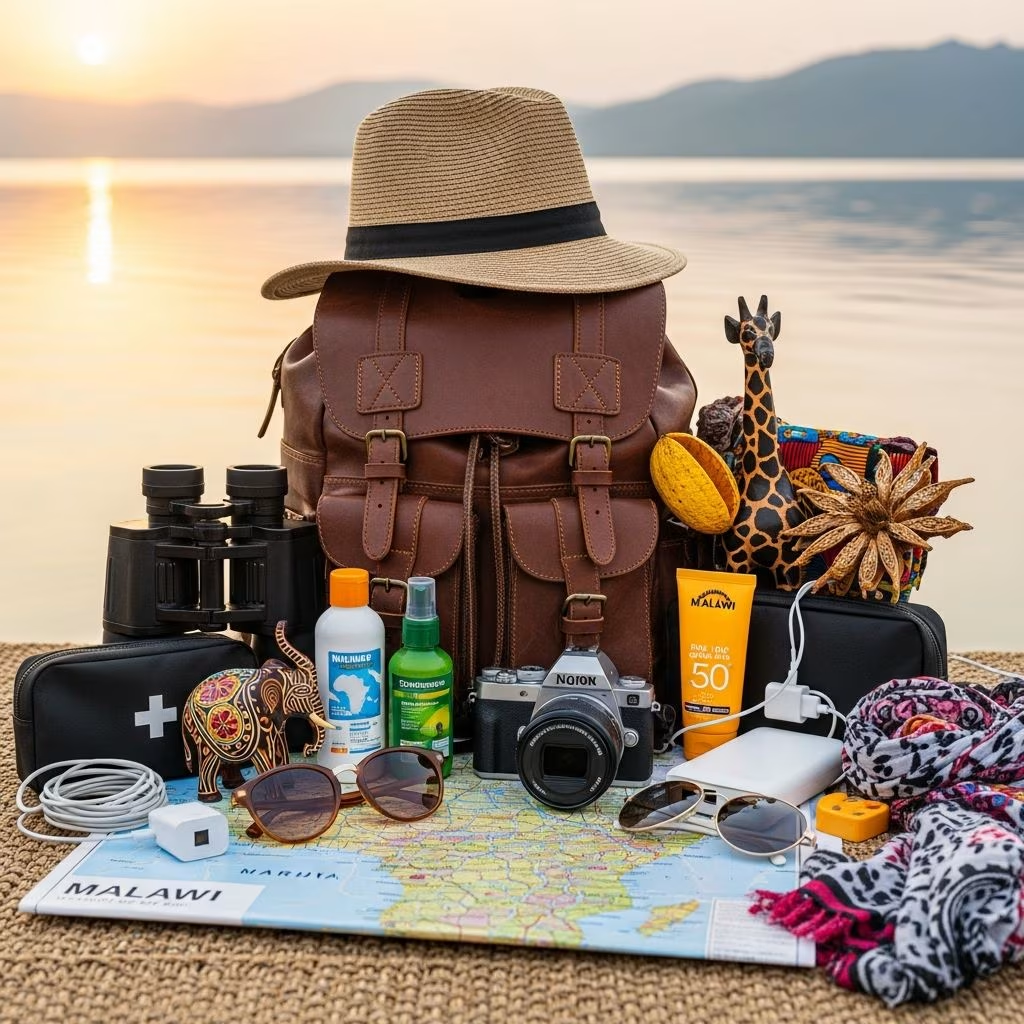
Lightweight, breathable clothes suit heat; layers for highlands. Sandals for beaches, sturdy boots for trails. Sunscreen, hat, repellent, malaria meds, net, binoculars, snorkel gear. Modest attire, chitenge, reusable bottle, power bank. Binoculars enhance wildlife spotting; leave space for souvenirs.
Nsima anchors meals—dense maize base scooped right-handed into stews of chicken, beef, kapenta (dried fish), or chibwabwa (pumpkin leaves). chambo (tilapia) shines lakeside. Try thobwa (porridge drink), mandasi (doughnuts). Vegetarian options abound with beans, veggies. Bottled drinks safe; sample local beers like Kuche Kuche.https://www.audleytravel.com
Human presence dates a million years; Khoisan first, then Bantu farmers by 1500s formed empires. Slave trade ravaged, British colonized post-Livingstone (Nyasaland till 1964 independence). Today, 20% protected land balances farming and tourism in dense population.
Yes, most visitors require one; apply online or at entry with fees. Passport validity: 6+ months.https://www.smartraveller.gov.au
With precautions against petty crime and night travel, yes. Use reputable transport; Level 2 advisory applies.https://travel.state.gov
September-October for sparse vegetation aiding sightings in parks like Majete.
Yellow fever proof mandatory; recommend hep A/B, typhoid, malaria prophylaxis.https://www.responsiblevacation.com
No; stick to bottled or treated sources.
