

 Travel Essentials
 Travel Essentials

Explore Malaysia's diverse attractions spanning bustling cities, ancient rainforests, island paradises, and cultural heritage sites that showcase the nation's natural and cultural wealth.
 Travel Essentials
Malaysia stands as one of Southeast Asia’s most captivating travel destinations, offering an extraordinary blend of modern urban centers, pristine natural environments, and rich cultural traditions. This tropical nation encompasses diverse landscapes ranging from towering skyscrapers to ancient rainforests, making it an ideal destination for travelers with varying interests. Whether you seek adventure, cultural immersion, culinary experiences, or relaxation, Malaysia’s regions provide distinctive experiences that cater to every type of visitor.
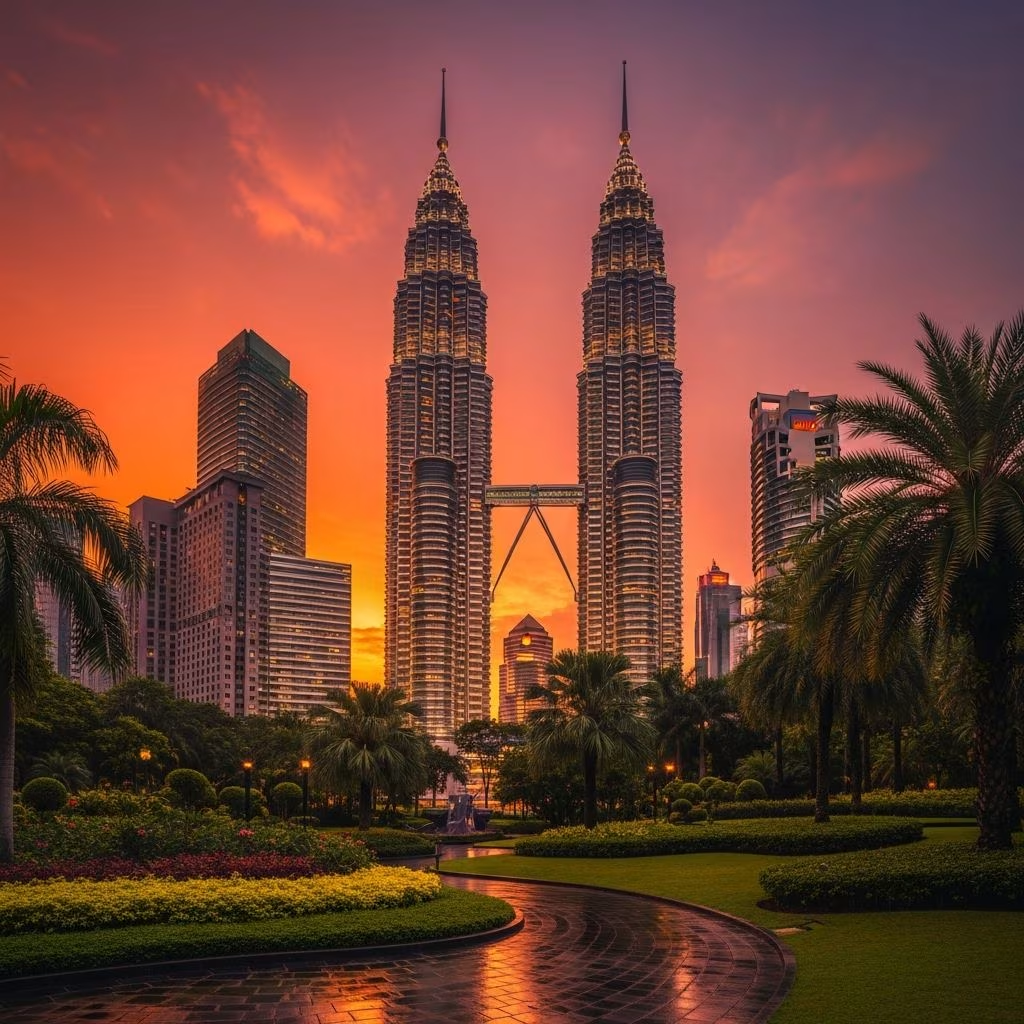
As Malaysia’s capital and largest metropolitan area, Kuala Lumpur represents the nation’s modern face while maintaining deep cultural roots. The city serves as an essential starting point for most visitors, offering world-class infrastructure and attractions that blend contemporary architecture with traditional elements. The urban landscape showcases Malaysia’s development over recent decades, featuring impressive skylines, shopping districts, and entertainment venues alongside historic neighborhoods and religious sites.
The cityscape features iconic landmarks that define Kuala Lumpur’s identity. Visitors can experience panoramic views from elevated vantage points that offer perspective on the sprawling metropolis below. The downtown area contains vibrant markets, shopping complexes, and dining establishments reflecting Malaysia’s multicultural character. Religious sites representing different faiths dot the urban landscape, including temples, mosques, churches, and prayer halls that highlight the city’s diverse spiritual traditions.
Beyond the central business district, Kuala Lumpur offers numerous attractions including gardens, museums, and recreational facilities. The city serves as a cultural hub where traditional festivals occur throughout the year, bringing communities together in celebration. Shopping enthusiasts discover everything from luxury boutiques to traditional craft markets, while food lovers navigate diverse culinary scenes representing Malay, Chinese, Indian, and international cuisines.
Northern Kuala Lumpur contains remarkable limestone formations that have attracted pilgrims and tourists for centuries. These distinctive natural monuments rise dramatically from the surrounding landscape, creating a striking contrast with the urban environment. The site functions as both a significant religious location and major tourist attraction, drawing visitors from around the world regardless of their faith background.
The limestone formations house multiple chambers decorated with religious iconography and statuary. A prominent golden figure welcomes visitors at the main entrance, serving as the site’s most recognizable symbol. Reaching the uppermost chambers requires ascending numerous steps through corridors carved within the rock formations, providing exercise combined with exploration of the natural caverns.
This location holds particular significance during annual religious observances when thousands of devotees participate in spiritual celebrations. The natural cave systems create unique atmospheric conditions, with natural light filtering through openings above, illuminating the interior spaces in ethereal ways. Local wildlife, including primates, inhabits the surrounding areas, adding to the site’s ecological interest.
East of Kuala Lumpur, elevated terrain creates dramatically different environmental conditions from the lowland capital. This highland region experiences cooler temperatures and abundant rainfall, supporting lush vegetation and productive agricultural operations. The cooler climate provides respite from Malaysia’s typically tropical heat, making it an appealing destination for those seeking temperature relief.
The highlands feature extensive agricultural operations producing specialty crops suited to the region’s climate. Terraced plantations cascade down hillsides, creating visually stunning landscapes while supporting the local economy. Visitors can observe traditional cultivation methods combined with modern agricultural practices, understanding how communities sustain themselves through the land.
This region offers various recreational activities including hiking through forested areas, visiting local farms, and exploring traditional villages. The cooler temperatures encourage outdoor pursuits that might be uncomfortable in lowland regions. Local markets feature fresh produce and specialty items unique to highland cultivation, providing visitors with culinary and cultural experiences. The combination of natural beauty and human activity creates landscapes that continually change with seasonal cycles.
Penang, located on Malaysia’s northwestern coast, represents a significant cultural and commercial hub with centuries of colonial and multicultural heritage. The state comprises Penang Island and Seberang Perai on the mainland, connected by bridges facilitating commerce and tourism. Georgetown, Penang’s capital city, contains extensive colonial architecture and street art that reflect the region’s layered historical development.
The island’s strategic location historically made it crucial to regional trade networks, attracting merchants, traders, and settlers from diverse backgrounds. This multicultural heritage remains evident in the architecture, cuisine, festivals, and daily life. The blend of cultural influences created unique artistic and architectural expressions found nowhere else in Malaysia.
Penang offers beach experiences, hillside retreats, cultural museums, and heritage temples alongside contemporary attractions. The region’s culinary scene earned recognition as Malaysia’s food capital, with hawker centers and restaurants serving distinctive regional dishes. Botanical gardens, butterfly sanctuaries, and nature reserves provide environmental experiences within reasonable distances from urban centers. The combination of heritage appreciation, nature exploration, and gastronomic pleasure makes Penang appealing to diverse visitor interests.
Malaysia’s extensive coastline and offshore areas feature numerous islands offering distinct tropical experiences. These island destinations range from well-developed resort areas to relatively undisturbed natural environments, providing options for different comfort levels and travel styles.
Several major islands attract significant visitor numbers due to their accessibility, facilities, and natural attributes. These destinations offer water-based activities including swimming, snorkeling, and diving, combined with beach relaxation and island exploration. Island environments support diverse marine ecosystems, making them valuable for both recreational enjoyment and ecological observation.
Other island destinations maintain more rustic characters, appealing to travelers seeking simpler accommodations and less crowded environments. These areas often feature pristine beaches, clear waters, and opportunities for independent exploration. Local communities on smaller islands maintain traditional lifestyles relatively unchanged by intensive tourism development, offering cultural insights for interested visitors.
Malaysian Borneo encompasses Sabah and Sarawak, representing vast territories with distinctive cultures, wildlife, and landscapes. These regions feel separate from Peninsular Malaysia despite political unity, featuring unique indigenous populations, tropical rainforests, and mountain ranges.
Sabah’s primary city serves as a gateway to natural attractions and diving destinations. Nearby protected areas preserve tropical biodiversity while accommodating visitor access through established trails and facilities. Coastal areas offer marine experiences including snorkeling and diving at accessible reef systems. Indigenous cultural villages provide opportunities for cultural exchange and understanding of traditional lifestyles adapted to forest and coastal environments.
Protected mountain regions dominate eastern Sabah’s landscape, featuring Southeast Asia’s highest peak. These mountainous areas attract climbers and trekkers seeking summit experiences and highland ecosystem exploration. The elevation creates distinct climate zones supporting different vegetation types, creating varied hiking experiences as elevations increase. Successful climbs require proper preparation but reward participants with panoramic views and personal achievement satisfaction.
Malaysia preserves some of the world’s oldest rainforest ecosystems within protected national parks spanning multiple states. These protected areas represent irreplaceable biodiversity repositories, home to species found nowhere else globally. The rainforests support indigenous human communities who maintain traditional relationships with the forest environment.
These protected wilderness areas offer various visitor experiences ranging from day hikes to multi-day expeditions. Established trail systems guide visitors through rainforest environments while professional guides enhance ecological understanding. Canopy walk structures provide elevated perspectives on forest ecosystems, offering viewing opportunities otherwise impossible from ground level. River activities including boating and fishing complement terrestrial exploration, providing comprehensive wilderness immersion.
Visiting these rainforest areas contributes to conservation efforts through entrance fees supporting protection and management. Encounters with wildlife including birds, mammals, and insects, though unpredictable, reward patient observation. The rainforest ecosystem’s complexity and interdependence become apparent during extended visits, creating lasting appreciation for these environments’ ecological significance.
Several Malaysian cities preserve extensive historical architecture and cultural heritage, offering visitors insights into the nation’s multicultural past. These cities contain religious sites, residential structures, and commercial buildings representing various cultural traditions and historical periods.
Colonial-era buildings interspersed with traditional structures create architectural variety reflecting Malaysia’s historical development. Museums and heritage centers interpret historical narratives, providing context for understanding these landscapes’ significance. Local residents maintain traditional practices, crafts, and cuisines that preserve cultural knowledge across generations.
These heritage cities attract visitors interested in history, architecture, and cultural anthropology. Walking through historic districts reveals layers of cultural expression in building styles, religious iconography, and street layouts. Local markets preserve traditional commerce methods and offer regional specialty items difficult to find elsewhere. Cultural festivals occurring throughout the year bring communities together in celebrations that visitors can observe or participate in alongside residents.
Malaysia’s national park system protects diverse ecosystems ranging from lowland rainforests to highland forests. These protected areas maintain ecological processes essential for species survival while accommodating scientific research and visitor access. Park management balances conservation with sustainable tourism, allowing environmental study and enjoyment without degradation.
Visitor facilities within parks range from basic shelters to developed infrastructure depending on park size and location. Ranger programs educate visitors about ecological processes, wildlife behavior, and conservation challenges. Guided experiences enhance visitor safety and learning, particularly for those unfamiliar with tropical rainforest environments. Independent exploration remains possible for experienced visitors comfortable with wilderness navigation.
| Destination Type | Best Season | Primary Activities | Typical Duration |
|---|---|---|---|
| Urban Centers | Year-round | Cultural sites, dining, shopping | 2-4 days |
| Highland Regions | December-March | Hiking, agriculture tours | 2-3 days |
| Island Destinations | December-April | Beach activities, diving | 3-7 days |
| Rainforest Parks | December-March | Trekking, wildlife observation | 2-5 days |
| Heritage Cities | Year-round | Architecture tours, festivals | 2-3 days |
Malaysia’s tropical climate supports year-round tourism, though weather patterns vary by region. December through March generally offers drier conditions across most areas, making it the preferred season for outdoor activities. The remaining months experience higher rainfall but fewer tourists and lower accommodation prices in many areas.
Malaysia features well-developed transportation infrastructure including domestic flights, buses, trains, and boat services connecting major destinations. Kuala Lumpur serves as the central hub with frequent connections to regional cities. Rental vehicles provide flexibility for independent travelers comfortable with local driving conditions.
Malaysia’s multicultural society practices Islam, Buddhism, Hinduism, and Christianity, each with associated customs and practices. Visitors should demonstrate respect for religious sites and traditions, dressing appropriately and observing behavioral guidelines. During religious holidays, some businesses may have modified hours or specific observances.
Urban explorers prefer Kuala Lumpur and Georgetown’s colonial heritage. Nature enthusiasts choose national parks and island destinations. Adventure seekers head to mountain climbing opportunities and whitewater activities. Relaxation-focused travelers select island resorts and spa facilities.
Urban and heritage sites offer accessible exploration at individual paces. Highland and rainforest activities require varying fitness levels, with options from moderate day hikes to strenuous multi-day expeditions. Island activities accommodate swimmers and non-swimmers through snorkeling, diving, and boat experiences.
