


 Food & Culture
Food & Culture
Malaysian Cuisine: Dishes, Flavors, and Food Culture
Discover Malaysia's diverse culinary landscape, blending Malay, Chinese, Indian, and indigenous traditions into unique dishes and authentic flavors.
 Food & Culture
Malaysia stands as one of Asia’s most compelling culinary destinations, where the nation’s ethnic and cultural diversity translates directly onto the plate. The food landscape reflects centuries of interaction between indigenous Malay communities, Chinese traders, Indian merchants, and Portuguese colonizers, each contributing distinctive techniques, ingredients, and flavor profiles that have merged into a cohesive yet endlessly varied cuisine. This gastronomic heritage represents far more than simple sustenance—it embodies the historical, social, and commercial connections that have shaped Southeast Asia.
The Foundations of Malaysian Culinary Tradition
Malaysian cuisine rests upon fundamental ingredients and cooking principles that distinguish it within the broader Asian food spectrum. The cornerstone of nearly every Malaysian dish involves bold, layered spicing combined with the generous use of coconut milk, which imparts richness and depth to both savory and sweet preparations. Common spices include turmeric, coriander, and cumin, though regional variations introduce countless other aromatics and heat levels.
What sets Malaysian cooking apart is the prominence of sambal—a complex chili-based condiment infused with shrimp paste, garlic, and various aromatics—which appears in nearly every meal context. This sauce embodies the Malaysian culinary philosophy: balancing heat, umami, and subtle sweetness within a single preparation. Fish features prominently across the cuisine, prepared through multiple techniques ranging from grilling over charcoal to slow-simmering in coconut curries.
Eating customs also define the Malaysian dining experience. Traditionally, food arrives as a communal spread, with diners selecting from multiple dishes and eating with their right hands, keeping the left resting beneath the table as a sign of respect. This approach emphasizes sharing and connection, transforming meals into social events rather than mere nutritional intake.
Rice-Based Foundations: National Treasures and Regional Pride
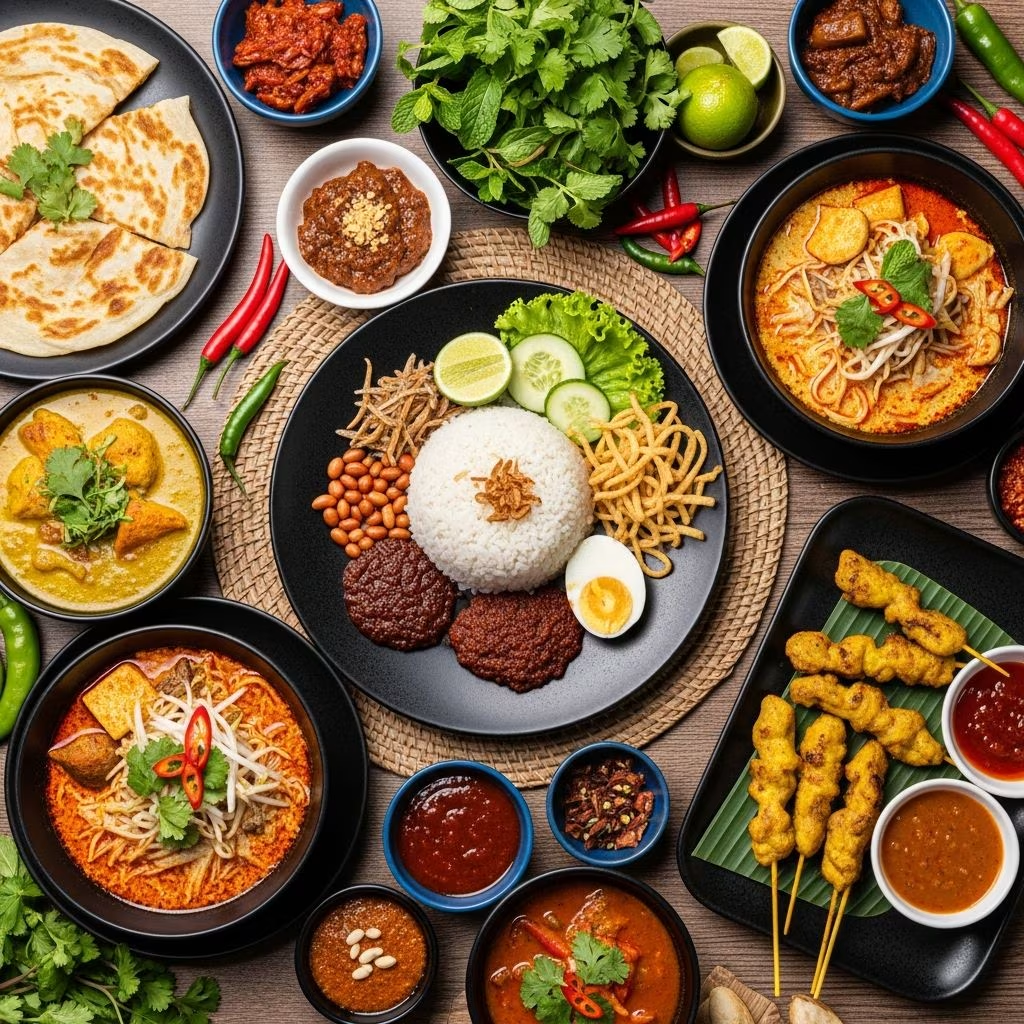
Rice occupies the central position in Malaysian gastronomy, serving as the foundation for numerous signature dishes that command deep respect and loyalty among locals and visitors alike. The national dish, nasi lemak, exemplifies this prominence. Rather than ordinary steamed rice, nasi lemak involves coconut milk-infused rice boiled with pandan leaves and warming spices, transforming a humble grain into something distinctly Malaysian.
The presentation of nasi lemak ranges from humble to elaborate. Street vendors wrap simple versions in banana leaves—rice topped with sambal, crispy anchovies, peanuts, and perhaps a hard-boiled egg. More refined establishments present elaborate buffet arrangements alongside the coconut rice, allowing diners to customize their experience with multiple curries and chili preparations. The sambal sotong variation, featuring squid in chili curry, represents one particularly beloved iteration.
Nasi kandar emerged from a different culinary tradition entirely. Originally sold by mobile vendors who carried large pots of rice and curry using a kandar (pole support), this dish has evolved into a restaurant staple found across Malaysia. The concept remains straightforward: fragrant rice served with an array of Indian-influenced curries, allowing diners to select their preferred accompaniments. This democratic approach to meal composition appeals to both adventurous eaters and those preferring familiar flavors.
Nasi biryani represents another rice-centered treasure, particularly in its incarnation at Nasi-Kandar establishments run by the Mamak community of Malay Indians. Diners order biryani rice—a fragrant, spiced preparation—alongside fried chicken and supplementary proteins, then request curry sauces drizzled atop the final composition, creating an intensely flavorful experience.
Noodle Dishes: Complexity and Regional Character
Malaysian noodle preparations demonstrate remarkable complexity and regional variation. Assam laksa, particularly associated with Penang, represents one of the most distinctive preparations—thick rice noodles submerged in a tangy fish-based broth. The defining element remains the laksa sauce itself, which varies considerably based on regional and vendor interpretations, incorporating tamarind, palm sugar, and shrimp paste into a murky but intensely flavorful foundation.
Curry laksa takes a substantially different approach, featuring noodles swimming in thick, coconut milk-enriched curry rather than clear broth. This preparation introduces ingredients including coagulated pork blood, shrimp, fish, and chicken alongside vegetables like bean sprouts, creating textural and flavor complexity in every spoonful.
Char koay teow occupies a distinct position within Malaysian street food culture, representing Chinese culinary influence through thick rice noodles stir-fried at high temperatures with fat, soy sauce, oyster sauce, egg, bean sprouts, shrimp, and Chinese sausage. The charcoal-fired cooking technique imparts a subtle smokiness that distinguishes this preparation from other Asian noodle dishes.
Hokkien mee, particularly the Kuala Lumpur version, showcases how regional variations can transform a dish’s essential character. Made with thick noodles in a dark, dense soy sauce, the preparation appears potentially oversalted upon first inspection, yet achieves remarkable flavor balance through careful ingredient proportioning and technique.
Indian Heritage and the Banana Leaf Experience
Indian culinary traditions have profoundly influenced Malaysian food culture, introducing numerous preparations and dining customs that have become thoroughly integrated into local identity. Roti canai exemplifies this influence—a flatbread of Indian origin now universally recognized as quintessentially Malaysian. Best experienced at street stalls while watching vendors skillfully manipulate and fold dough, roti canai arrives accompanied by dahl and curry for dipping.
Murtabak represents another Indian-Muslim contribution, arriving through traders from Tamil Nadu. This stuffed preparation resembles a pancake filled with egg, onion, spices, and ground beef (or mutton, chicken, or other proteins), served alongside dahl and curries in the manner of roti canai.
The banana leaf dining experience encapsulates South Indian culinary traditions as practiced throughout Malaysia. Diners sit at tables with banana leaves serving as plates, whereupon servers deliver generous portions of rice and multiple vegetarian curries, creating a vegetable-forward, spice-intense meal that satisfies both palate and appetite.
Grilled and Charcoal-Prepared Specialties
Malaysian cuisine celebrates open-flame cooking techniques that impart distinctive char and smokiness. Ikan bakar—literally “grilled fish” in Bahasa Malaysia—involves marinating fish in chili paste before grilling over charcoal upon banana leaves. The moist flesh, infused with smoke and spice, pairs with rice, vegetable dishes, and kecap manis (sweet soy sauce) for dipping, creating a complete and satisfying meal.
Contemporary Evolution and Dietary Adaptation
Malaysian cuisine continues evolving to meet changing consumer preferences and global influences. Health-conscious dining trends have prompted many establishments to offer grilled proteins and abundant vegetables alongside traditional rich preparations. Traditional ingredients like pandan and lemongrass have gained renewed recognition for their purported wellness benefits, creating a bridge between ancestral cooking methods and contemporary nutritional awareness.
Fusion cuisine represents another significant evolution, combining Malaysian foundations with Chinese, Indian, and Western techniques to create novel preparations. Malaysian-style fried rice with Chinese sausage or Indian-spiced curry with Malaysian aromatics exemplify this creative recombination.
Plant-based cooking, once marginalized, now occupies a more prominent position as vegetarianism and veganism gain adherents throughout Malaysia. Many traditional dishes like nasi lemak and laksa accommodate vegetarian adaptations naturally, while restaurants increasingly develop dedicated vegan and vegetarian menus to serve this expanding demographic.
Practical Guide to Malaysian Dining
Where to Eat
Street stalls and hawker centers represent the heart of Malaysian food culture, offering authentic preparations at minimal cost. These informal establishments typically specialize in one or two dishes, allowing vendors to perfect their craft through repetition and refinement. Mamak restaurants provide relaxed environments for trying nasi kandar and biryani preparations, often operating late into the evening. Banana leaf restaurants concentrate on South Indian specialties, while upscale establishments offer refined interpretations of traditional dishes with contemporary plating and ingredient sourcing.
Dining Etiquette
Eat with your right hand when possible, as the left traditionally carries cultural significance regarding cleanliness. Accept food graciously when offered, as hospitality represents a fundamental Malaysian value. Arrive with curiosity and openness, as many dishes contain unfamiliar ingredients or textures that reward adventurous palates.
Frequently Asked Questions
What makes Malaysian cuisine unique within Southeast Asia?
Malaysian cuisine’s defining characteristic involves its deliberate synthesis of Malay, Chinese, Indian, and indigenous traditions into genuinely integrated dishes rather than parallel culinary systems. This blending reflects centuries of coexistence and cultural exchange, producing flavor combinations and cooking techniques found nowhere else.
Are vegetarian options readily available?
Yes, Malaysian cuisine naturally accommodates vegetarian diets through dishes like banana leaf preparations, vegetable-forward curries, and noodle dishes without meat components. Modern restaurants increasingly develop dedicated vegetarian and vegan menus.
How spicy is Malaysian food?
Spice levels vary considerably depending on dish type and preparation. Sambal-heavy preparations register quite hot, while coconut milk-based curries offer moderate spiciness balanced by richness. Most establishments accommodate preferences when requested.
What should first-time visitors prioritize?
Begin with nasi lemak to understand Malaysian culinary foundations, then explore regional specialties like Penang’s assam laksa and Kuala Lumpur’s hokkien mee to appreciate geographical variations.
References
- Malaysian Food Guide: The Main Typical Dishes Of Malaysia — Food and Road. Accessed 2026-04-22. https://foodandroad.com/malaysian-food/
- About Malaysia: People, Food and Culture — AFS-USA. Accessed 2026-04-22. https://www.afsusa.org/countries/malaysia/
- Malaysia Food and Travel Guide — Migrationology. Accessed 2026-04-22. https://migrationology.com/travel-destinations/malaysia-food-guide/
- Malaysian Cuisine Evolution and Fusion — Southeast Asia Food Group. Accessed 2026-04-22. https://safg.us/portfolio/malaysia/
- Southeast Asian Food Culture Documentary — Video content. Accessed 2026-04-22. https://www.youtube.com/watch?v=0BScF_gdj8g
On This Page
The Foundations of Malaysian Culinary Tradition Rice-Based Foundations: National Treasures and Regional Pride Noodle Dishes: Complexity and Regional Character Indian Heritage and the Banana Leaf Experience Grilled and Charcoal-Prepared Specialties Contemporary Evolution and Dietary Adaptation Practical Guide to Malaysian Dining Frequently Asked Questions← Previous
Best Beaches in St. Thomas, USVI: Top Spots for Snorkeling, Families & Relaxing
Next →
Best Places to Eat in Seoul: Korean BBQ, Street Food, Fine Dining & More
Related Reading
More in Food & Culture
Food & Culture Food & Culture
 Food & Culture
Best Places to Eat in Rome: Neighborhood Dining Guide
 Food & Culture
 Food & Culture