

 Travel Essentials
 Travel Essentials

Discover premier snorkeling and diving spots in the Maldives, from thilas to atolls teeming with marine life. Learn optimal times, essential equipment, safety protocols, and accommodation options for unforgettable ocean explorations.
 Travel Essentials
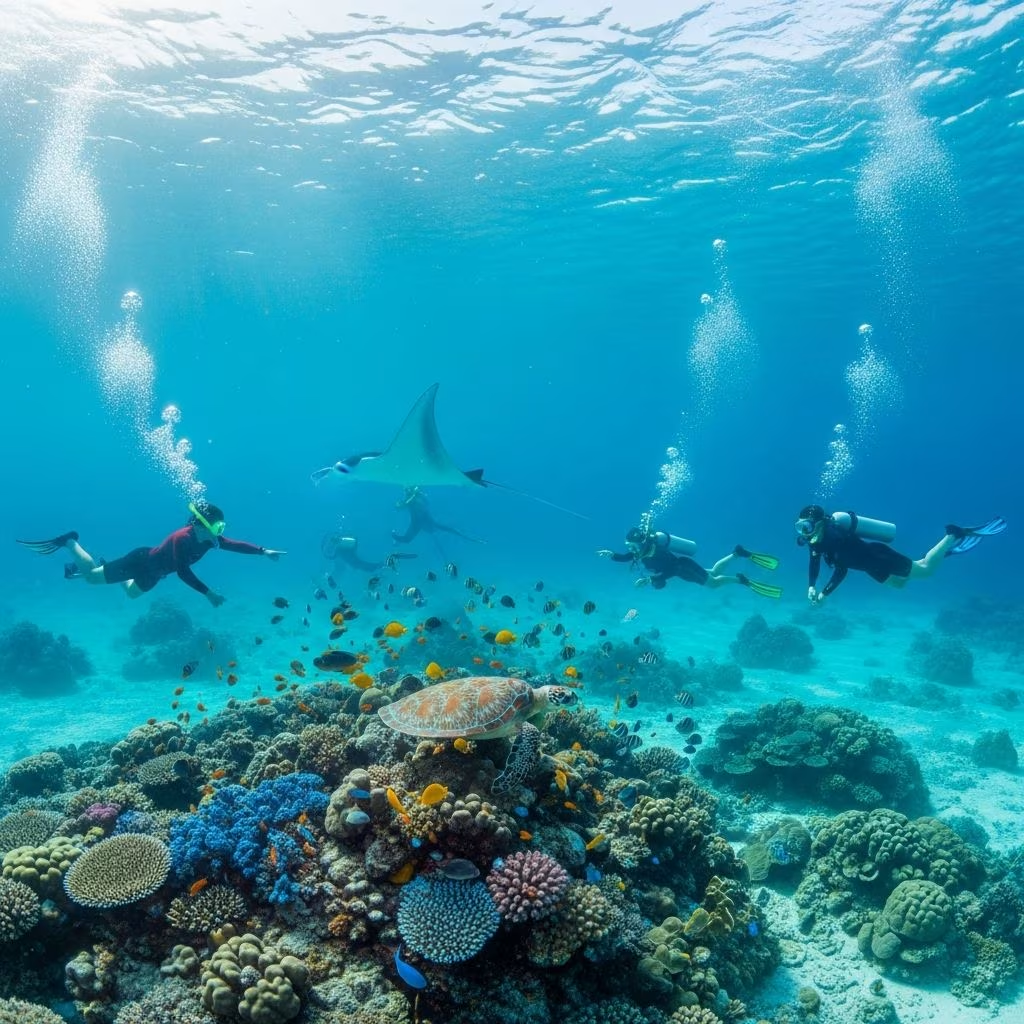
The Maldives, an archipelago of over 1,000 coral islands scattered across the Indian Ocean, boasts some of the planet’s most breathtaking underwater realms. With visibility often surpassing 30 meters and water temperatures hovering between 26-30°C year-round, this destination draws adventurers eager to witness vibrant reefs, majestic manta rays, and playful shark encounters. Whether you’re floating atop a house reef or descending to pinnacles teeming with life, the Maldives offers accessible thrills for novices and experts alike.
Spanning 26 natural atolls, the Maldives’ geography fosters diverse marine habitats, from shallow lagoons ideal for snorkelers to deep channels attracting pelagic species. Protected marine reserves safeguard thriving ecosystems, supporting hundreds of coral types and thousands of fish varieties. Warm currents deliver nutrients, ensuring consistent wildlife sightings, while the atolls’ isolation preserves pristine conditions despite occasional bleaching events.
Snorkeling suits all ages with minimal gear, allowing surface-level views of turtles and colorful fish. Diving unlocks deeper wonders like overhangs and night dives revealing bioluminescent displays. Resorts with house reefs enable unlimited free sessions, blending relaxation with discovery.
Optimal conditions peak from November to April, dubbed the dry season, with calm seas, minimal rain, and peak visibility. January to April stands out for snorkelers due to glassy waters and abundant sunlight illuminating reefs. The wet season (May-October) brings plankton-rich currents, boosting manta and whale shark sightings, though swells may limit novice access. Northern atolls shine year-round for biodiversity, thanks to seagrass beds and mangroves.
| Season | Best For | Conditions | Marine Highlights |
|---|---|---|---|
| Nov-Apr (Dry) | Snorkeling & Beginners | Calm, 30m+ visibility | Turtles, reefs, fish schools |
| May-Oct (Wet) | Advanced Divers | Stronger currents, plankton | Mantas, whale sharks |
House reefs at select resorts provide effortless access—enter from the beach, don mask and fins, and drift over gardens of hard and soft corals buzzing with damselfish and anemones. Type 1 resorts encircle islands with shallow reefs (under 5m), perfect for repeated explorations. Guided boat trips expand reach to pinnacles where eagle rays glide by.
Pro tip: Hone free-diving breath holds (apnea) to dip below for closer views, always checking resort current maps first.
Divers target thilas (submerged seamounts) and kandus (channels) for multi-level excitement. Circumnavigate peaks to spot white-tips, groupers, and moray eels peering from crevices. Night dives amplify colors and awaken octopuses.
Invest in well-fitted masks to prevent leaks, sturdy fins for propulsion against currents, and long snorkel tubes. Rash guards shield from stings and sunburn; buoyancy vests aid beginners in lagoons. Divers need PADI-certified rentals: BCDs, regulators, 3mm wetsuits for 28°C waters. Advance via Open Water courses at resort centers.
Safety first: Apply reef-safe sunscreen, enter feet-first to avoid coral, and signal partners. Resorts mandate briefings on exits and rips; never solo beyond marked zones.
Prioritize dive-centric resorts with house reefs (e.g., Le Meridien or Sirru Fen Fushi) for unlimited access plus boat excursions. Liveaboards maximize dives (3/day) across atolls, adapting to sightings; 7-14 day trips require Advanced Open Water certs often. Compare via PADI or LiveAboard.com.
Budget options: Local islands and guesthouses slash costs while accessing central atolls’ stars like Hulangu Kandu. High-end resorts bundle gear and guides.
| Option | Pros | Cons | Best For |
|---|---|---|---|
| Resort House Reef | Convenient, free access | Limited sites | Relaxers, families |
| Liveaboard | Multiple dives, remote spots | Certification needed | Serious divers |
| Local Guesthouse | Affordable, authentic | Basic facilities | Budget travelers |
Moderate-to-strong drifts demand respect—swim parallel to shore, use reef hooks ethically on pinnacles. Climate impacts like bleaching call for no-touch policies; opt for marine-friendly operators. Visibility dips post-monsoon but rewards with pelagics.
Yes, with proper guidance. Calm house reefs and vests make it accessible; follow dive center tips on currents.
Try dives suit novices; full dives require Open Water. Liveaboards often mandate Advanced.
26-30°C year-round; 30m+ in dry season.
No—select resorts with close reefs; others need boats.
Wet season for plankton blooms.
Support sustainability: Choose BAA-recognized operators, avoid single-use plastics, and report damaged corals. Your visit sustains these ecosystems for generations.
