

 Travel Essentials
 Travel Essentials

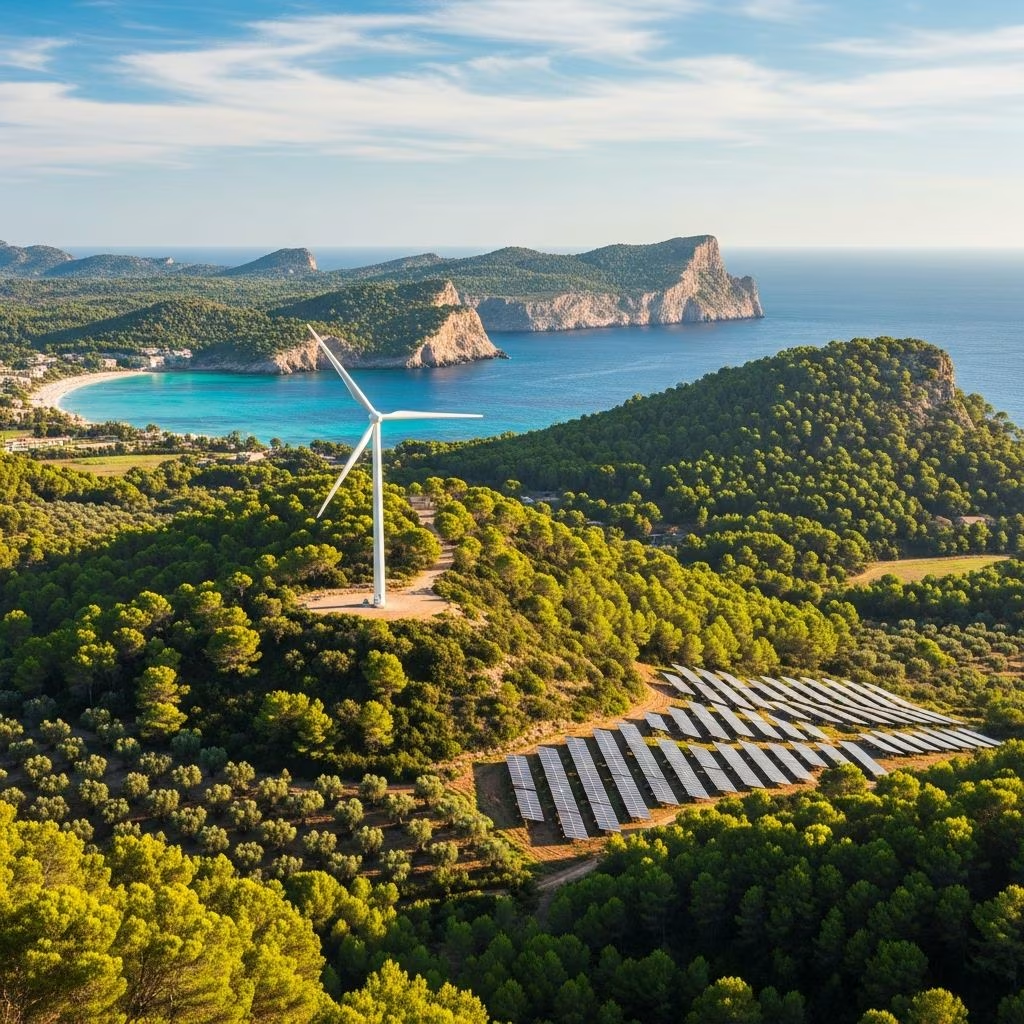
Mallorca transforms tourism through bans on party boats, eco-pledges, and sustainable activities like cycling and agri-tourism, ensuring nature and culture thrive amid visitor influx.
 Travel Essentials
Mallorca, the largest of Spain’s Balearic Islands, is redefining its tourism model to combat overtourism while preserving its stunning natural beauty and cultural heritage. By 2026, the island has implemented transformative policies, including bans on disruptive activities and a visitor pledge system, fostering a model of responsible travel that benefits both locals and guests.
At the forefront of Mallorca’s sustainability drive are targeted regulations aimed at curbing mass tourism’s negative impacts. Palma de Mallorca, the island’s capital, leads with policies halting new youth hostels and tourist apartment constructions to prioritize quality over quantity in visitor accommodations. This shift promotes family-oriented, low-impact stays that align with long-term environmental goals.
Party boat bans represent another pivotal measure, protecting coastal ecosystems from noise pollution, waste, and wildlife disturbance. These vessels, once symbols of unchecked revelry, are now prohibited to safeguard marine life and serene coves, encouraging quieter, more respectful sea explorations.
Embracing a circular economy, waste management has been revolutionized island-wide. Initiatives recycle tourism-generated refuse into resources, reducing landfill use and promoting resource efficiency—a model that could inspire other Mediterranean hotspots.
| Policy | Impact | Timeline |
|---|---|---|
| No new youth hostels/apartments | Reduces housing strain, favors quality tourism | By 2026 |
| Party boat ban | Protects coasts and marine habitats | Immediate rollout |
| Circular waste economy | Minimizes environmental footprint | Ongoing |
Central to this transformation is the “Mallorca Pledge,” a voluntary yet influential compact launched in 2025. Visitors are invited to sign it upon arrival, pledging to act as temporary residents: conserving water and energy, patronizing local businesses, and honoring natural and cultural sites. Backed by the UN Tourism-supported Sustainable Destination Summit, this initiative unites residents, businesses, and tourists in a shared vision.
The pledge’s success stems from extensive consultations, ensuring buy-in from all stakeholders. By 2026, it has evolved into a cornerstone of the visitor experience, with hotels and airports prominently featuring pledge stations. Signatories receive digital badges and access to exclusive eco-events, incentivizing participation.
Mallorca’s diverse landscapes—from rugged Serra de Tramuntana mountains to wetland reserves—offer ample opportunities for low-impact adventures. Hiking trails wind through UNESCO-listed terrains, allowing immersive experiences without vehicular emissions.
Cycling has surged as the island’s top sustainable pursuit, earning it the title of world’s premier cycle tourism destination. With postcard-perfect routes, reliable weather, and bike-friendly infrastructure, pedaling lets explorers cover villages, vineyards, and coasts at their rhythm, slashing carbon footprints.
S’Albufera Natural Park, the Balearics’ largest wetland, beckons birdwatchers. Home to migratory and endemic species, guided eco-tours here educate on conservation while minimizing disturbance.
The Mediterranean’s allure persists through eco-conscious options like solar-powered or sailboat trips to hidden coves. Snorkeling with reef-safe guidelines and no-trace policies preserves posidonia seagrass meadows, vital carbon sinks.
Beach cleanups engage visitors directly, turning leisure into action. Community-led events across shores foster connection and tangible impact, often paired with local meals to blend volunteering with culture.
Mallorca’s farm-to-table ethos shines in zero-kilometer dining, where island-grown produce defines menus. Organic wineries and olive estates host tastings, revealing sustainable viticulture amid scenic fincas.
Agrotourism fincas double as educational hubs, offering workshops on regenerative farming. Visitors harvest crops, learn composting, and taste fresh oils, supporting rural economies strained by urbanization.
Local awareness bolsters these efforts; residents champion conservation, creating a receptive environment for green initiatives. A 2019 GlobalData survey noted 80% of travelers seek harm-free nature trips, a trend Mallorca amplifies with specialized operators.
Eco-hotels exemplify commitment. Properties like those in Tramuntana employ solar energy, on-site farming, and rigorous recycling. Rural retreats plant trees for reforestation and source meals from estates, blending luxury with ecology.
These stays prioritize low-density designs, preserving views and tranquility. Public transport investments, including expanded rail, further reduce car dependency, aiming for carbon neutrality.
Despite progress, hurdles remain: affordable housing for locals amid tourism boom and accelerating energy transitions. Yet, synergies between luxury hospitality, gourmet scenes, and strict regulations position Mallorca as a regenerative leader.
By prioritizing quality tourism, the island ensures enduring appeal. Eco-demand rises globally, and Mallorca’s framework—pledges, policies, activities—meets it head-on, promising a resilient paradise.
A visitor commitment to sustainable behaviors like resource conservation and cultural respect, launched in 2025.
Yes, to protect coastal areas from environmental harm, effective by 2026.
Hiking Serra de Tramuntana, S’Albufera birdwatching, and farm visits suit all ages.
Use dedicated paths; rent from island hubs for safe, scenic tours.
Expanded rail, buses, and ferries support low-emission travel.
