

 Travel Essentials
 Travel Essentials

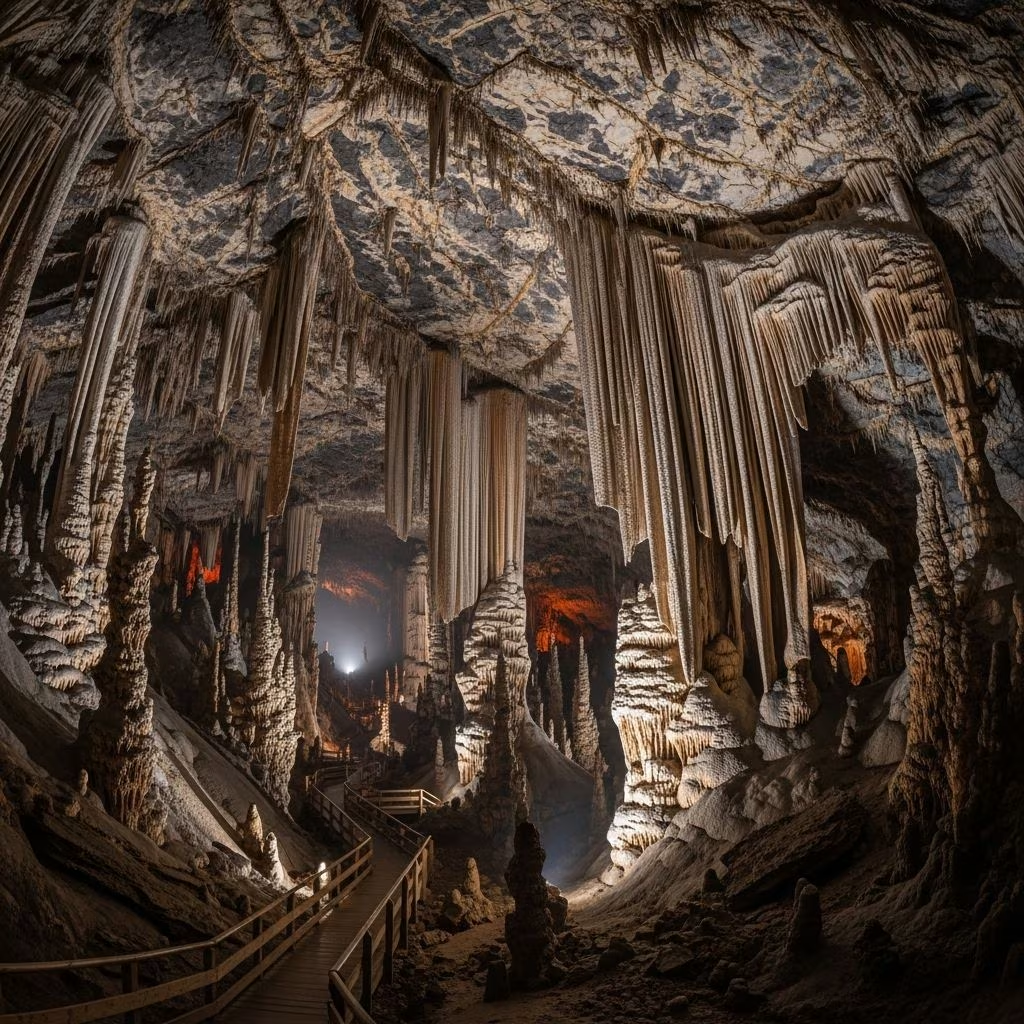
Explore Mammoth Cave National Park, home to 426 miles of mapped passages and thousands of years of human history in central Kentucky.
 Travel Essentials
Nestled in the rolling hills of central Kentucky, approximately 30 miles northeast of Bowling Green, sits one of Earth’s most extraordinary natural wonders. Mammoth Cave National Park encompasses 52,830 acres of pristine wilderness and underground passages that have captivated explorers, scientists, and tourists for centuries. This subterranean realm represents far more than just a geological curiosity—it is a living archive of natural processes, human discovery, and environmental stewardship that continues to evolve with each passing year.
What makes Mammoth Cave truly exceptional is its sheer magnitude. The cave system currently spans 426 miles of mapped and explored passages, making it the world’s longest known cave network. However, this impressive figure only represents what explorers have discovered so far. Each year, the Cave Research Foundation (CRF), an official park partner since the late 1950s, continues to uncover new passages and expand the known boundaries of this subterranean wonder.
The formation of Mammoth Cave resulted from geological processes that have unfolded over millions of years. Rather than being created by dramatic geological upheaval, the cave was primarily formed by a powerful underground river that steadily carved through limestone bedrock. This patient process of erosion continues today, with flowing waters continually shaping and enlarging the cave’s passages, ensuring that Mammoth Cave remains a dynamic and evolving system rather than a static monument to ancient forces.
The history of human interaction with Mammoth Cave stretches back millennia. Archaeological evidence indicates that prehistoric American Indians first entered the cave approximately 5,000 years ago. These ancient explorers demonstrated remarkable courage and ingenuity, venturing deep into the darkness to navigate and map over 19 miles of passages within what is now protected park land. Their presence left traces that modern archaeologists continue to study, offering glimpses into the lives and motivations of people who recognized the cave’s significance long before written history began.
The symbolic importance of Mammoth Cave shifted dramatically across different historical eras. During the 18th and 19th centuries, the cave transitioned into a destination for wealthy travelers embarking on what Americans called the “Grand Tour”—a circuit of culturally significant sites that cultivated individuals were expected to visit. This tourism boom elevated Mammoth Cave’s status within American consciousness and established it as a necessary destination for anyone claiming cultural sophistication.
The park’s official establishment as a national park in 1941 represented a pivotal transformation. This designation emerged partly from popular demand generated by decades of tourism but also from growing recognition of the cave’s scientific and environmental value. The park’s creation positioned Mammoth Cave among the first national parks established in the eastern United States, reflecting the evolving American commitment to preserving natural heritage.
In the late twentieth century, Mammoth Cave’s significance expanded to the international stage. UNESCO recognized the site as both a World Heritage Site and an International Biosphere Reserve, placing it among the world’s most ecologically and culturally significant locations. These designations acknowledge not only the cave’s geological importance but also its role as a living ecosystem that supports unique species and environmental processes found nowhere else on Earth.
Understanding the basic logistics before planning a trip ensures a smoother, more enjoyable experience:
The National Park Service offers multiple guided tour options designed to accommodate different interests, physical abilities, and time constraints. Visitors can choose from shorter, easier routes that introduce the cave’s wonders to those tours requiring more physical endurance and specialized caving skills. Each tour reveals different aspects of the cave system, from stunning geological formations to passages with significant historical importance.
The variety in tour options ensures that everyone from young children to senior visitors can find an experience suited to their capabilities. Short interpretive walks introduce visitors to basic cave geology and formation processes, while more adventurous tours venture into less-developed passages where visitors encounter the raw, unmodified cave environment.
The park’s appeal extends well beyond the cave passages themselves. The surrounding landscape features lush forests and the Green River Valley, which together create a diverse ecosystem worthy of exploration. These surface areas provide opportunities for hiking, bird watching, and enjoying the natural beauty of south-central Kentucky’s landscape.
The Green River running through the park offers paddling opportunities for those interested in water-based recreation. The river journey provides a different perspective on the landscape and connects visitors to the same waterway that shaped the cave system over geological time.
Throughout its history, Mammoth Cave has drawn people from diverse backgrounds and walks of life, each contributing to the richness of the place. This continuous stream of visitors—from ancient indigenous peoples to contemporary explorers—has created a complex cultural narrative that reflects broader patterns in American society, environmental values, and our relationship with nature. The cave’s story is ultimately the story of humanity’s evolving understanding of and relationship to the natural world.
The work of the Cave Research Foundation ensures that Mammoth Cave remains an active site of scientific investigation and discovery rather than a completed historical record. New passages are still being found, and existing passages continue to yield information about cave ecosystems, geology, and prehistoric human activity. This ongoing exploration represents one of the most enduring and comprehensive cave research projects in the world.
Visitors planning their trip should pack appropriate footwear with good grip, as cave floors can be wet and slippery. The constant cool temperatures underground mean that a light jacket remains essential even during summer visits. Flashlights are typically provided during tours, but bringing an additional personal light source is advisable for those taking more advanced tours.
Advance reservation for cave tours is often necessary, particularly during peak visiting seasons. Checking the National Park Service website for current information ensures that visitors can secure their preferred tour times and gather the most up-to-date details about park conditions and available activities.
Modern management of Mammoth Cave reflects a commitment to balancing visitor access with environmental protection. The park carefully regulates visitor numbers in cave passages to prevent damage to delicate formations and ecosystems. This thoughtful stewardship ensures that Mammoth Cave will remain accessible to future generations while preserving the cave system’s scientific, historical, and environmental values.
Mammoth Cave National Park represents a remarkable intersection of natural wonders, human history, and scientific importance. Whether visitors seek adventure, historical understanding, geological knowledge, or simply a memorable experience in one of Earth’s most distinctive environments, Mammoth Cave delivers an encounter that lingers long after the journey through its passages concludes.
