

 Travel Essentials
 Travel Essentials

Explore Manuel Antonio's national park, beaches, activities, and tips for an unforgettable trip to this Central Pacific paradise.
 Travel Essentials
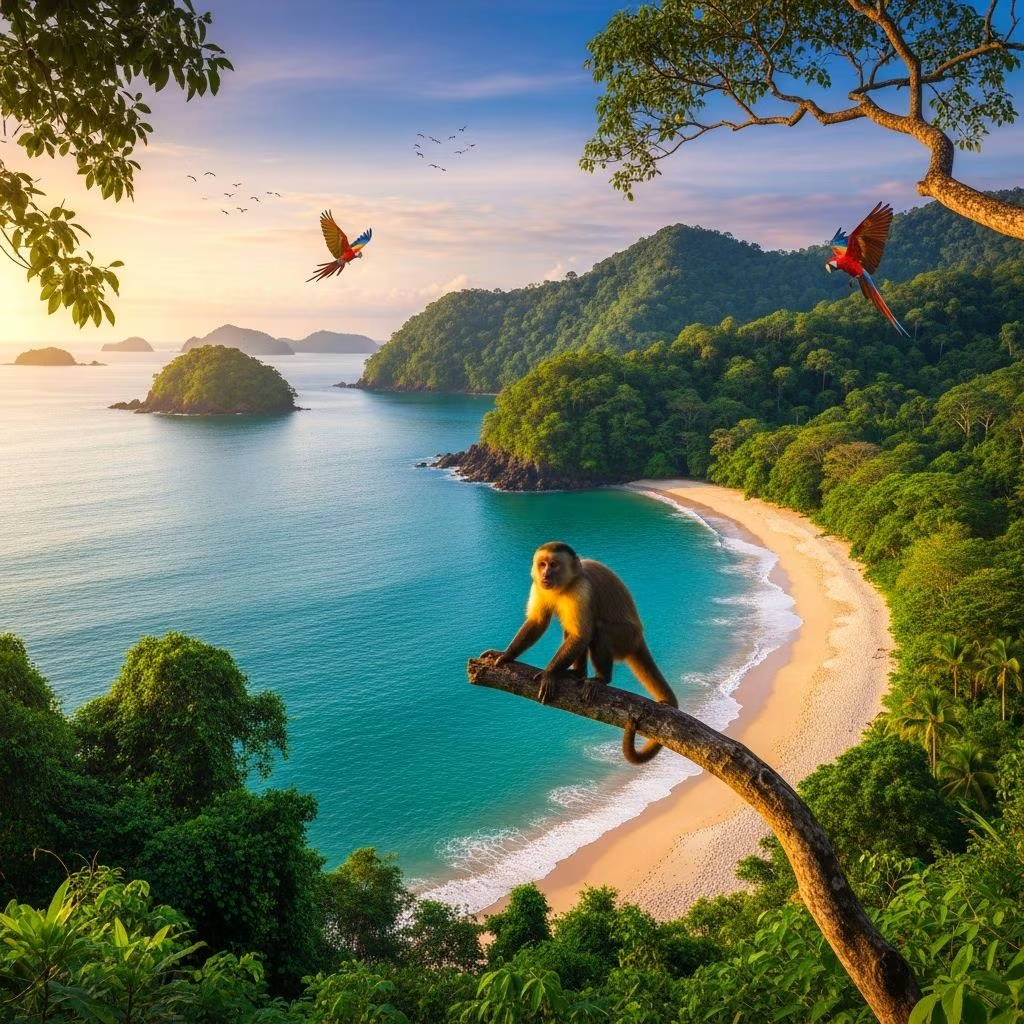
Manuel Antonio stands out as a crown jewel on Costa Rica’s Central Pacific coast, blending lush rainforests with stunning beaches. This destination captivates visitors with its vibrant wildlife, adventure opportunities, and serene coastal vibes, making it ideal for nature enthusiasts and relaxation seekers alike.
Nestled between the town of Quepos and the ocean, Manuel Antonio offers an unmatched combination of biodiversity and beach beauty. Home to one of the country’s most visited national parks, it features white-sand shores fringed by tropical forests teeming with monkeys, sloths, and exotic birds. The area’s accessibility from San Jose, coupled with luxury accommodations and diverse activities, positions it as a top pick for families, couples, and solo travelers.
Its compact size allows easy exploration, yet the region’s rich ecosystems provide endless discoveries. From dawn hikes spotting capuchin monkeys to sunset catamaran sails, every moment immerses you in pura vida—the pure life Costa Rica is famous for.
Reaching Manuel Antonio is straightforward, primarily via road from San Jose. The drive spans about 170 kilometers (105 miles) southeast along a well-paved highway, taking roughly three hours from Juan Santamaria International Airport. Renting a car offers flexibility to stop at scenic viewpoints, though shuttles and buses from Quepos provide budget-friendly alternatives.
Quepos Airport (XQP) handles domestic flights from San Jose, shortening travel time to under 30 minutes by taxi. For international arrivals, combine a flight with a transfer service. Public buses from San Jose’s Tracopa terminal run frequently, arriving in Quepos for a short ride to the park area.
The dry season from December to April delivers sunny skies and calm seas, perfect for beach days and hiking without mud. Peak crowds flock here during December-February holidays, so book ahead. Shoulder months like May or November offer fewer visitors and lush greenery, with brief showers.
Wet season (May-November) brings afternoon rains but lower prices and dramatic waterfalls. Early mornings remain clear for park visits. Avoid September-October peaks in rainfall. Park entry limits (600-700 daily) mean advance tickets are essential year-round.
| Season | Weather | Crowds | Pros | Cons |
|---|---|---|---|---|
| Dry (Dec-Apr) | Sunny, low rain | High | Beach perfect, wildlife viewing | Expensive, crowded |
| Wet (May-Nov) | Rainy afternoons | Low | Cheaper, greener | Mud trails, fewer beach hours |
The park is the heartbeat of the region, spanning rainforest, mangroves, and four pristine beaches. Entry costs $16 USD per adult (plus tax), with tickets required online in advance due to daily caps. Arrive at 7 AM opening to beat crowds and maximize wildlife sightings.
Well-marked trails like Sendero Punta Catedral offer panoramic ocean views and sloth encounters. Guides (mandatory in groups, recommended solo) spot hidden creatures using telescopes, boosting sightings of squirrel monkeys, iguanas, and toucans. Prohibited items include plastic bottles and coolers—bring reusable water and snacks.
Beaches inside, like Playa Manuel Antonio, feature calm turquoise waters for swimming. No lifeguards, so heed currents. Exit by 4 PM closing.
Playa Espadilla, the public beach nearest the park, buzzes with surfers and vendors. Rent chairs or boogie boards for $5-10. For seclusion, hike to Playa Biesanz, a series of coves with snorkeling reefs and fewer crowds—access via a short trail or boat.
Adrenaline meets nature here. Zip-line through canopy tours soaring over the jungle, spotting wildlife from above. Kayak mangroves at Isla Damas for birdwatching and bioluminescent night paddles. Night walks reveal nocturnal creatures like owls and frogs.
Catamaran cruises offer snorkeling, dolphin spotting, and sunset drinks. Surf Quepos waves or rappel waterfalls. Families love chocolate tours blending education and tastings.
Luxury resorts like those perched on cliffs boast infinity pools and spa treatments overlooking the Pacific. Boutique eco-lodges immerse you in nature with private balconies. Budget hostels in Quepos offer dorms and tours.
Stay near the park for walkable access or in Quepos for dining variety. Peak season books fast—reserve months ahead.
Savor ceviche, gallo pinto, and fresh seafood at beachfront spots. Quepos markets serve casados (rice, beans, meat) affordably. Upscale eateries pair local coffee with ocean views. Vegan options abound with tropical fruits.
Guides aren’t mandatory for solos but highly recommended—they spot 3x more wildlife and provide insights.
About 3 hours by car on paved roads.
$16 USD adult + tax; buy online ahead.
Yes, with easy trails, beaches, and activities for all ages.
May-November wet season or early mornings anytime.
Support conservation by sticking to trails, no feeding animals, and using reef-safe sunscreen. The park’s biodiversity thrives on responsible tourism.
