

 Travel Essentials
 Travel Essentials

Discover the rich world of Māori tourism in New Zealand, from cultural performances and hāngī feasts to waka adventures and marae visits in key regions like Rotorua.
 Travel Essentials
New Zealand’s tourism landscape is deeply enriched by Māori culture, offering visitors profound connections to the land’s indigenous heritage. These experiences blend ancient traditions with contemporary adventures, providing insights into the tangata whenua—the people of the land.
Māori tourism traces its origins to the 19th century, when natural wonders like the geothermal sites in Rotorua drew early visitors. Local iwi managed these attractions, with Māori women serving as knowledgeable guides, showcasing thermal pools and geysers to international audiences. Chiefs like Horonuku Te Heuheu negotiated agreements that protected sacred mountains such as Tongariro, Ngāuruhoe, and Ruapehu, laying the foundation for Tongariro National Park and sustainable tourism practices.
By the 20th century, Māori arts and performances became central to the industry. Carved buildings and kapa haka groups performed for tourists, even touring overseas. The establishment of the Māori Arts and Crafts Institute in Rotorua during the 1960s trained artisans in carving and weaving, allowing visitors to purchase authentic pieces. The toi iho trademark later ensured quality and genuineness in Māori crafts.
Into the 2000s, interest surged, with over half a million tourists engaging in Māori cultural activities in 2006 alone. While Rotorua remained the epicenter, family-run operations proliferated nationwide, including whale watching in Kaikōura and adventure tours by Ngāi Tahu Tourism.
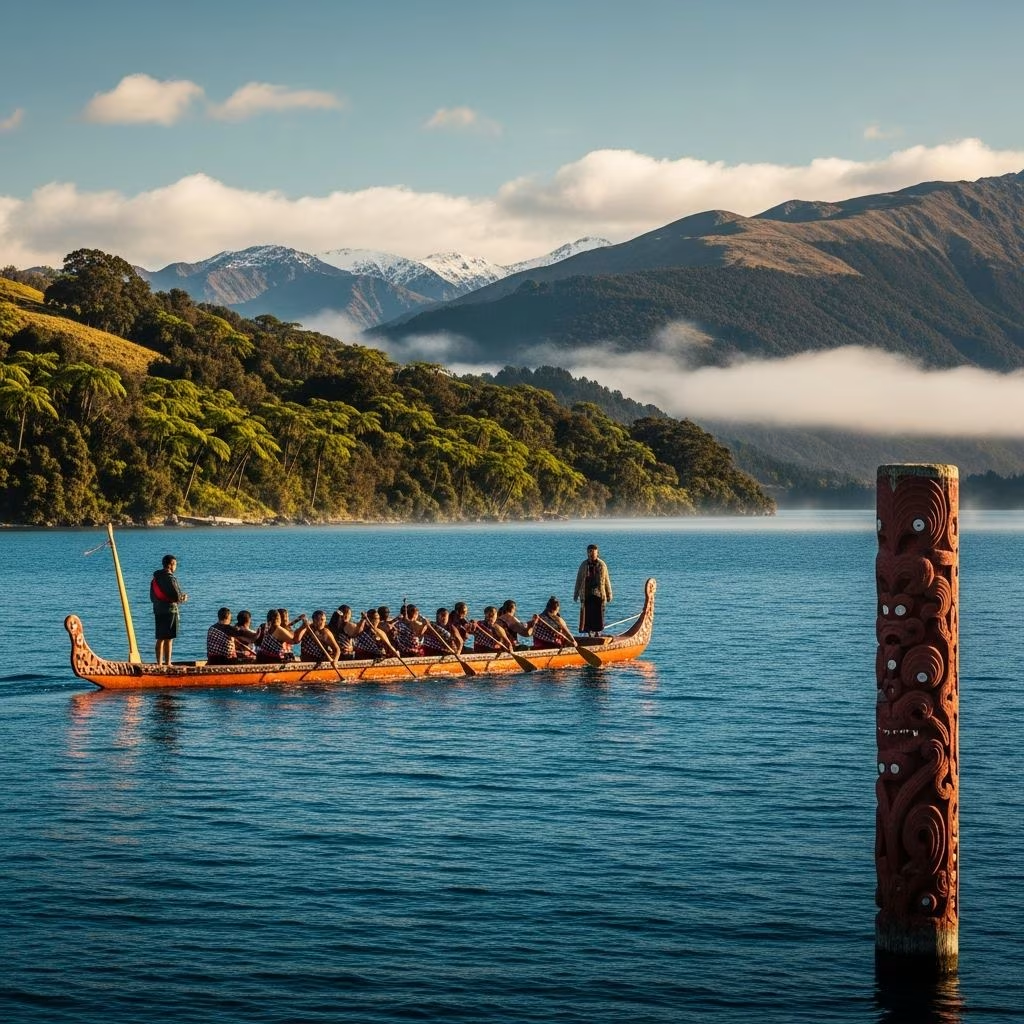
Modern Māori tourism emphasizes cultural immersion over mere observation. Key dimensions include visual spectacles, glimpses into daily lifestyles, authenticity, personal interactions, and informal education. Tourists often seek more than performances; they desire participation in traditions like preparing hāngī—meals cooked in earth ovens—and paddling waka, traditional canoes.
These elements foster appreciation, even if Māori culture isn’t the primary travel motivator.
Rotorua stands as the undisputed hub, with its geothermal activity intertwined with Māori history. Visitors explore recreated pā (fortified villages), witness pōwhiri (welcome ceremonies), and enjoy hāngī dinners followed by performances.
| Region | Key Experiences | Highlights |
|---|---|---|
| Rotorua | Cultural shows, hāngī, pā visits | Geothermal sites, Mitai Māori Village, Te Pā Tū |
| Kaikōura | Whale watching | Whale Watch Kaikōura, marine Māori lore |
| South Island | Adventure tours | Ngāi Tahu kayaking, jet boating, glacier trips |
| Auckland Area | Marae tours | Te Hana guided visits |
Beyond Rotorua, South Island iwi like Ngāi Tahu offer thrilling activities infused with cultural narratives. Kaikōura’s whale watches highlight marine connections in Māori mythology.
Marae are communal hubs featuring wharenui (meeting houses), vital to Māori society. As sacred spaces, they require invitation via pōwhiri, involving speeches, songs, and hongi (nose pressing). Uninvited entry disrespects tikanga (customs).
Many marae now welcome tourists through guided tours. In Rotorua’s Whakarewarewa, and Te Hana near Auckland, visitors receive proper protocols, learning about whakapapa (genealogy) and history in a respectful manner. These visits provide intimate cultural education.
Māori tourism extends to eco-adventures. Waka paddling on serene waters connects participants to ancestral voyages. Ngāi Tahu Tourism’s offerings include kayaking amid glaciers and jet boating with stories of taniwha (mythical guardians).
These experiences promote kaitiakitanga (guardianship), aligning tourism with environmental stewardship. Businesses emphasize sustainable practices, preserving whenua (land) for future generations.
Māori tourism bolsters local economies through family enterprises and collectives. It generates value by showcasing unique offerings in arts, retail, dining, and adventures across regions. In 2006, participation rates underscored its draw.
Culturally, it counters stereotypes, offering nuanced views of Māori life. Tourists report heightened appreciation post-experience. Challenges like climate change affect operations, especially in vulnerable areas like Te Tai Poutini, prompting adaptations by Māori-led businesses.
Climate impacts, such as changing weather in Westland/Tai Poutini National Park, test Māori-led tourism businesses (MLTBs). Stakeholders adapt through resilient strategies, maintaining cultural integrity amid environmental shifts.
Promotion of eco-cultural tourism diverts visitors from overcrowded sites, fostering sustainable growth. Official blueprints like NZ Māori Tourism ensure quality and authenticity.
A traditional earth-oven feast where food steams underground, symbolizing community and sustenance.
Yes, always arrange through official tours to honor tikanga.
Absolutely, with activities suitable for all ages, from cultural shows to gentle waka rides.
In regions like the West Coast, businesses adapt to weather variability while upholding practices.
Rotorua offers comprehensive introductions with villages, performances, and geothermal wonders.
Select based on interests: Culture seekers head to Rotorua marae and villages; adventurers pick South Island tours. All promise transformation through genuine encounters.
