


 Food & Culture
Food & Culture
Marseille’s New Restaurant Scene: Young Chefs, Local Heritage, and Fresh Ideas
Explore Marseille's vibrant new dining establishments led by innovative chefs under 30, blending tradition with modern gastronomy across the city's historic neighborhoods.
 Food & Culture
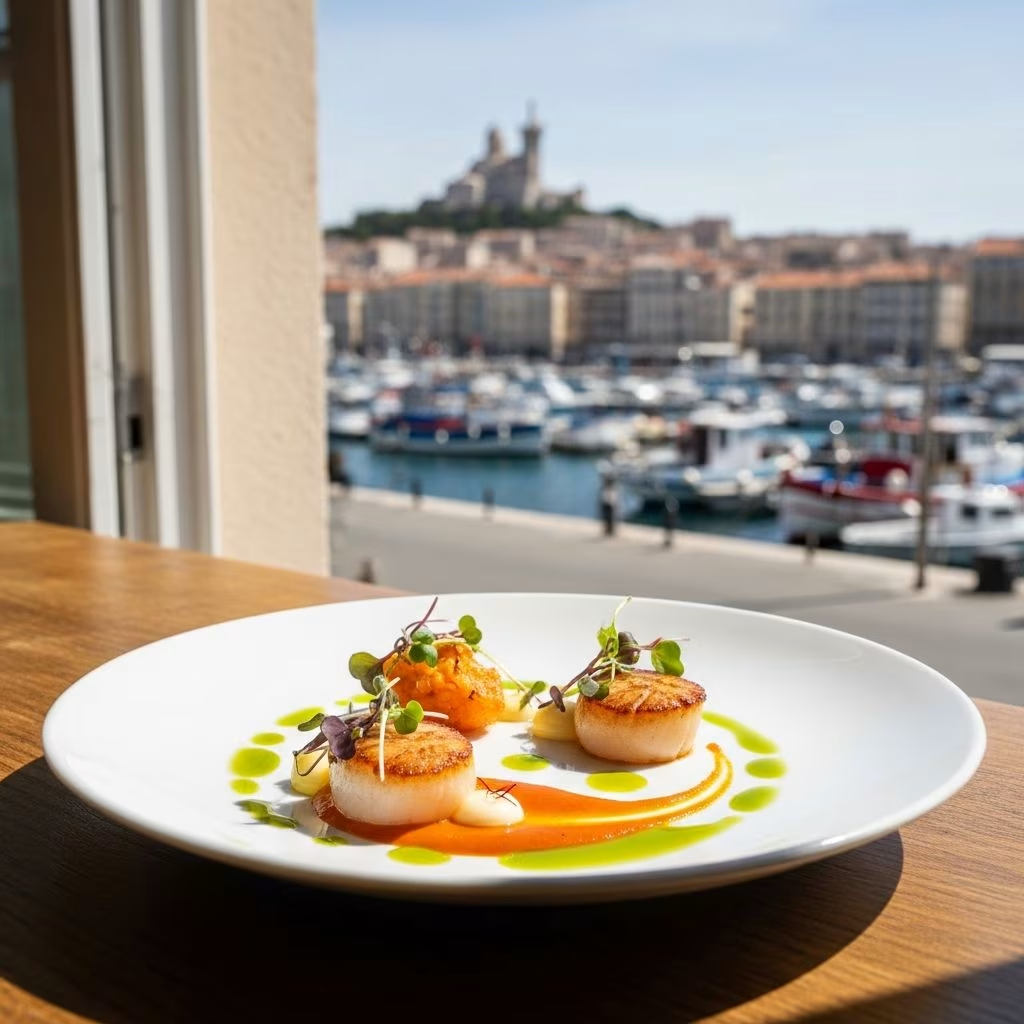
The Mediterranean port city of Marseille has undergone a remarkable gastronomic transformation in recent years. Where traditionally anchored bistros and casual eateries once dominated the dining landscape, a dynamic generation of culinary entrepreneurs—predominantly in their late twenties and early thirties—has begun reshaping how the city eats. This emerging movement represents far more than simple restaurant openings; it reflects a fundamental shift in how Marseille’s food culture balances reverence for tradition with the demands of contemporary international palates.
The Changing Face of Marseille’s Dining Culture
Marseille’s restaurant sector has historically reflected its working-class roots and maritime heritage. The traditional neighborhood bistro, or troquet, served as the backbone of local dining culture—informal spaces where workers gathered for daily specials and uncomplicated fare. This foundational model remains present throughout the city, yet it now coexists alongside an entirely different dining paradigm.
The catalyst for this transformation stems from several converging factors. Young entrepreneurs, many trained in prestigious culinary institutions or under established mentors, have begun returning to Marseille with fresh perspectives. Rather than viewing the city as limiting compared to Paris or other major European centers, they recognize untapped potential in a city hungry for innovation. Simultaneously, Marseille’s growing appeal to international travelers—particularly from Northern Europe and North America—has created demand for dining experiences that transcend the conventional.
This culinary revival attracts not only tourists seeking Instagram-worthy meals but equally important, discerning local residents who appreciate refined cooking and novel flavor combinations. The result creates a dual market that supports establishments capable of serving both constituencies without compromising authenticity.
Neighborhood Transformation and Geographic Revitalization
The distribution of new restaurants across specific neighborhoods reveals strategic patterns in Marseille’s urban development. The Panier district, perched above the Vieux Port and adjacent to the city’s oldest quarters, has emerged as a particularly vibrant epicenter. This historically working-class neighborhood has attracted restaurateurs seeking affordable premises and authentic character. Young proprietors have capitalized on this combination, establishing venues that serve both as dining destinations and community gathering spaces.
Similarly, areas like Cours Julien have experienced restaurant proliferation, creating dining districts that encourage exploration and repeat visits. This geographic concentration amplifies each establishment’s visibility while fostering a sense of culinary districts that tourists and residents naturally gravitate toward.
The strategic placement of restaurants throughout the city—from central thoroughfares to quieter residential zones—demonstrates sophisticated understanding of Marseille’s urban topology. Proprietors intentionally select locations that balance accessibility with distinctiveness, avoiding heavy tourist clustering while remaining discoverable by adventurous diners.
Culinary Philosophy and Menu Innovation
Contemporary Marseille restaurants exhibit remarkable diversity in their culinary philosophies, yet certain defining characteristics emerge across establishments. Many prioritize seasonal and local sourcing, recognizing that Mediterranean ingredients—fresh seafood, produce, and regional specialties—represent irreplaceable competitive advantages.
Menu strategies vary significantly among new venues. Some establishments embrace complete fluidity, changing menus daily based on market availability and chef inspiration. This approach demands exceptional technical skill and deep supplier relationships, yet it attracts diners seeking perpetual discovery. Others maintain more structured menus while incorporating seasonal variations and daily specials that acknowledge market realities.
A remarkable characteristic of Marseille’s contemporary dining scene involves the thoughtful integration of international influences alongside Provençal traditions. Asian culinary techniques appear alongside Mediterranean preparations, North African flavors complement French classical approaches, and contemporary plating sensibilities enhance traditional dishes. This eclecticism reflects both the city’s multicultural demographics and younger chefs’ global training experiences.
The Proprietor Generation: Age, Ambition, and Authenticity
The individuals spearheading Marseille’s restaurant revolution typically share several characteristics that distinguish them from traditional restaurateurs. Most are between 27 and 29 years old, suggesting a cohort that came of age during significant culinary evolution. Many trained outside Marseille, whether in prestigious Paris kitchens, regional establishments, or international locations, before returning with accumulated expertise and ambition.
Their geographical origins remain deliberately diverse. While some proprietors grew up in Provence or surrounding regions, others originate from across Europe—bringing fresh perspectives unburdened by entrenched local assumptions. This geographic diversity prevents insularity, encouraging constant cross-pollination of ideas and techniques.
Beyond technical culinary skills, these young entrepreneurs demonstrate business acumen and marketing sophistication. Many intuitively understand social media dynamics and contemporary consumer expectations regarding ambiance, presentation, and overall dining experiences. Rather than viewing such concerns as superficial, they recognize that modern dining encompasses theatrical and visual dimensions alongside gustatory pleasure.
Equally important, these proprietors maintain genuine respect for Marseille’s culinary heritage and working-class food traditions. Their establishments do not dismiss bistro culture or working-class dining customs; instead, they build upon these foundations, elevating techniques and presentation while preserving essential character and accessibility.
Authentic Dining Recommendations from Local Experts
Understanding Marseille’s dining landscape extends beyond guidebook listings. Local culinary professionals offer invaluable guidance regarding which establishments merit visits and which neighborhood institutions deserve continued patronage. These recommendations provide essential context for visitors seeking genuine experiences rather than tourist traps.
Established institutions continue commanding respect among serious eaters. Shanghai Kitchen, located within the historic Old Port quarter, maintains its reputation as an authentic destination for skilled Asian cuisine preparation. This persistence reflects a broader principle: innovation and tradition coexist rather than compete in contemporary Marseille.
Regional diversity within the city creates distinct dining experiences. Cours Julien offers particular appeal for lunch seekers, while Calanque Morgieu provides dramatic seaside settings perfect for evening dining. Similarly, specific neighborhoods harbor hidden establishments—humble groceries, casual bars, and unpretentious bistros—that reward patient exploration.
Distinctive Establishments Worth Seeking
- Les Rigoles — A Sephardic-Moroccan venue known for atmospheric dining and exceptional fish soup that energizes surrounding neighborhoods
- Chez Etienne — An enduring establishment that has maintained relevance through consistency and quality
- L’Ideal Grocery — Located in the Noailles district, this destination serves discerning shoppers and diners seeking authentic ingredients and prepared foods
- Bar Nautic — A calanque-side venue offering dramatic seascape views paired with quality dining
The Role of Sustainability in Contemporary Marseille Dining
Beyond menu innovation and aesthetic sophistication, contemporary Marseille restaurants increasingly prioritize environmental responsibility. France’s first solar-powered restaurant, Le Présage, symbolizes this emerging consciousness regarding dining’s ecological footprint. Inaugurated in June and attracting over 400 attendees including municipal leadership and national gastronomy ambassadors, this establishment demonstrates that sustainability need not compromise culinary excellence or economic viability.
This environmental orientation reflects broader generational values. Young restaurateurs recognize that sustainable practices—renewable energy, waste reduction, local sourcing—align with contemporary consumer expectations and genuine business ethics. Rather than viewing environmental responsibility as burdensome regulation, forward-thinking establishments integrate sustainability into their core operational philosophies.
The Intimate Neighborhood Bistro Reimagined
A particularly distinctive trend involves the reimagining of traditional neighborhood bistros through contemporary sensibilities. Establishments operated by young proprietors maintain the essential character of working-class dining venues—casual atmosphere, approachable pricing, neighborhood integration—while applying refined technique and thoughtful sourcing to menu items.
This approach proves especially appealing because it democratizes contemporary cuisine. Rather than confining refined cooking to expensive fine-dining establishments, these reimagined bistros make quality food accessible to ordinary residents. A modest neighborhood bar suddenly offers impeccably prepared dishes, seasonal ingredients, and culinary sophistication that would justify premium pricing in other contexts.
Such establishments frequently occupy humble locations—busy thoroughfares without tourist prestige, residential neighborhoods removed from obvious commercial corridors. This placement reinforces their essential character: they serve neighborhood residents first, accepting tourist patronage as secondary benefit rather than primary business driver.
Dining Scene Dynamics and Social Media Influence
Contemporary Marseille’s restaurant success cannot be divorced from social media dynamics. Young proprietors intuitively understand Instagram aesthetics, memorable meal presentation, and shareable experiences. Thoughtfully plated dishes, carefully curated ambiance, and distinctive design elements encourage diners to document and share their experiences.
This recognition of visual culture’s importance does not necessarily cheapen establishments. Rather, sophisticated restaurateurs recognize that visual appeal and culinary quality represent complementary rather than contradictory goals. A beautifully presented dish often indicates careful technique and quality ingredients; conversely, haphazardly plated excellent food wastes its potential impact.
Social media serves as informal marketing mechanism, with satisfied diners organically extending establishment visibility far beyond traditional advertising’s reach. Young Europeans and North Americans who photograph meals and share experiences create authentic word-of-mouth amplification that benefits establishments genuinely worthy of attention.
Seasonal Considerations and Menu Evolution
Marseille’s Mediterranean climate enables year-round ingredient availability, yet distinct seasonal rhythms continue shaping menu development. Spring and summer bring abundance of fresh seafood, vibrant produce, and light preparations suited to warm weather dining. Autumn and winter shift menus toward more substantial preparations, game, and preserved ingredients while maintaining freshness through careful sourcing.
Intelligent establishments recognize that seasonal eating connects diners to environmental rhythms and agricultural realities. Rather than viewing seasonal menu limitations as restrictions, contemporary chefs embrace them as creative constraints that encourage innovation and appreciation for ingredient quality.
Frequently Asked Questions About Marseille’s Dining Scene
What distinguishes new Marseille restaurants from traditional bistros?
Contemporary establishments prioritize ingredient quality, technique refinement, and thoughtful presentation while maintaining the accessibility and neighborhood integration that define traditional bistros. Innovation extends to menu development, ambiance curation, and operational philosophy rather than rejecting bistro traditions entirely.
Are contemporary restaurants accessible to budget-conscious diners?
Yes. Many new establishments maintain reasonable pricing despite refined cooking. The reimagined neighborhood bistro model particularly emphasizes affordability, recognizing that quality food need not require premium pricing when proprietors control costs through efficient operations and careful sourcing.
Do young proprietors maintain connections to Marseille’s culinary heritage?
Absolutely. Rather than dismissing traditional cooking, young chefs build upon foundational techniques and flavor profiles while applying contemporary sensibilities. Respecting heritage while pursuing innovation defines the most successful contemporary establishments.
How should visitors discover authentic new restaurants?
Beyond guidebooks, seek local recommendations from residents, hospitality professionals, and culinary enthusiasts. Exploring neighborhoods like Panier and Cours Julien organically reveals establishments worth visiting. Walking neighborhoods on foot permits the discovery of hidden venues that merit investigation.
What role does sustainability play in contemporary Marseille dining?
Increasingly significant. Establishments like France’s first solar-powered restaurant demonstrate that environmental responsibility integrates with culinary excellence. Young proprietors recognize that sustainable practices align with contemporary values and represent legitimate business philosophy rather than mere marketing.
References
- The nouvelle vague of Marseille restaurants — Lonely Planet. Accessed April 2026. https://www.lonelyplanet.com/articles/new-marseilles-restaurants
- Four new openings for an outstanding summer on the Mediterranean — Monocle. Accessed April 2026. https://monocle.com/travel/four-new-restaurant-openings-mediterranean/
- Le Présage: Europe’s first solar-powered restaurant is born in Marseille — Reporter Gourmet. June 2024. https://reportergourmet.com/en/news/7315-le-presage-europe-s-first-solar-powered-restaurant-is-born-in-marseille-green-revolution
- The 27 best new restaurants to visit in Marseille — Wanderlog. Accessed April 2026. https://wanderlog.com/list/geoCategory/63557/best-new-restaurants-to-visit-in-marseille
- The Five new pillars of Marseille’s gastronomy — Sirha Food. Accessed April 2026. https://www.sirhafood.com/en/five-new-pillars-marseilles-gastronomy
On This Page
The Changing Face of Marseille's Dining Culture Neighborhood Transformation and Geographic Revitalization Culinary Philosophy and Menu Innovation The Proprietor Generation: Age, Ambition, and Authenticity Authentic Dining Recommendations from Local Experts The Role of Sustainability in Contemporary Marseille Dining The Intimate Neighborhood Bistro Reimagined Dining Scene Dynamics and Social Media Influence Seasonal Considerations and Menu Evolution Frequently Asked Questions About Marseille's Dining Scene← Previous
Canyon Spirit Luxury Train Route: Salt Lake City to Denver
Next →
New England Fall Foliage Road Trip Itinerary
Related Reading
More in Food & Culture
Food & Culture Food & Culture
 Food & Culture
Best Places to Eat in Rome: Neighborhood Dining Guide
 Food & Culture
 Food & Culture