

 Travel Essentials
 Travel Essentials

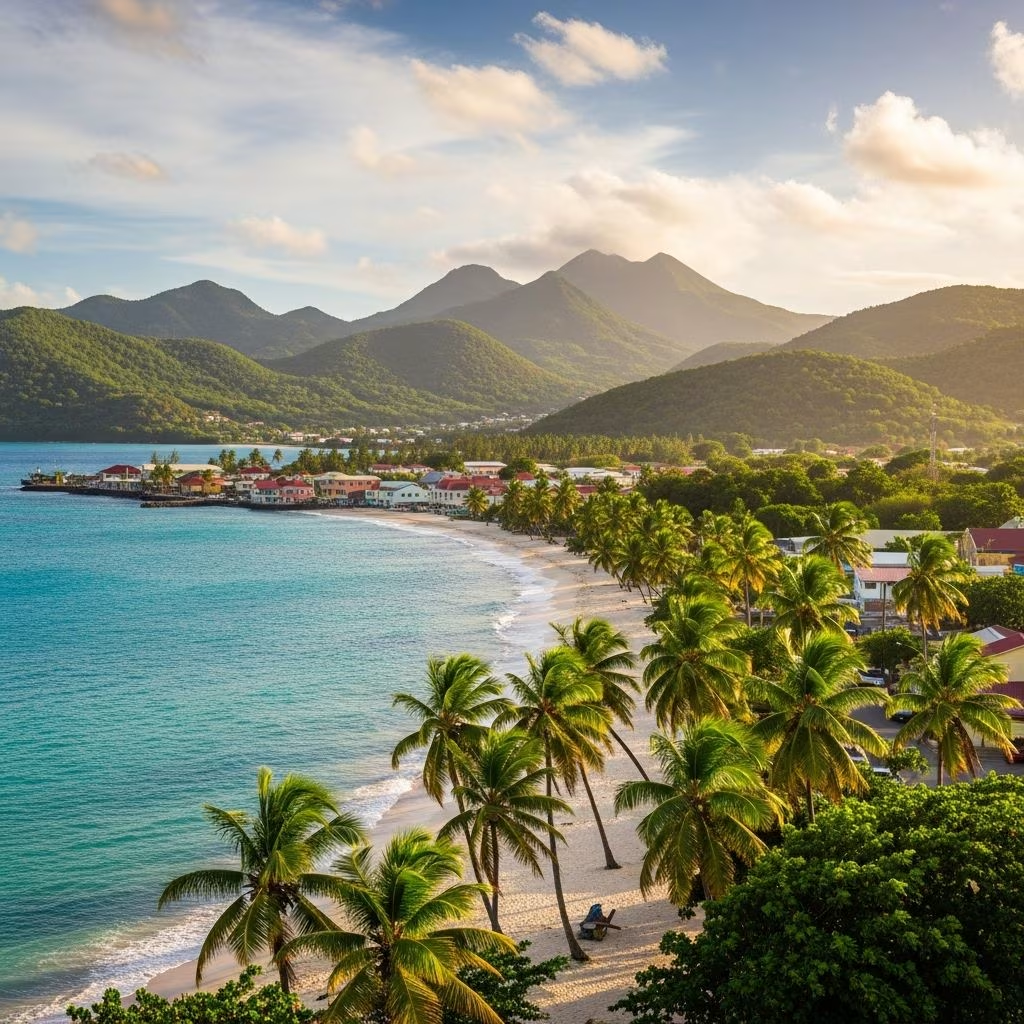
Explore Martinique's diverse landscapes from rainforests to golden sands, savor rum distilleries and markets, and uncover historical sites in this French Caribbean gem.
 Travel Essentials
Martinique, a French overseas territory in the Lesser Antilles, blends European sophistication with Caribbean vibrancy. Towering volcanic peaks like Mont Pelée dominate the northern horizon, while southern shores fringe idyllic beaches and turquoise lagoons. This 350-square-mile island offers rugged hikes through rainforests, world-class rum tastings, bustling markets alive with Creole energy, and water sports in crystalline waters. Whether seeking adventure, relaxation, or cultural immersion, Martinique delivers a multifaceted escape.
Martinique stands out for its dramatic contrasts: lush northern mountains plunge into wild Atlantic waves, while the sunny south cradles calm Caribbean bays. As part of France, visitors enjoy high safety standards, excellent infrastructure, and the euro currency, easing travel logistics. The island’s Creole heritage fuses African, French, and indigenous influences, evident in spicy cuisine, rhythmic bèlè music, and colorful festivals. Nature lovers revel in biodiverse reserves, divers explore coral reefs teeming with turtles, and foodies indulge in fresh seafood and aged rums. With direct flights from Europe and the U.S., it’s accessible yet feels undiscovered compared to larger neighbors.
Aimé Césaire International Airport (FDF) near Fort-de-France receives flights from Paris, Miami, and regional hubs. EU citizens need only ID; others require a passport valid for three months beyond stay. No visa for stays under 90 days for most nationalities.
Pack a universal adapter for 220V European outlets; some resorts offer U.S.-style plugs.
Martinique’s terrain fuels adrenaline and serenity alike. Northern rainforests hide waterfalls and endemic species; southern coastlines invite lazy swims.
The active Mont Pelée, last erupting in 1902, draws trekkers with routes like the moderate 2-hour Grande Savane path offering ridgeline views over Saint-Pierre’s ruins. L’Aileron trail challenges with 4-hour ascents amid misty craters. In Grand’Rivière, coastal paths lead to hidden coves; sturdy boots combat slippery humidity. Caravelle Peninsula’s loops showcase mangroves, cliffs, and sea turtle nesting grounds.
| Beach | Location | Highlights |
|---|---|---|
| Anse des Salines | South (Sainte-Anne) | Powdery white sand, palms, no facilities—pure paradise. |
| Anse Noire | Anses-d’Arlet | Black volcanic sand, snorkeling reefs nearby. |
| Anse Dufour | Anses-d’Arlet | Golden sands, sea turtles, fishing boats. |
| Plage du Diamant | Diamant | Views of Rocher du Diamant rock formation. |
These free public beaches vary from wild (Les Salines) to family-friendly with amenities.
Dive sites around Rocher du Diamant host barracuda and rays. Snorkel in protected bays; kayak through mangroves. Surfing thrives on Atlantic-facing northern breaks, while kitesurfing rules southern winds.
Martinique’s past—from Carib inhabitants to French colony to abolition hub—echoes in preserved forts and plantations.
Stroll the vibrant Grand Marché for spices, fruits, and sorbet. Admire Schoelcher Library’s ornate ironwork and Byzantine domes. Fort Saint-Louis offers panoramic views and naval history tours (photo restrictions apply). Nearby, Balata Botanical Garden’s elevated paths weave through orchids and heliconias overlooking Pitons du Carbet.
Saint-Pierre’s volcanic ruins and museum recount the 1902 disaster that claimed 30,000 lives. Château Dubuc on Caravelle Peninsula reveals planter aristocracy via restored manor and slave quarters.
Les Trois-Îlets evokes Provence with beachside bistros amid white sands. Clément Rhumerie combines distillery tours, rum tastings, and gardens in a 19th-century habitation. Anses-d’Arlet’s pier links coral shores to St-Henri Church, embodying Creole quaintness.
Creole gastronomy stars fresh catch in colombo curry, boudin sausage, and plantain accompaniments. Markets brim with christophine squash and manioc. Signature ti’ punch—white rhum agricole, lime, cane syrup—pairs beach sunsets. Distilleries like Clément showcase AOC-protected rums, aged in oak for caramel notes. Dine at beach shacks or Fort-de-France’s refined tables; lambi (conch) and accras (fritters) are must-tries.
Dry season (December-April) brings sun and festivals like Carnival. Hurricane season (June-November) offers deals but risks rain. Shoulder months balance weather and crowds.
| Category | Daily Estimate (€, per person) |
|---|---|
| Accommodation | 80-200 (mid-range hotel/bnb) |
| Meals | 40-70 |
| Car Rental + Gas | 40-60 |
| Activities | 20-50 |
Total: €200-400/day for couples. All beaches free; entry fees low for sites (€5-10).
Yes, low crime rates; stick to tourist areas, secure valuables.
Hepatitis A/B recommended; no yellow fever unless from endemic areas.
Yes, potable island-wide.
French primary; English widely understood in tourism.
7-10 for beaches, hikes, culture.
This itinerary mixes adventure, history, and downtime, customizable by pace.
