

 Travel Essentials
 Travel Essentials

Explore Martinique: from Fort-de-France's markets to Mont Pelée hikes, pristine beaches, rum distilleries, and practical travel tips for an unforgettable Caribbean escape.
 Travel Essentials
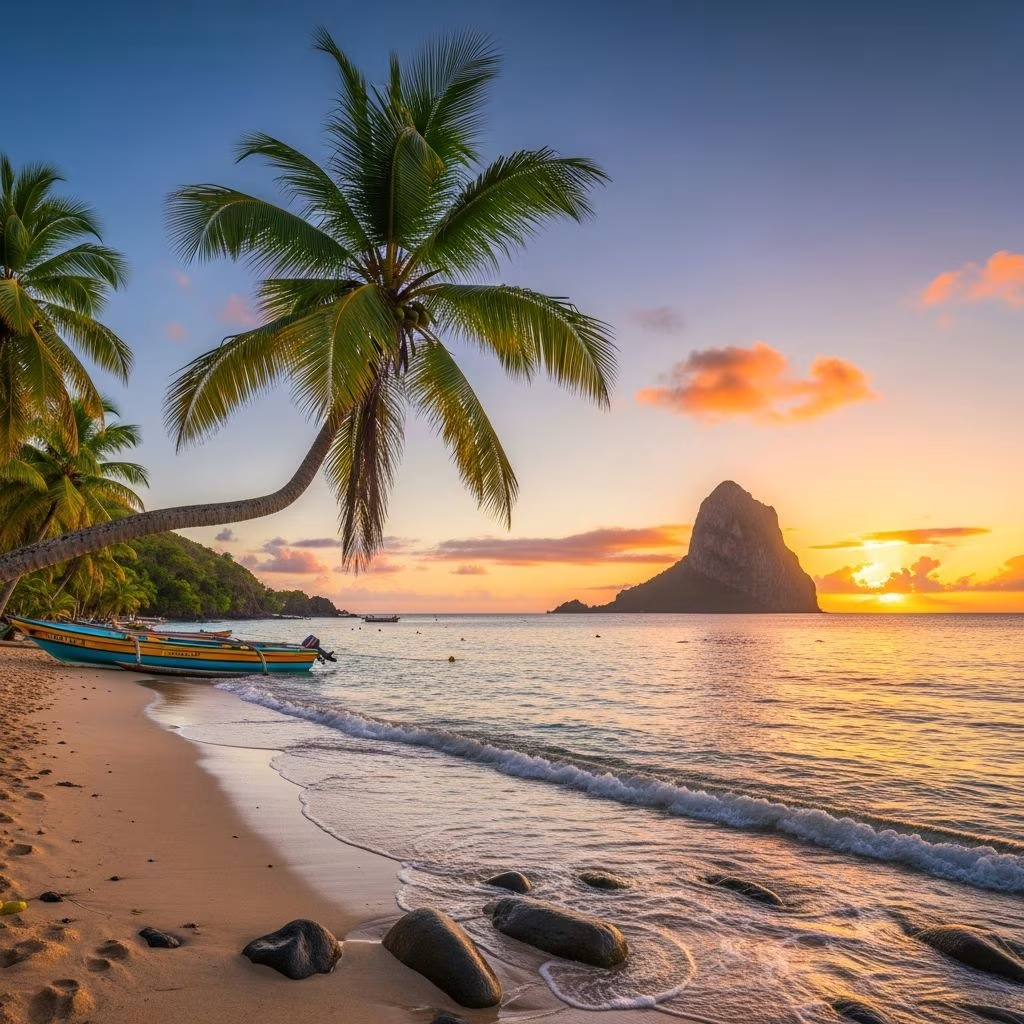
Martinique, a gem in the Lesser Antilles, blends French elegance with vibrant Caribbean spirit. This volcanic island boasts rugged peaks, lush rainforests, golden and black-sand beaches, and a rich Creole heritage that captivates every visitor.
Enveloped by the Caribbean Sea, Martinique offers diverse landscapes across its 350 kilometers of coastline, from dramatic cliffs and turquoise lagoons to mangrove forests teeming with wildlife. The island’s French overseas department status infuses it with sophisticated amenities alongside authentic West Indian flavors, making it ideal for relaxation, adventure, and cultural immersion.
Visitors rave about the harmonious mix of natural beauty and human ingenuity. Towering Mont Pelée, an active volcano, symbolizes the island’s dynamic geology, while colonial ruins and botanical gardens whisper tales of its past. Whether you’re lounging on idyllic shores or trekking through verdant trails, Martinique delivers unforgettable experiences.
Direct flights connect Martinique’s Aimé Césaire International Airport (FDF) to major hubs in Europe, North America, and the Caribbean. From Paris, nonstop flights take about 8 hours; U.S. travelers often route through Miami or San Juan.
Renting a car is the premier way to explore, given the island’s well-maintained yet winding roads that hug volcanic terrain. Agencies abound near Fort-de-France, the capital. Public buses serve main routes affordably, but schedules are loose—opt for taxis or rideshares for flexibility. Avoid motorcycles due to steep inclines and traffic.
| Transport Option | Pros | Cons | Best For |
|---|---|---|---|
| Car Rental | Freedom, scenic drives | Left-hand driving, narrow roads | Groups, explorers |
| Buses | Cheap, local vibe | Unreliable timing | Budget solo travelers |
| Taxis/Rideshares | Convenient, no hassle | Costly for long trips | Short stays, nights out |
Martinique’s regions offer distinct charms. The south dazzles with calm beaches and resorts, the north thrills with wild nature, and the capital pulses with life.
The bustling capital welcomes with colonial architecture, lively markets, and waterfront promenades. Wander La Savane park, admire the Schoelcher Library’s ornate ironwork, and browse the Grand Marché for spices, fruits, and crafts. Fort Saint-Louis provides panoramic harbor views and a glimpse into 17th-century fortifications—still an active naval site.
In the north, Mont Pelée looms large, its 1902 eruption infamous for devastating Saint-Pierre. Hike trails like L’Aileron (4 hours round-trip) for ridge-top vistas or the easier Grande Savane path. Saint-Pierre’s ruins and volcanological museum recount this history vividly. Grand’Rivière offers authentic fishing village vibes and rainforest access.
The south shines with Les Anses d’Arlet, where a photogenic pier links a historic church to snorkeling bays—spot turtles at Anse Dufour’s golden sands or dive black-sand Anse Noire. Sainte-Anne’s Les Salines beach, a vast white expanse backed by palms, epitomizes paradise. Les Trois-Îlets charms with upscale dining evoking French Riviera flair amid turquoise coves.
The Caravelle Nature Reserve features hiking loops past Château Dubuc ruins, mangroves, and Atlantic cliffs. Balata Garden dazzles with 3,000 tropical plants and elevated walkways overlooking the canopy. The Diamond Rock, an offshore monolith, inspires legends and kayaking adventures.
Creole cuisine fuses African, French, and Indian influences: think accras (saltfish fritters), boudin (spicy sausage), and colombo curry stews. Fresh seafood—lobster, mahi-mahi—graces plates alongside tropical fruits and potent ti’ punches (rum, lime, cane syrup). Dine beachside or in Fort-de-France’s eateries; don’t miss pain patate (sweet potato tart) for dessert.
Rum reigns supreme—sample agricole styles unique to Martinique, protected by AOC status. Pair with local chocolate or coffee from highland plantations.
Choose from luxury resorts in Les Trois-Îlets, eco-lodges in the north, or guesthouses in fishing villages. Beachfront bungalows offer privacy; urban hotels provide pools and spas. Camping dots nature reserves for budget adventurers.
Pack light layers—tropical heat averages 80°F (27°C), but rains hit December-May. Use 220V European plugs (universal adapter handy). Euros are currency; cards widely accepted. English is limited outside tourist spots—brush up on French. No visa for EU/U.S./Canadian visitors up to 90 days.
Drive cautiously on curves; hydrate on hikes. Beaches are public and free. Respect nature: use reef-safe sunscreen.
7-10 days allow beach time, hikes, culture, and relaxation—a week mixes essentials perfectly.
Yes, low crime rates prevail; stick to populated areas at night and secure valuables.
Dry season (December-April) offers sun; shoulder months (May, November) balance weather and crowds.
Yes, it’s potable island-wide.
ATMs abound; French dominates, but tourism staff often speak English.
