

 Travel Essentials
 Travel Essentials

Explore top whale watching tours in Maui, peak season details, expert tips, and why the island is Hawaii's premier destination for humpback sightings.
 Travel Essentials
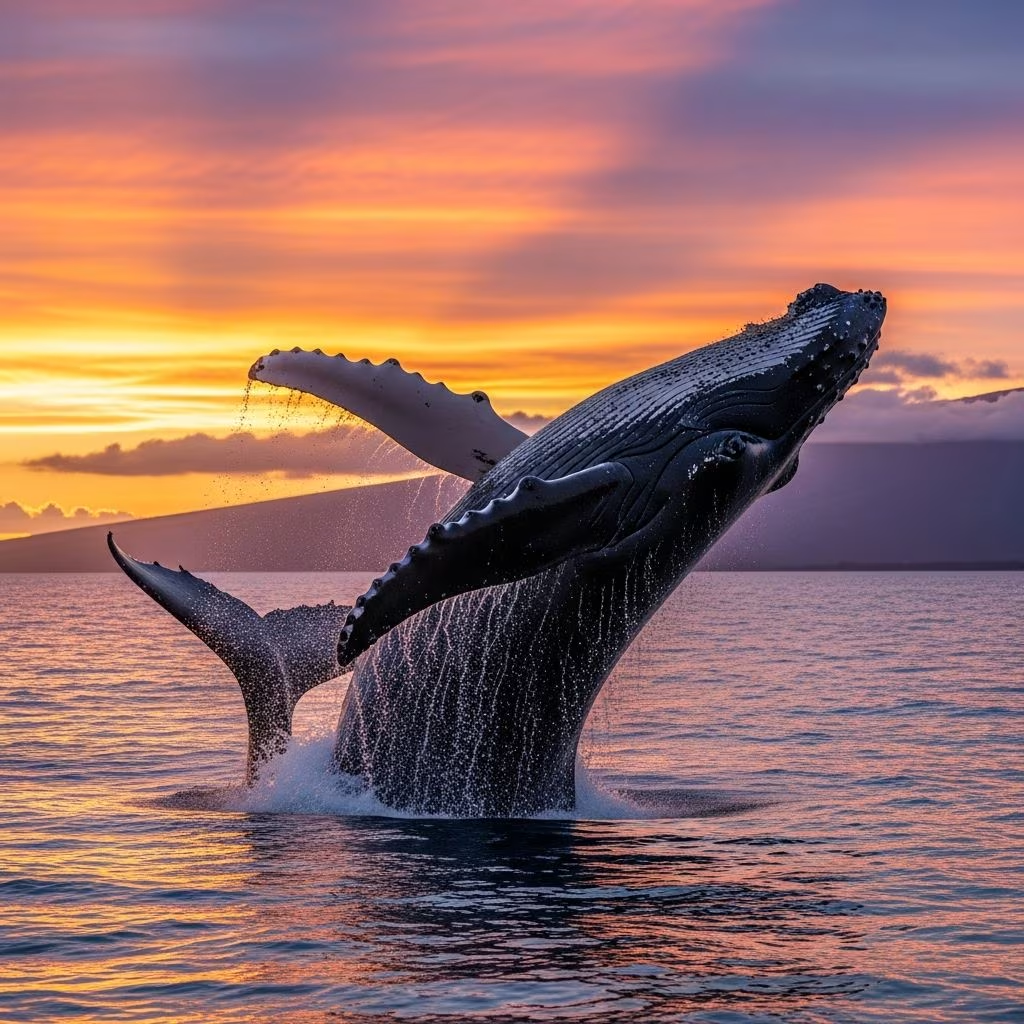
Maui stands out as Hawaii’s premier destination for whale watching, thanks to its unique underwater geography and abundant humpback populations during winter months. Each year, thousands of these majestic creatures migrate to the warm waters around the island, offering visitors unparalleled opportunities for close encounters.
The island’s location within the Maui Nui Basin—a shallow marine area encompassing Maui, Lanai, and Kaho’olawe—creates ideal conditions for humpbacks. This protected zone features depths under 600 feet, preventing deep dives and keeping whales near the surface for easier observation. Humpback whales travel from Alaskan feeding grounds to Maui’s balmy waters to mate, calve, and nurse their young, making it one of the world’s most concentrated breeding grounds.
From boat decks, spectators witness breaches, fluke slaps, and pectoral fin waves. Lahaina, Ma’alaea, and Wailea serve as primary departure points due to calm seas and proximity to whale hotspots.
Humpback whale season in Maui spans from early December to late April, with peak activity from January through March. Arrivals begin around December 1, when the first pods appear, and numbers swell to over 10,000 individuals by mid-winter.
Tours guarantee sightings during this window, often with refunds if none occur. Weather plays a role; mornings typically offer smoother seas and clearer views.
Maui boasts diverse operators, from high-speed rafts to spacious catamarans, catering to families, adventurers, and eco-enthusiasts. Here’s a curated selection based on reliability, reviews, and unique features.
| Operator | Departure Point | Duration & Price | Highlights |
|---|---|---|---|
| Maui Snorkel Charters (No Ka Oi Raft) | South Maui | 2 hours, Sundays 7-9am; pricing via site | Fast raft for more sightings, marine biologist aboard |
| Makai Adventures | Lahaina (Mala Ramp) | 2 hours, multiple daily; Adults $75, Kids $59 | Whales guaranteed Dec 1-Apr 25, custom fast boat |
| Pacific Whale Foundation | Ma’alaea Harbor | 2 hours morning/afternoon; competitive rates | Certified naturalists, hydrophones for whale songs |
| Aloha Blue Charters | Ma’alaea | 2-3 hours; family pricing | 30-passenger catamaran, onboard naturalist |
| Captain Steve’s Early Bird | Various | Early morning; budget-friendly | Hydrophones, 20+ years experience, guarantees |
Smaller vessels like rafts reach pods quicker, ideal for action-packed trips, while larger catamarans provide stability for kids and those prone to seasickness. Eco-focused operators emphasize non-invasive viewing to protect marine life.
Family outings benefit from stable catamarans with amenities like restrooms and shaded areas, such as those from Pacific Whale Foundation. Thrill-seekers prefer nimble rafts from Maui Snorkel Charters for rapid pod chasing. Budget travelers should compare early bird specials from veterans like Captain Steve’s.
Verify inclusions: hydrophones let you hear haunting whale songs, naturalists share research-backed insights, and guarantees ensure value. Book directly for best rates and availability, especially during peaks.
Use apps for forecasts; calmer days yield better sightings.
Layer clothing for variable conditions, and stay hydrated. Photographers: use fast shutters for breaches (1/1000s+), and respect no-flash policies.
Not keen on boats? Scenic lookouts offer free glimpses. McGregor Point in Lahaina, Papawai Point near Ka’anapali, and Olowalu landings provide elevated vantage points where whales surface visibly. Binoculars enhance distant views, though boat trips yield closer interactions.
Humpbacks display dynamic surface behaviors: breaches launch 40-ton bodies airborne, spy-hopping scouts with eyes above water, and tail throws signal communication. Mothers teach calves surfacing techniques, creating tender spectacles. Males compete in rowdy groups, slapping fins and lobtailing. Listen via hydrophones for complex songs evolving seasonally.
Maui’s shallow Au’au Channel concentrates activity, with over 60% of North Pacific humpbacks visiting annually. Conservation efforts by groups like Pacific Whale Foundation monitor populations post-commercial whaling recovery.
Many tours welcome infants with life jackets provided. Stable vessels minimize motion sickness; kids delight in calf play. Educational narration keeps young ones engaged, turning trips into marine biology lessons. Check age minimums—most allow all ages with lap policies for toddlers.
Peak season runs December to April, with January-March offering the highest concentrations.
Yes, reputable operators like Makai Adventures and Captain Steve’s provide refunds or reschedules if no whales appear.
NOAA rules enforce a 100-yard minimum; ethical tours maintain respectful distances.
Strict regulations prohibit swimming with humpbacks; focus remains on surface observation.
Operators monitor conditions and cancel/reschedule for safety; mornings are usually calmer.
Reserve 2-4 weeks ahead during peaks via operator sites for discounts. Travel insurance covers weather cancellations. Pair whale watches with snorkeling combos outside season for year-round adventures. Support eco-operators contributing to research for sustainable tourism.
Maui’s whales remind us of ocean wonders—plan your voyage for memories lasting a lifetime.
