

 Travel Essentials
 Travel Essentials

Learn Maya Bay's strict visitor rules, including no swimming, entry limits, and seasonal closures, to enjoy this iconic Thai beach while aiding conservation efforts.
 Travel Essentials
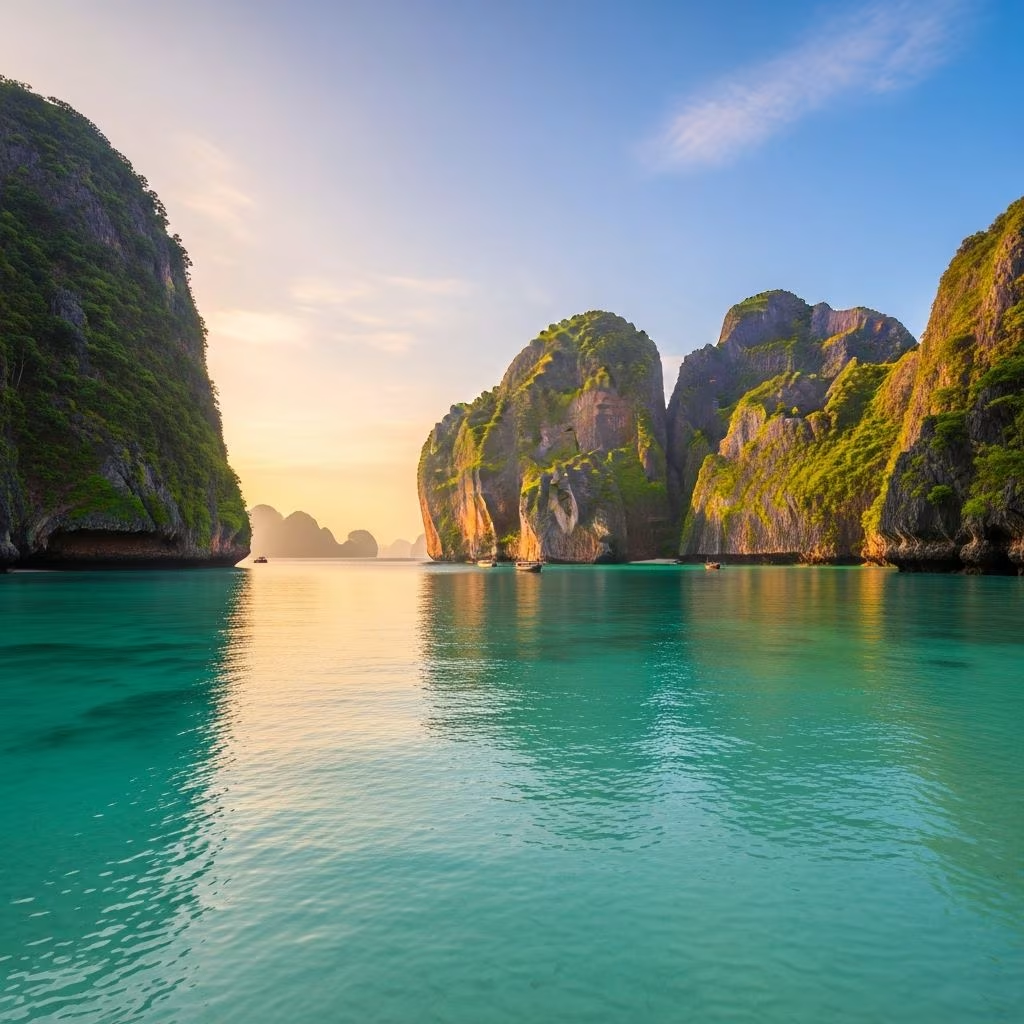
Iconic Maya Bay on Koh Phi Phi Le demands adherence to rigorous rules to safeguard its recovering ecosystems, including bans on swimming and strict visitor limits enforced by Thai national park authorities.
Maya Bay gained worldwide fame through the 2000 film The Beach, starring Leonardo DiCaprio, transforming a serene Thai inlet into a must-visit destination. Daily crowds swelled to thousands, trampling coral reefs and polluting waters with sunscreen chemicals and boat anchors. By 2018, the ecological toll was irreversible without intervention, prompting Thailand’s Department of National Parks, Wildlife and Plant Conservation (DNP) to close the site indefinitely.
Pre-closure assessments revealed bleached corals, eroded seagrass beds, and disrupted marine habitats. Scientists documented how overtourism accelerated coral bleaching, a process where rising temperatures and pollutants stress polyps, leading to ecosystem collapse. The shutdown allowed blacktip reef sharks and diverse fish species to repopulate, marking initial recovery signs by 2021.
Maya Bay reopened in January 2022 after nearly four years of closure, but only under a revolutionized access model prioritizing conservation. The Thai government, via DNP, caps visitors at 375 per hour between 10 a.m. and 4 p.m., with a one-hour maximum stay per group. Motorboats anchor at Loh Samah Bay on the island’s opposite side, followed by a boardwalk trek to minimize beach impact.
These measures stem from marine biologist recommendations emphasizing reduced human pressure. Regular monitoring by park rangers assesses coral regrowth and water quality, adjusting quotas if needed. No more than eight speedboats operate nearby simultaneously, curbing noise and propeller damage.
Park signage and rangers enforce these visibly, with on-site fines issued immediately for non-compliance. The Tourism Authority of Thailand (TAT) backs this through awareness campaigns promoting ‘Leave No Trace’ principles.
Maya Bay typically closes from August 1 to September 30 for monsoon recovery, allowing ecosystems respite from even controlled tourism. Confirm status via official DNP channels before booking, as extensions occur based on environmental data. In 2026, expect the Loh Samah entry protocol: disembark, walk the elevated path, view from shore, and exit promptly.
| Time Slot | Visitor Cap | Key Restriction | Enforcement |
|---|---|---|---|
| 10 a.m. – 4 p.m. | 375/hour | No swim, 1-hour stay | Rangers & fines |
| Aug 1 – Sep 30 | Closed | Full access ban | Official notices |
| All year | N/A | Reef-safe sunscreen | Spot checks |
Post-reopening data shows coral coverage rebounding, with replanting initiatives restoring depleted areas. Blacktip reef sharks, once scarce, now patrol shallows, signaling food chain recovery. DNP’s multifaceted strategy includes preventive bans, habitat rehabilitation, and visitor education.
Eco-tourism integrations offer guided walks highlighting biodiversity and volunteer clean-ups funding preservation. TAT partnerships with hotels and operators disseminate rules, fostering a culture where tourism sustains rather than depletes.
Book tours via licensed operators compliant with DNP quotas; speedboat day trips from Phuket or Krabi include entry fees (around 400 baht/adult). Arrive early to beat crowds, wear water shoes for rocky paths, and pack reusables to minimize waste.
These steps ensure enjoyment without penalties, contributing to long-term viability.
Maya Bay exemplifies Thailand’s shift to high-quality, low-impact tourism. Similar rules apply at other hotspots like Railay Beach, where fines deter littering and habitat intrusion. DNP’s model influences regional policies, balancing 40 million annual visitors with environmental health.
Challenges persist: enforcement strains ranger resources, and illegal tours skirt rules. Yet, public compliance has risen, with fines reinforcing accountability. Future adaptations may include tech like visitor tracking apps for real-time caps.
No, swimming is prohibited to protect corals; wade only knee-deep or face 10,000 baht fines.
November to April offers calm seas; avoid August-September closure. Aim for 10 a.m. openings.
National park fee is 400 baht/adults, 200 baht/children, included in most tours.
Explore Pileh Lagoon or Bamboo Island nearby, following similar eco-guidelines.
Overtourism caused coral destruction; closure from 2018 enabled recovery.
Maya Bay’s rules underscore that stunning destinations require collective stewardship. By respecting limits, travelers preserve biodiversity hotspots, ensuring descendants experience the same turquoise allure. DNP’s vigilant oversight, paired with visitor mindfulness, secures this paradise’s legacy.
