

 Travel Essentials
 Travel Essentials

A comprehensive travel resource covering neighborhoods, attractions, practical tips, and itineraries for visiting Medellín, Colombia's vibrant mountain city.
 Travel Essentials
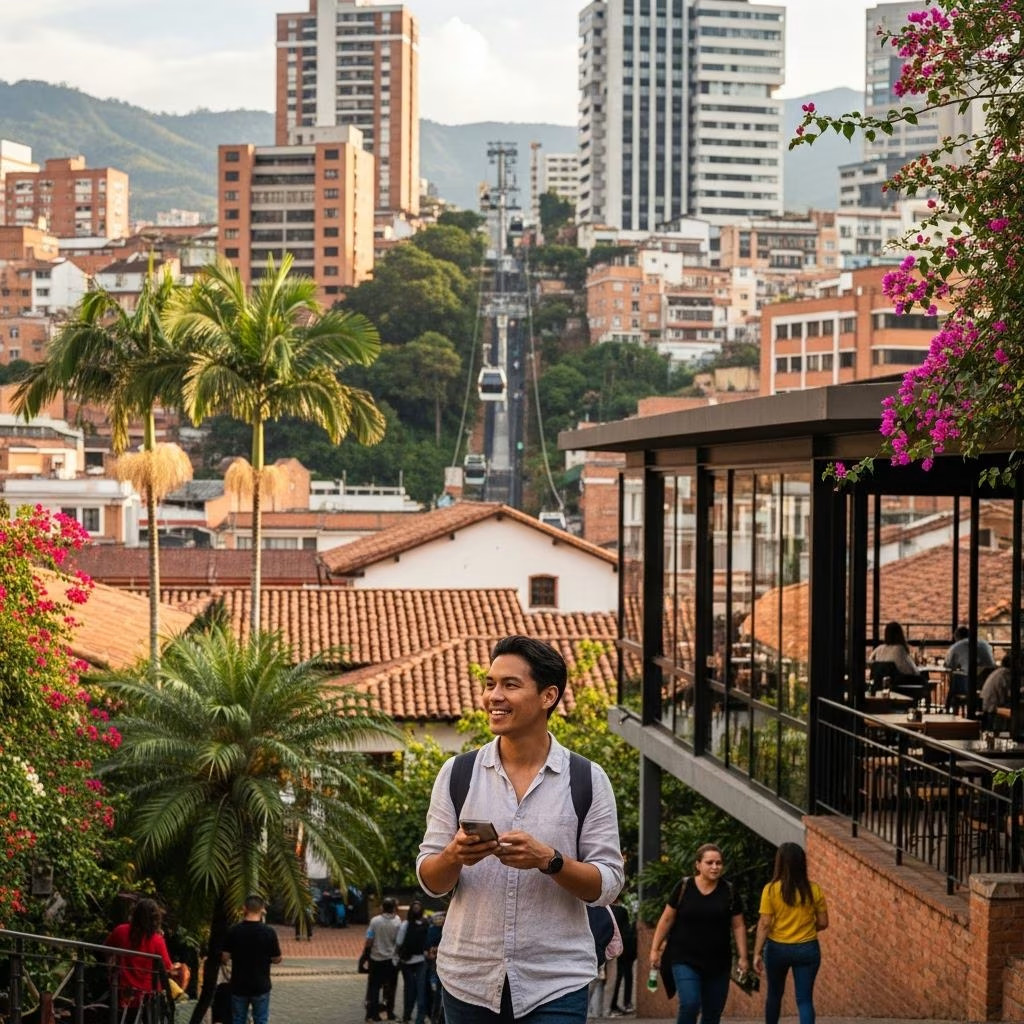
Medellín has undergone a remarkable transformation, evolving into one of South America’s most dynamic destinations for travelers seeking authentic experiences, vibrant culture, and outdoor adventure. Nestled in a valley surrounded by mountains in Colombia’s Antioquia region, this city of over two million residents combines contemporary development with rich cultural heritage. The destination earns its nickname, the “City of Eternal Spring,” thanks to its consistently pleasant climate year-round, with temperatures typically ranging between 15–22°C (59–72°F), making it an ideal location for exploration throughout the year.
Medellín serves as Colombia’s most developed and modern metropolitan area, functioning as both a cultural hub and gateway for regional exploration. The city’s elevation of approximately 1,500 meters (4,900 feet) above sea level creates the temperate conditions that make it uniquely appealing to international visitors. Beyond the urban landscape, the surrounding Antioquia region offers opportunities for coffee plantation visits, cloud forest hikes, paragliding adventures, and excursions to nearby destinations like Guatapé—all within 30 minutes to an hour from downtown.
The city comprises numerous neighborhoods, each with distinctive characteristics that cater to different traveler preferences. Understanding these districts helps visitors select appropriate bases for their stays and plan daily activities effectively.
El Poblado functions as Medellín’s primary tourist neighborhood, spreading across hillsides south of downtown. This upscale district offers the most abundant accommodation options, highest concentration of restaurants and bars, and most developed tourism infrastructure. The neighborhood divides into distinct sub-areas, each presenting unique atmospheres and attractions. Parque Lleras forms the nightlife epicenter, featuring dozens of establishments that generate vibrant Thursday through Saturday evenings. While this energy appeals to many travelers, it can also produce noise levels that require consideration when booking accommodations.
Downtown Medellín centers around important cultural landmarks and plazas that represent the city’s artistic legacy. The area contains the iconic Botero Plaza, which showcases 23 monumental sculptures by Fernando Botero, Colombia’s most internationally recognized artist. These distinctive works, characterized by Botero’s signature rounded and exaggerated forms, provide excellent photography opportunities while introducing visitors to the artistic movement that defines Colombian modern art. Adjacent to the plaza, the Museo de Antioquia houses permanent exhibitions dedicated to Botero’s paintings and broader Colombian artistic traditions.
Once considered a dangerous neighborhood, Comuna 13 has transformed into a compelling destination through community-led street art initiatives. The district’s hillsides display vibrant murals and graffiti that document the neighborhood’s history and contemporary culture. Organized tours of Comuna 13 provide context and safety while covering escalator rides, graffiti explanations, hip-hop performances, and typically include street food sampling experiences.
Day One: Urban Culture Immersion
Begin your first morning by riding the metro to Parque Berrío station to explore Botero Plaza, which offers free admission to its sculptures. Allocate 45 minutes to an hour for photography and observation before entering the Museo de Antioquia, which typically opens at 10:00 AM. Plan 1–2 hours inside for adequate exploration of Colombian artistic traditions. Take coffee breaks at nearby cafes, which represent an excellent value. In the afternoon, join an organized Comuna 13 graffiti tour departing from nearby metro stations. These tours typically run 3–4 hours and provide transportation, professional guidance, and cultural context about the neighborhood’s transformation. Return to El Poblado for dinner at neighborhood restaurants, with evening exploration of Parque Lleras optional depending on your energy levels.
Day Two: Regional Excursion
Dedicate your second day to a day trip to Guatapé, a colorful hillside town famous for its intricately decorated buildings and the Peñol rock formation. Free walking tours of Medellín offer excellent value for gaining orientation and learning about the city’s neighborhoods, most lasting approximately 2.5 hours and covering important sites including Plaza de las Luces, the Palace of Culture, and the National Palace. Many travelers combine this with afternoon exploration of natural spaces such as Parque De La Presidenta or participate in street food tours led by English-speaking local guides.
Day Three: Art, Nature, and Culinary Experience
Allocate your final day to cable car rides offering panoramic city views, visits to remaining museums or galleries, and exploration of neighborhood parks. Consider attending a professional football match if timing aligns with your visit, as local teams provide authentic cultural experiences. Alternatively, day trips to Los Saltos Eco Park or coffee region plantations offer outdoor adventures within reasonable distances from the city center.
Medellín’s metro system provides efficient, affordable transportation throughout the city. The metro connects to cable cars that ascend to hillside neighborhoods, offering both transportation and spectacular views. Taxis and ride-sharing services operate throughout the city, though metro usage is generally recommended for cost-effectiveness and cultural immersion.
Medellín offers exceptional value for international travelers. Museum admissions typically cost 25,000 COP (approximately $6 USD). Coffee at neighborhood cafes ranges from 6,000–10,000 COP ($1.50–2.50). Organized tours for attractions like Comuna 13 cost 80,000–120,000 COP ($20–30) including transportation and professional guidance. Restaurant meals range from 40,000–60,000 COP ($10–15) depending on establishment type and location. Accommodation costs vary significantly by neighborhood and season, with El Poblado offering options across multiple price points.
Colombian cuisine represents a significant aspect of Medellín’s cultural experience. The city offers everything from simple street food to upscale dining establishments. Traditional dishes include arepas, empanadas, tequeños (cheese sticks), and distinctive Colombian hot dogs prepared with local modifications. Street food tours led by local guides provide introductions to authentic vendors and traditional preparations, offering visitors deeper understanding of everyday Colombian foodways.
Beyond Botero’s work, Medellín’s cultural scene encompasses diverse artistic expressions and historical narratives. The city’s transformation from its troubled past into a contemporary cultural destination attracts visitors interested in urban development, street art movements, and community resilience. Understanding this complex history provides context for contemporary attractions and neighborhood characteristics.
Most international visitors arrive at José María Córdova International Airport, located approximately 35 kilometers from downtown Medellín. Transportation options from the airport include airport shuttle services, taxis, and ride-sharing applications. El Poblado remains the most convenient neighborhood for travelers unfamiliar with the city, offering proximity to major attractions and established tourist infrastructure.
Medellín has improved significantly in terms of safety for tourists. However, visitors should maintain standard urban awareness practices: avoiding displays of valuable items, remaining in well-traveled areas during evening hours, and following local guidance regarding neighborhood selection. Many areas considered unsafe historically have transformed through community initiatives, though certain districts remain outside typical tourist routes.
The Antioquia region surrounding Medellín offers numerous excursion opportunities. Guatapé combines colorful architecture with the opportunity to climb or view the iconic Peñol rock formation. Coffee region plantations within the proximity provide educational experiences about Colombian coffee production. The Los Saltos Eco Park offers waterfall hikes and nature immersion. These destinations typically require 1–3 hours of travel time from central Medellín, making them feasible additions to city-based stays.
Medellín’s eternal spring climate means relatively consistent temperatures throughout the year. However, rainfall patterns vary seasonally, with wetter periods typically occurring from April to May and October to November. These months remain suitable for visiting, though travelers should pack lightweight rain gear. The city experiences peak tourist seasons during North American and European summer months, with corresponding increases in accommodation costs and crowding in popular areas.
Successful travel to Medellín involves balancing structured activities with spontaneous exploration. While organized tours provide valuable context and cultural understanding, wandering neighborhood streets, conversing with local residents, and sampling street-level cuisine create authentic memories. The city’s transformation from its historical challenges into a contemporary cultural destination reflects resilience and creativity that permeate daily life, making it a destination that rewards both planned itineraries and unstructured time for discovery.
Medellín invites travelers to experience Colombian culture, artistic expression, outdoor adventure, and warm hospitality within a modern metropolitan setting blessed with perpetual spring weather. Whether spending three intensive days or two exploratory weeks, visitors leave with appreciation for a city that continues evolving while honoring its complex history and vibrant present.
